Season Calendar
When to Trek Nepal
The classic treks and the two trekking peaks rated month by month. Temperatures at real waypoints, crowd levels, flight reliability and guide advice, one cell per month.
The classic treks and the two trekking peaks rated month by month. Temperatures at real waypoints, crowd levels, flight reliability and guide advice, one cell per month.
Every cell links to a full month report: temperatures by altitude, trail conditions, crowd levels, flight reliability and what our guides actually recommend. Built from fourteen years of running these routes.
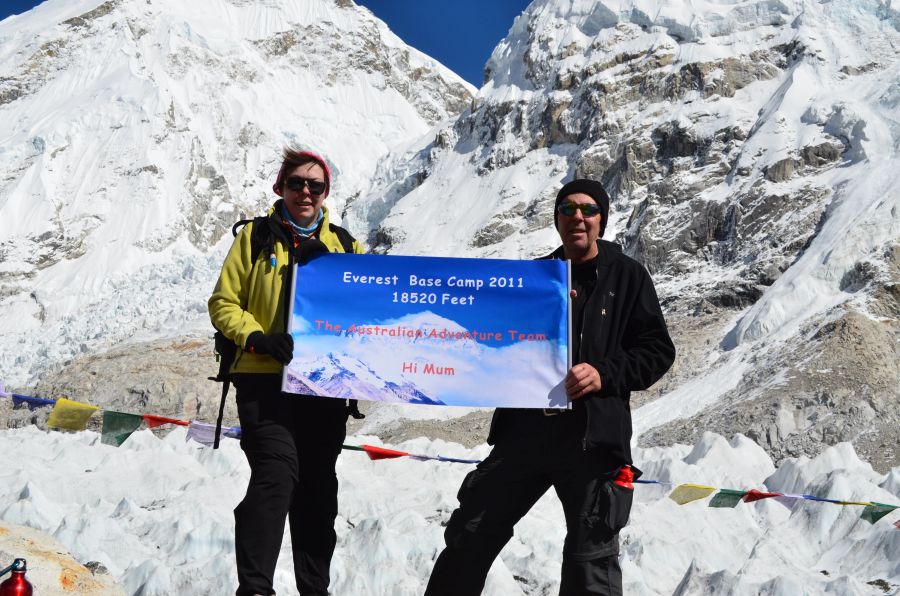
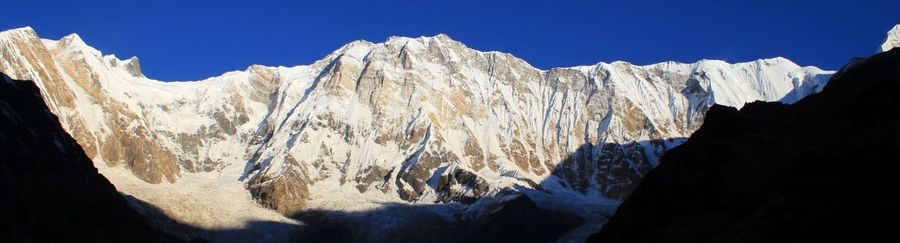
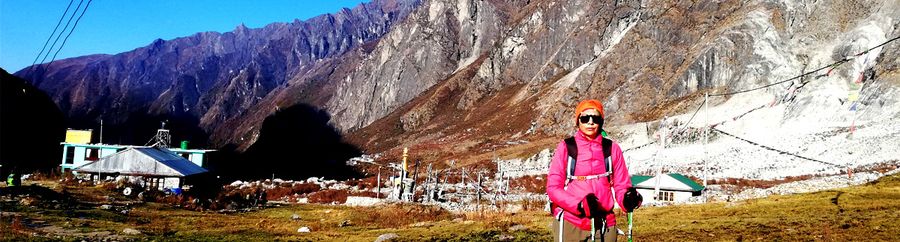

Two clear windows a year: October to November for washed post-monsoon air, March to April for expedition season energy. Winter is cold but astonishingly clear; monsoon is a flight lottery.
October to November and March to April are the two windows worth planning around. There is no flight to gamble on, which makes the quiet months kinder here than in the Khumbu, but the avalanche corridor above Deurali is what decides winter.
The longest usable season of any trek on this list, because the highest point is 3,210m and nothing here closes for winter. March and April for the rhododendron, October and November for the clear air, and December to February when the high routes have shut.
The closest big trek to Kathmandu, and the one where the road matters more than the weather. October to November and March to May are the windows. The valley was rebuilt after the 2015 earthquake, and the teahouses along it are run by the families who did the rebuilding.
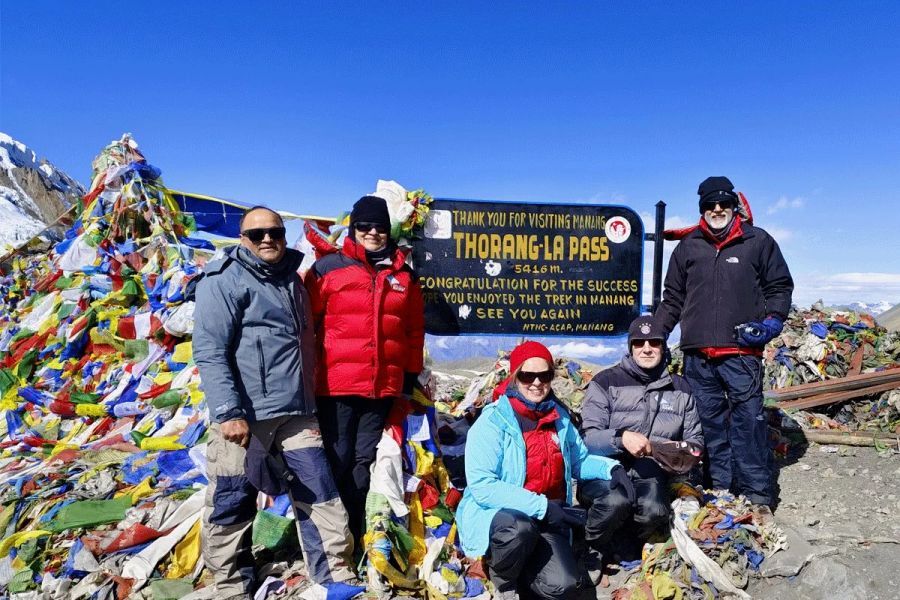
One question decides this trek: whether Thorong La at 5,416m is crossable. October and April answer it best. The circuit also crosses into the rain shadow beyond Manang, which makes its monsoon drier than anywhere else in the Annapurnas and its winter colder than anywhere else in this list.
Two windows a year: April to May and October to November, when the headwall holds good ice and the Base Camp acclimatization does its job. Winter is a cold-experienced climb only; monsoon is off.
October to November is the best window, April to May a strong second; winter suits the cold-proof in a settled spell, and the monsoon months are for planning the climb, not attempting it.
Permits close. Weather windows narrow. The best Everest region teahouse beds fill by October, and spring season opens again in March. Our Kathmandu team is already booking for autumn. If you have been planning a trek, this is the window.