Best Time · Kanchenjunga Base Camp

Kanchenjunga Base Camp Trek in September

Shoulder seasonThe monsoon tail: a wet start and a clearer finish as the autumn window opens
12-15°C
Daytimeat Ghunsa
-4 to 0°C
Overnightat Pangpema
11-16 days
Rain / Snowdays with precipitation
Quiet
Trail Trafficvisibility improving
Kanchenjunga Base Camp, the year at a glance

September opens as a monsoon month and closes as the first month of the autumn window. Early in the month the trail is still very wet, and by the last ten days the air typically starts to clear. Lhonak nights fall to about minus 4 to 0°C as the season turns. Late September rates far better than early September.

Weather by altitude

September temperatures, valley to high camp

WaypointElevation Day Night
Ghunsa3,415m12 to 15°C5 to 8°C
Khambachen4,145m10 to 14°C0 to 4°C
Lhonak4,792m7 to 11°C-4 to 0°C
Pangpema5,143m5 to 9°C-6 to -2°C

September is a month of two halves, and the figures average them. Lhonak is back to freezing and below, three or four degrees colder than in August, a sign that the warm monsoon air is gone from the high ground. Ghunsa at 5 to 8°C overnight is still mild. The eleven to sixteen wet days fall mostly early in the month, and once the monsoon withdraws, usually around the end of the month, the sky clears fast, the streams drop and the first mountain views of the season appear.

On the trail

Trail conditions in September

The first half of September walks like August. The lower trail from Sekathum through Amjilosa and Gyabla is still very wet, as the tour notes describe for the monsoon, and the forest is thick and green. By the later weeks the same path is drier underfoot, the streams have dropped, and the walk to Ghunsa feels like a different route.

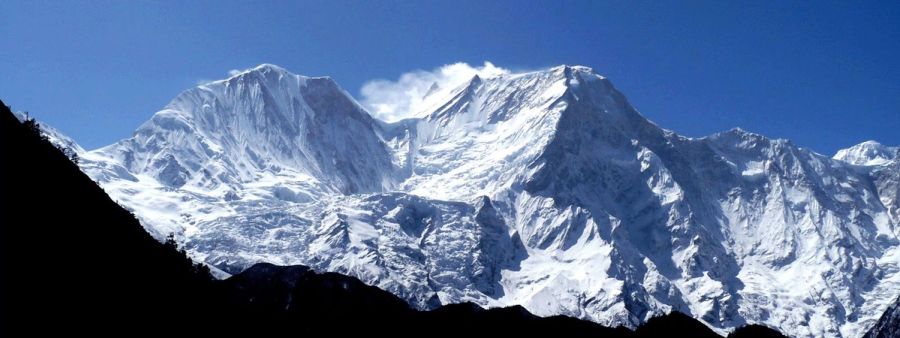
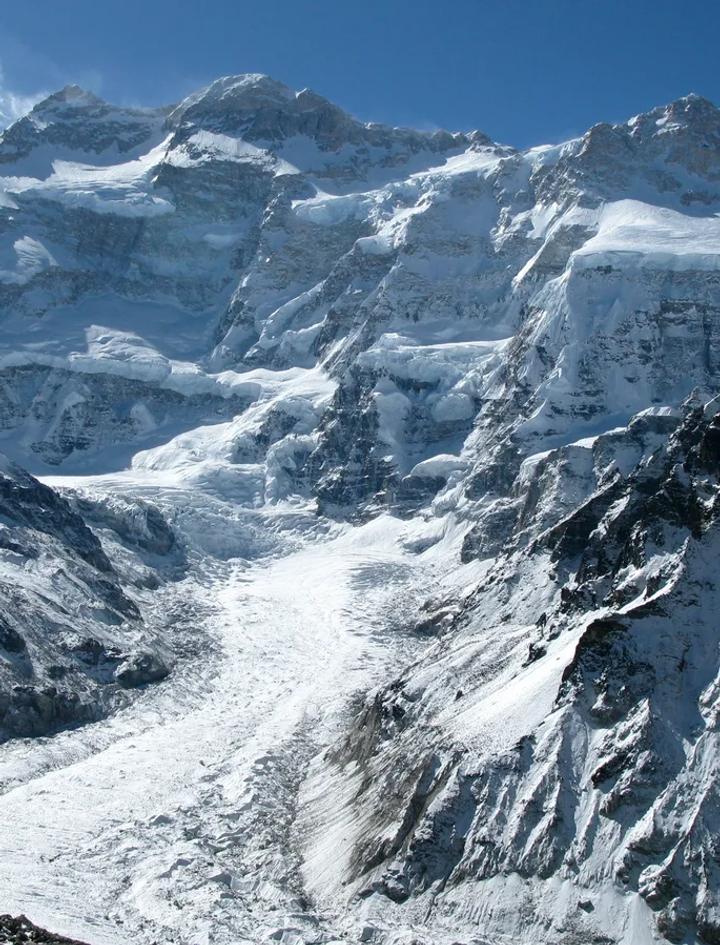
The northern valley rewards a late September departure. Khambachen, Lhonak and Pangpema sit under skies that begin to clear, and a clear morning above the glacier gives the first real look of the season at an 8,586m mountain, the third-highest in the world. The three nights above 4,000m are cooler than in July, but not yet the deep cold of November.

Day 14 depends on the sky again. The three passes are easier to read once the monsoon has gone, and the descent to Tseram at 3,870m is calmer. Oktang on day 15 is the last piece of the route, and it is a better prospect on a clear late-September morning than in any month before it.
Crowds & teahouses

Who else is up there

September is still quiet. The first autumn trekkers arrive late in the month, but on a route this remote the effect is small, and most teahouses will have few guests. The quiet and the simplicity above Tseram are part of the package.

As autumn begins, more of the route’s season starts to come together. Even so, infrastructure above 3,000m is limited, and a flexible attitude to arrival times serves better than a fixed one.

Getting in & out

Flights, roads and logistics

Access follows the sky. In early September the road days are still exposed to monsoon rain on the run to Taplejung and the drive to Sekathum. After the monsoon withdraws, the same roads settle, and the flight leg to the eastern lowlands becomes more reliable. Keep two spare days if your dates fall in the first half of the month, and one if they fall in the last.

Pack for September

What changes this month

Frequently asked

September questions

Nepal trekking season 2026

Some mountains
don't wait

Permits close. Weather windows narrow. The best Everest region teahouse beds fill by October, and spring season opens again in March. Our Kathmandu team is already booking for autumn. If you have been planning a trek, this is the window.

TAAN & NTB certified15 years on these trailsResponse within 2 hours