Trail conditions in February
February is the month to read the day table as a pattern of cold climbs and warm descents. Ghunsa to Khambachen gains 730m, Khambachen to Lhonak gains a further 647m, and the Pangpema out and back reaches 351m above the Lhonak bed. Then day 12 gives it all back: 1,377m of descent to Ghunsa in six hours, ending at a bed about eight degrees warmer than the one you left. Winter trekkers have good reason to look forward to that day.
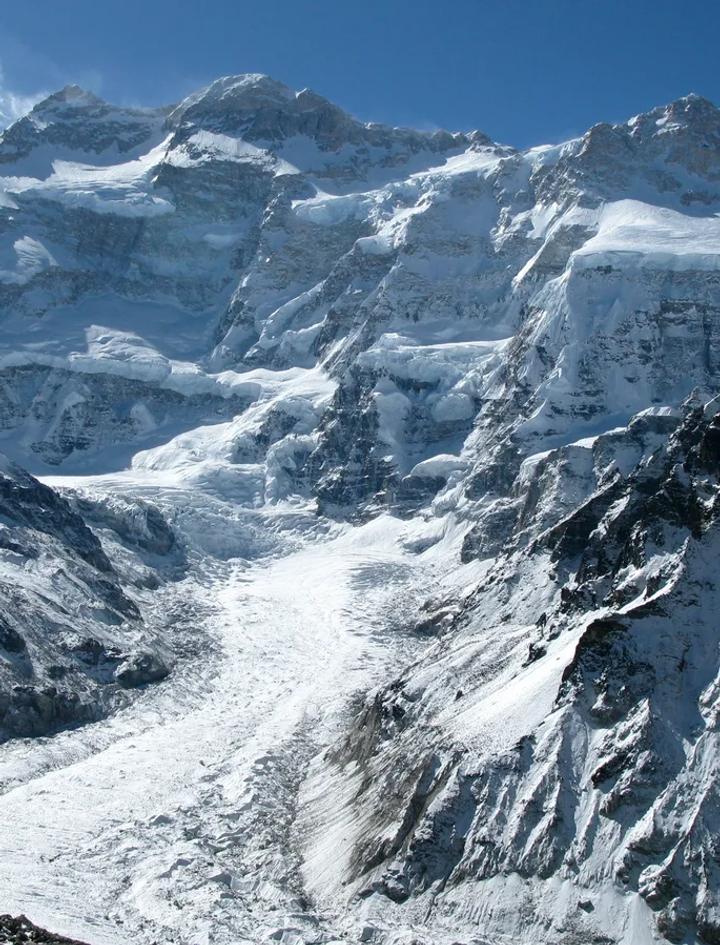
Snow is the open question. Falls from the deep-winter weeks linger on shaded slopes between Khambachen and Lhonak, where the sun arrives late, and the seven hours of the Pangpema day grow or shrink with the surface underfoot. A guide who has walked the valley recently is worth more than any forecast in this month, and the restricted-area rules make a licensed guide mandatory anyway.
Days 13 and 14 are the southern test. From Sele Le Base Camp the route crosses three passes and drops to Tseram at 3,870m. A hard February frost can leave the ground firm and quick, while a fresh fall slows everything. After that the trek flatters you: Tseram to Ramche at 4,580m and up to Oktang at 4,740m is an 870m gain from the Tseram bed, and by then your body has had two weeks to get ready for it.