Best Time · Kanchenjunga Base Camp

Kanchenjunga Base Camp Trek in May

Good conditionsSpring’s warmest month, with the last of the bloom and cloud building by late month
12-16°C
Daytimeat Ghunsa
-7 to -2°C
Overnightat Pangpema
9-13 days
Rain / Snowdays with precipitation
Quiet
Trail Trafficvisibility fair
Kanchenjunga Base Camp, the year at a glance

May is the warmest month before the monsoon, with Ghunsa days of 12 to 16°C and Lhonak nights near minus 7 to minus 2°C. The tour notes pair April and May for rhododendron and warmer weather. Moisture climbs steadily, so mornings carry the views and afternoons carry the cloud. Early May is the stronger half, before the build toward June’s pattern.

Weather by altitude

May temperatures, valley to high camp

WaypointElevation Day Night
Ghunsa3,415m12 to 16°C2 to 6°C
Khambachen4,145m9 to 14°C-3 to 2°C
Lhonak4,792m6 to 11°C-7 to -2°C
Pangpema5,143m4 to 9°C-9 to -4°C

May is the gentlest month for the body and the thinnest for the view. Ghunsa nights at 2 to 6°C make the rest day the easiest of the spring, and Lhonak at minus 7 to minus 2°C is not extreme. The cost is visibility: nine to thirteen precipitation days means cloud at the edge of most afternoons, and by the final week the pattern starts to look like early monsoon. Think of May as two halves. The first behaves like April with warmer nights, and the last like June without the full rain.

On the trail

Trail conditions in May

The nights are the news in May. Set Lhonak at minus 7 to minus 2°C beside the minus 18 to minus 13°C of January and the difference at the cold end is eleven degrees. That turns the stack of Khambachen, Lhonak and a second Lhonak night from an ordeal into an ordinary high-altitude stretch. The Pangpema day is the same seven hours as always, but the bed at the end of it is as comfortable as it gets before the monsoon.

The forest keeps the late end of the bloom. The tour notes name April and May for rhododendron and warmer weather, and flowering generally runs later with height, so the upper edge of the band near Ghunsa is the likelier place for colour late in the month. Lower down, Gyabla and the Tortong leg on the exit are greener, warmer and wetter than they were in April.

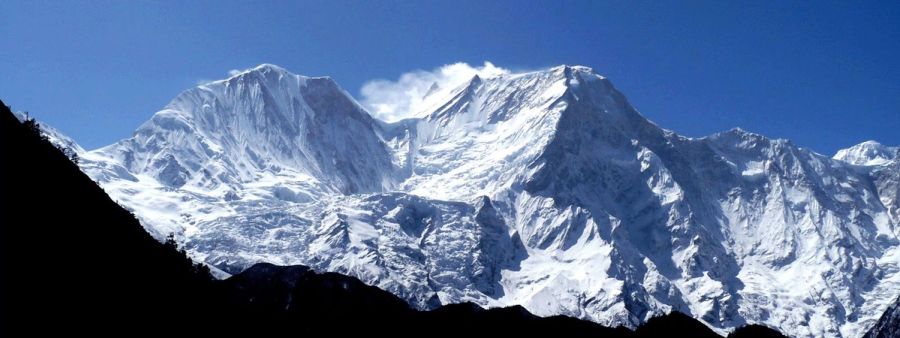
Cloud changes how the pass days feel. A low ceiling over day 14 hides the line and slows the walk more than snow does, so the guide’s morning call turns on visibility and not on depth. Tseram at 3,870m ends the crossing. The Oktang climb on day 15 gets the warmer, longer light, and Jannu at 7,711m shows to the west on a clear morning.
Crowds & teahouses

Who else is up there

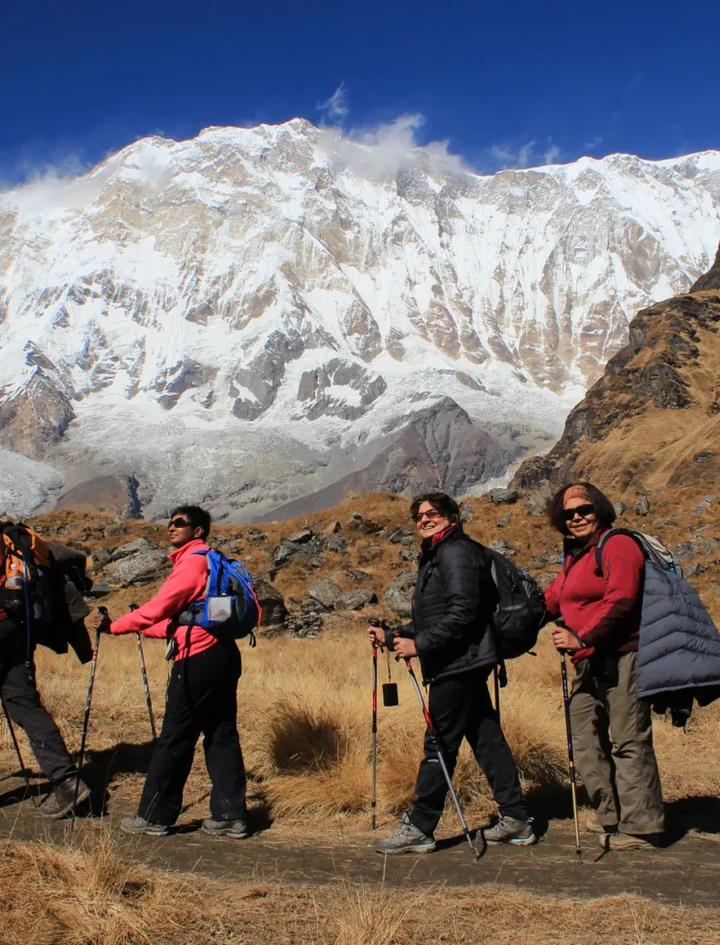
May is quiet. The route’s low numbers hold through spring, and a Ghunsa teahouse on your rest day is likely to hold your group and perhaps one more. The tour notes say you may not see another trekking group for days, and May rarely contradicts that.

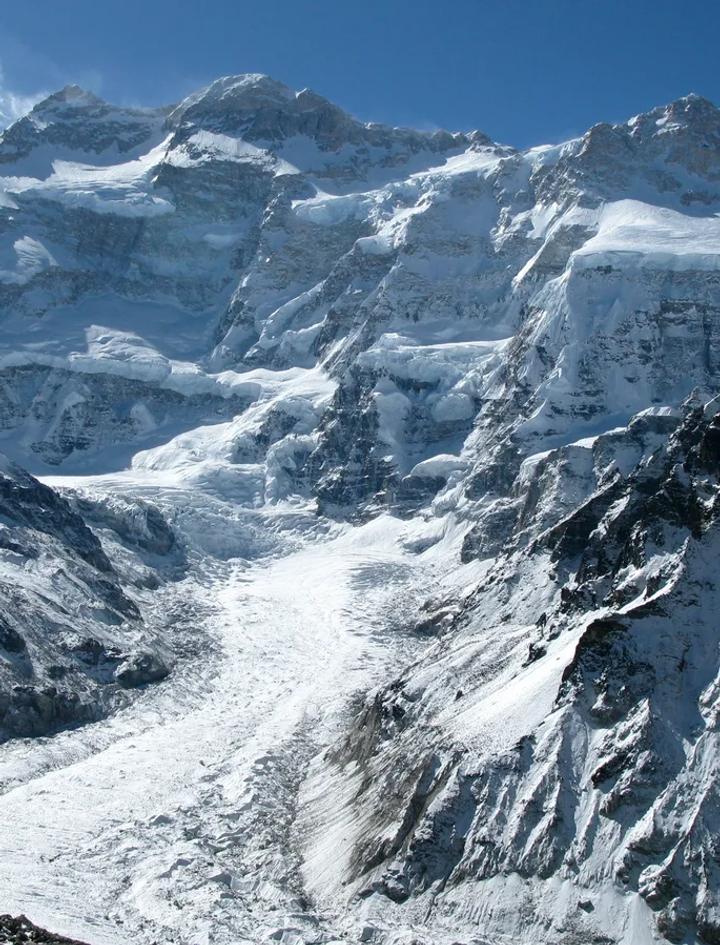
Remote stays remote. Facilities above Tseram are simple, and the slower evacuation noted for this region applies in May as in any other month.

Getting in & out

Flights, roads and logistics

The road days remain workable in May, but hill roads begin to feel the first heavy rain late in the month, so the 249 km run to Taplejung and the 39 km to Sekathum favour an early start. Afternoon cloud builds over the eastern foothills, which makes a morning flight the better pick on the way in and the way out. On day 19 the drive to Kanyam at 1,630m starts the road home, and a spare day beyond day 21 keeps an onward ticket safe.

Pack for May

What changes this month

Frequently asked

May questions

Nepal trekking season 2026

Some mountains
don't wait

Permits close. Weather windows narrow. The best Everest region teahouse beds fill by October, and spring season opens again in March. Our Kathmandu team is already booking for autumn. If you have been planning a trek, this is the window.

TAAN & NTB certified15 years on these trailsResponse within 2 hours