Best Time · Kanchenjunga Base Camp

Kanchenjunga Base Camp Trek in August

Tough seasonMonsoon continues; the same wet trail, with the first hints of change late in the month
14-16°C
Daytimeat Ghunsa
0 to 3°C
Overnightat Pangpema
19-24 days
Rain / Snowdays with precipitation
Quiet
Trail Trafficvisibility poor
Kanchenjunga Base Camp, the year at a glance

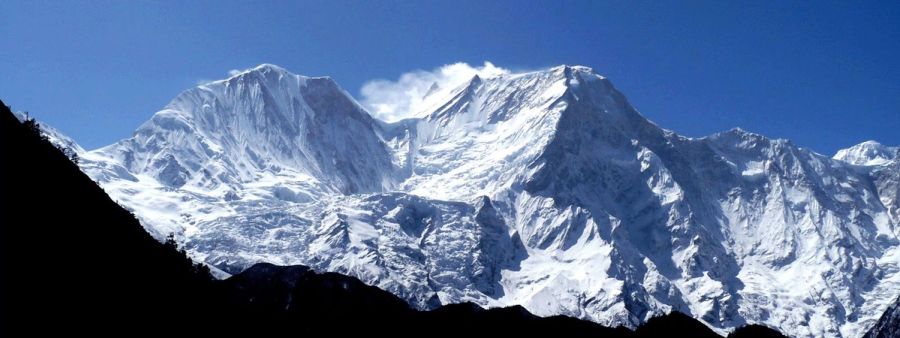
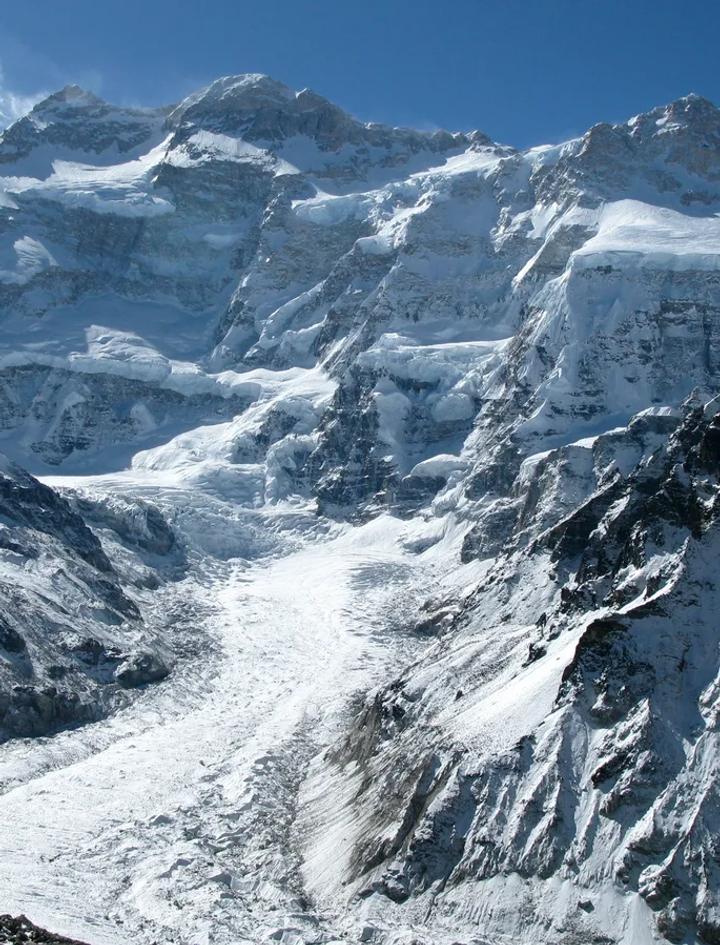
August continues the monsoon, with rain on most days, cloud on the peaks and a trail the tour notes call very wet. Lhonak nights stay mild at about 0 to 3°C, and the Taplejung road remains the main risk. The final week can show the first signs of the season turning, but August as a whole stays a tough month for this trek.

Weather by altitude

August temperatures, valley to high camp

WaypointElevation Day Night
Ghunsa3,415m14 to 16°C7 to 10°C
Khambachen4,145m12 to 15°C3 to 7°C
Lhonak4,792m8 to 12°C0 to 3°C
Pangpema5,143m6 to 10°C-2 to 1°C

On paper August reads almost the same as July, with nineteen to twenty-four wet days in the derived range and nights that stay above freezing as far up as Lhonak. The difference is a slight easing in the second half of the month, when the wettest weeks begin to loosen. The bands are typical still-air ranges, not records, and the real feeling on any day depends on cloud and wind far more than on the thermometer.

On the trail

Trail conditions in August

August is hardest on the legs on the way out. Day 16 drops to Tortong at 2,995m, day 17 loses another 915m to Yamphudin at 2,080m in seven hours, and day 18 adds a further seven hours to Khebang at 1,915m. A 915m descent on wet ground is the day of the trek that most rewards poles and patience. Khebang ends 340m higher than the Sekathum bed of day 4, which is a small fact worth knowing when the legs say otherwise.

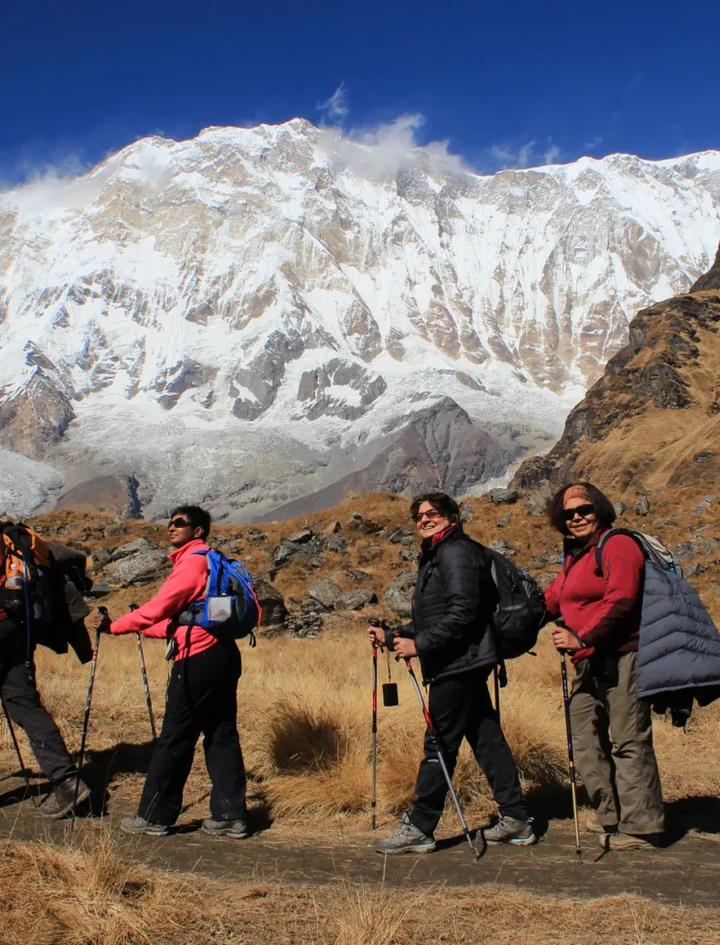
The rhododendron band from 2,500 to 3,500m is in leaf and not in flower, and the northern valley is warm by high-altitude standards but heavy with cloud. The rest day at Ghunsa on day 8 is welcome in a month like this. A clear dawn at Lhonak is a gift and not a plan.

The southern leg is where August needs the most care. Day 13 to Sele Le Base Camp and the passes of day 14 depend on the guide’s read of the sky. Tseram at 3,870m and Oktang at 4,740m on day 15 are both reachable in a clear spell, and neither is worth forcing in cloud.
Crowds & teahouses

Who else is up there

August is nearly empty. Your group is likely to be the only one at most stops. That solitude is real, and so is the simplicity: facilities above Tseram are basic and infrastructure above 3,000m is limited.

In practice the low numbers mean a quiet trail and no competition for beds. They also mean that if the weather turns, nobody else is on the path to share information or help.

Getting in & out

Flights, roads and logistics

The road days again set the risk, and August has two on the way out as well as two on the way in. Day 19 is the drive from Khebang to Kanyam, and day 20 is the drive from Kanyam to the eastern lowlands before the flight to Kathmandu. Rain and slides can delay any of them, and cloud can hold the flight. Spare days at both ends are not optional in August, and an onward ticket should leave room beyond day 21.

Pack for August

What changes this month

Frequently asked

August questions

Nepal trekking season 2026

Some mountains
don't wait

Permits close. Weather windows narrow. The best Everest region teahouse beds fill by October, and spring season opens again in March. Our Kathmandu team is already booking for autumn. If you have been planning a trek, this is the window.

TAAN & NTB certified15 years on these trailsResponse within 2 hours