Best Time · Kanchenjunga Base Camp

Kanchenjunga Base Camp Trek in November

Prime seasonCrisp, clear and colder: the second half of the autumn window, with the passes the main variable
7-10°C
Daytimeat Ghunsa
-15 to -10°C
Overnightat Pangpema
1-3 days
Rain / Snowdays with precipitation
Light
Trail Trafficvisibility excellent
Kanchenjunga Base Camp, the year at a glance

November shares October’s clear views and keeps the trail quiet, but the cold arrives. Lhonak nights fall to about minus 15 to minus 10°C, the three nights above 4,000m feel real, and snow on the passes of day 14 becomes a live possibility late in the month. October or early November is the safer pairing for planning, with late November the colder edge.

Weather by altitude

November temperatures, valley to high camp

WaypointElevation Day Night
Ghunsa3,415m7 to 10°C-5 to -1°C
Khambachen4,145m5 to 9°C-10 to -5°C
Lhonak4,792m1 to 6°C-15 to -10°C
Pangpema5,143m-1 to 4°C-17 to -12°C

Rain and snow fall on only one to three days in the derived range, and the air has a sharp clarity that October cannot quite match. The price is temperature. Ghunsa runs a degree or two below freezing at night, Khambachen drops to minus 10 to minus 5°C, and Lhonak, the coldest bed, reaches minus 15 to minus 10°C. Daytime warmth is still pleasant in the sun, so the feeling on the trail is a wide swing between a warm afternoon and a freezing night, with the figures typical still-air ranges and not records.

On the trail

Trail conditions in November

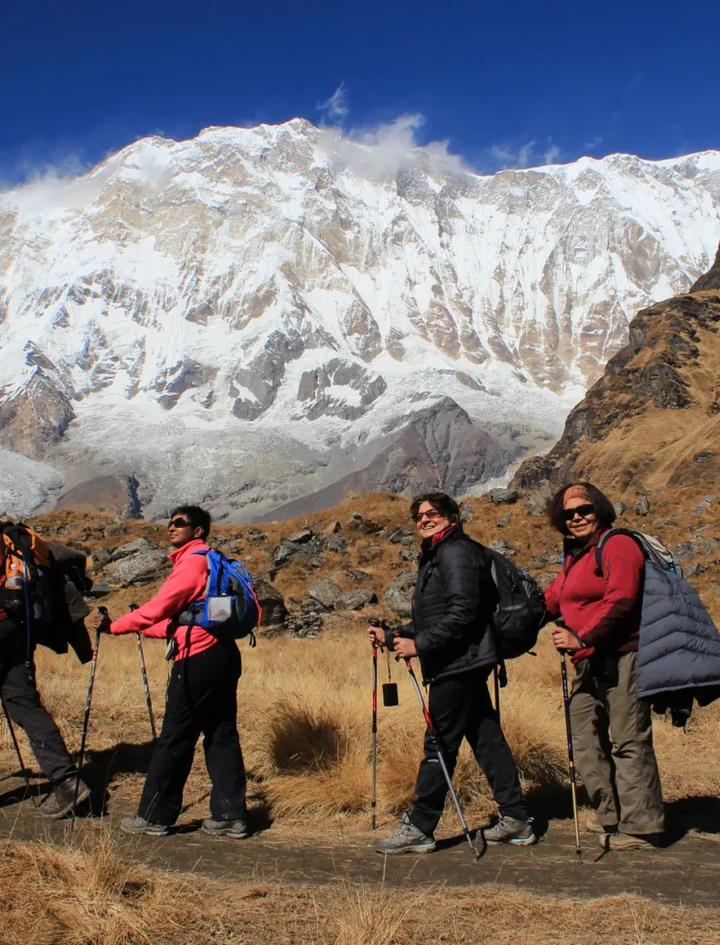
The first week is crisp and clear. The forest between Gyabla and Ghunsa is dry underfoot, the light is low and clean, and the five and six hour days of the early table pass easily. Ghunsa’s rest day on day 8 is both an acclimatisation tool and a chance to learn which layers actually work, before the colder nights ahead.

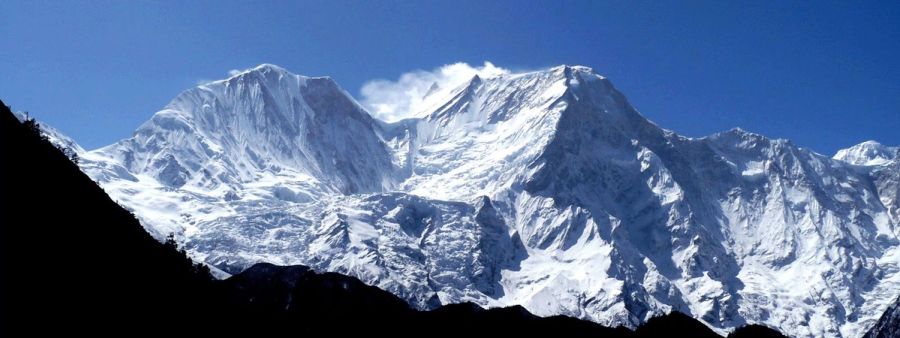
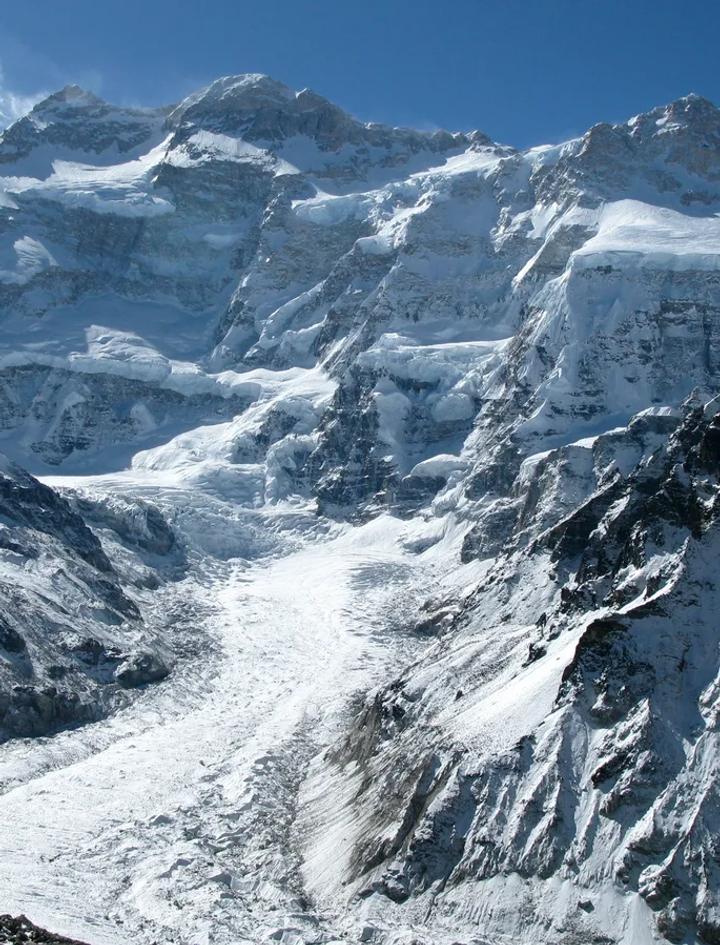
The north side is where November asks for respect. The climb from Khambachen to Lhonak gains 647m, and the second Lhonak night comes after the Pangpema day, in air that feels colder than it did a month earlier. Sunset arrives early, so the seven-hour Pangpema day leaves less margin at its end than it does in October. Pangpema at 5,143m is the highest point of the trek, and the view of the glacier head is as good as the route gives.

The passes need the most thought. Through the first half of the month the crossing of day 14 is close to October’s, and a snowfall late in the month can make the day longer. Tseram at 3,870m is a relief either way, and Oktang at 4,740m on day 15 is usually clear and bright. The descent through Tortong, Yamphudin and Khebang is back into warmer air.
Crowds & teahouses

Who else is up there

November brings only light traffic, even though it is one of the two best months, and the mood is quiet. Expect cold evenings in simple teahouses, early nights, and not much traffic on the trail.

Warm clothing matters more indoors than in October, since rooms above Tseram are simple and the nights are colder. The tour notes’ limited infrastructure above 3,000m is felt most in the cold.

Getting in & out

Flights, roads and logistics

The road days are dry and the flight leg is least exposed to weather. The run to Taplejung on day 3 and the drive to Sekathum on day 4 normally hold their printed hours, and the exit repeats the pattern from Kanyam to the eastern lowlands on day 20. Cold morning fog can still delay a flight, so a spare day in Kathmandu at each end is wise. Book early, because November follows October as the second busy month.

Pack for November

What changes this month

Frequently asked

November questions

Nepal trekking season 2026

Some mountains
don't wait

Permits close. Weather windows narrow. The best Everest region teahouse beds fill by October, and spring season opens again in March. Our Kathmandu team is already booking for autumn. If you have been planning a trek, this is the window.

TAAN & NTB certified15 years on these trailsResponse within 2 hours