Himalayas
50+ guided routes across Nepal, Bhutan, and Tibet.
Certified guides. 15 years on the same trails.
50+ guided routes across Nepal, Bhutan, and Tibet.
Certified guides. 15 years on the same trails.
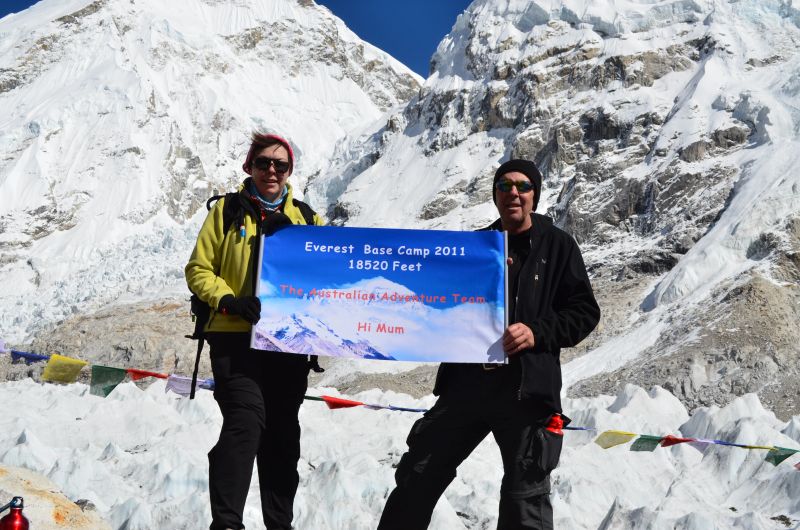
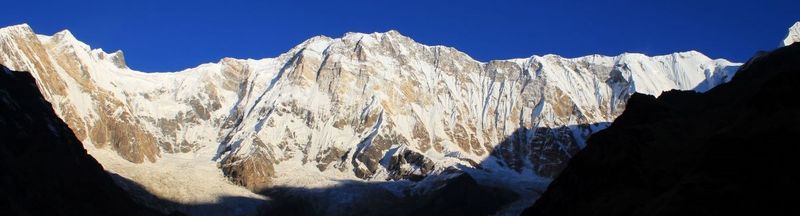
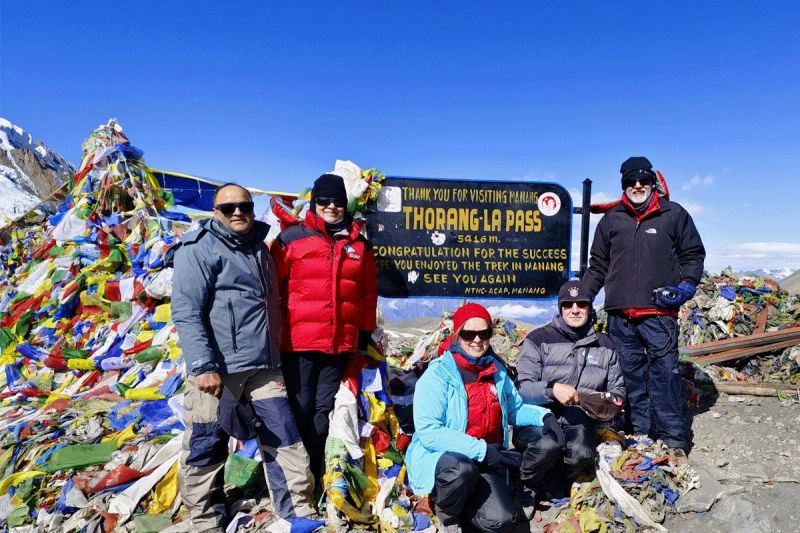
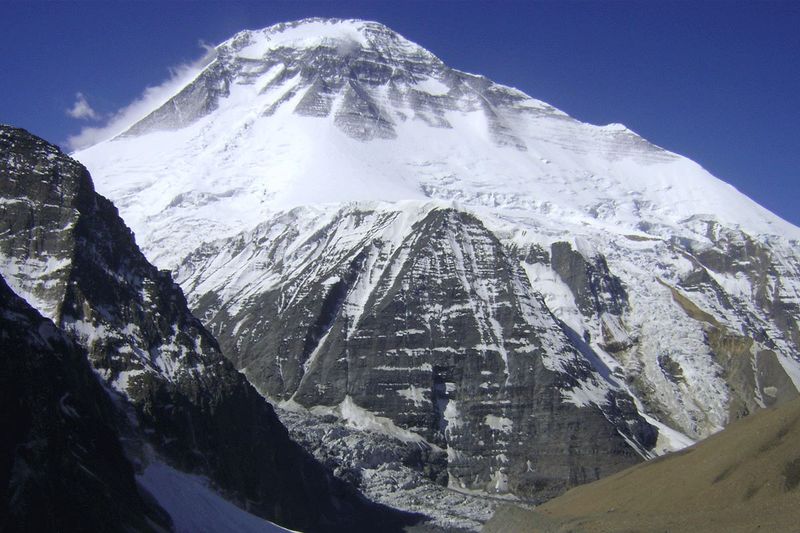
Nepal is home to 8 of the world's 14 peaks above 8,000 metres, including Everest (8,849m), Kangchenjunga, Lhotse, Makalu, and Cho Oyu. From the rhododendron forests that blanket the Annapurna foothills between 2,500m and 3,500m to the glacier passes of the Manaslu Circuit above 5,100m, every trek here crosses terrain found nowhere else on Earth. Nepal's trail network spans five climate zones in a single country, from subtropical jungle in the Terai lowlands to the arctic conditions of the high Himalaya.
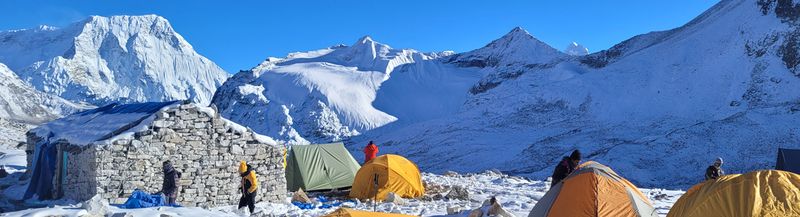
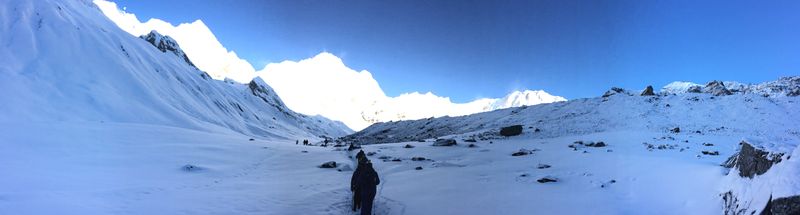
Our guided trekking packages cover seven major regions: the Everest and Khumbu valley (home to Everest Base Camp, Gokyo Lakes, and Three Passes), the Annapurna massif (Circuit, Base Camp, and Mardi Himal), Langtang Valley north of Kathmandu, the restricted Manaslu Circuit, the ancient walled kingdom of Upper Mustang, remote Dolpo near the Tibetan plateau, and the eastern ranges of Makalu and Kanchenjunga. Routes range from 5-day lodge treks to 28-day wilderness expeditions, all with TAAN-licensed guides, permits arranged, porters provided, and small groups of 2 to 12.
Every step in the Himalayas is a conversation between the mountain and the human spirit. The trails do not simply take you somewhere. They change who you are on the way.
Peak trekking seasons are spring (March to May) when hillsides bloom with rhododendron and magnolia, and autumn (September to November) when post-monsoon skies deliver the clearest Himalayan views of the year. Winter treks below 4,000m remain viable for experienced trekkers seeking solitude, and monsoon-season routes in the rain shadow regions of Mustang and Dolpo offer green-season alternatives most operators overlook.
Use the filters below to narrow by region, difficulty, trip duration, or budget.
From gentle valley walks to demanding high passes, filter by region or search by name to find the Himalayan adventure that is right for you.
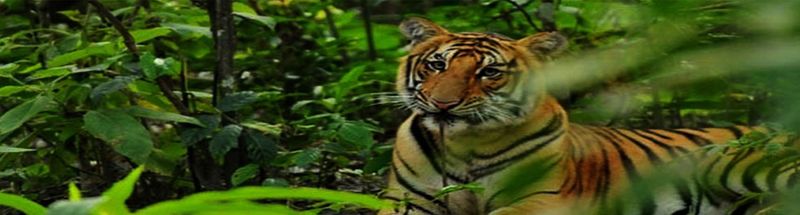
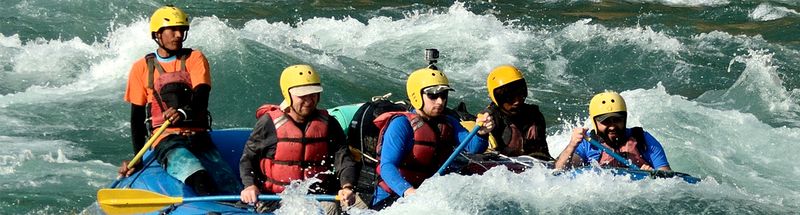
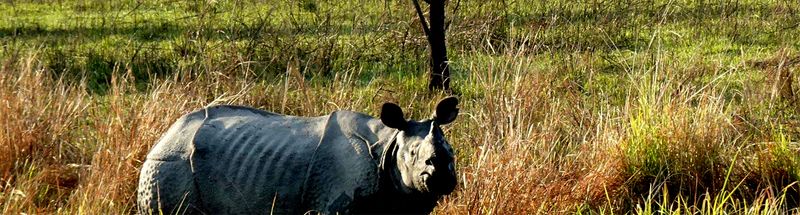
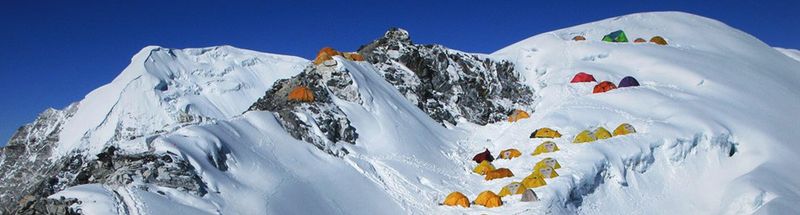
Peak climbing expeditions, jungle safaris, cultural tours, white water rafting, and more. From summit pushes at 6,000m to one-day escapes from Kathmandu.
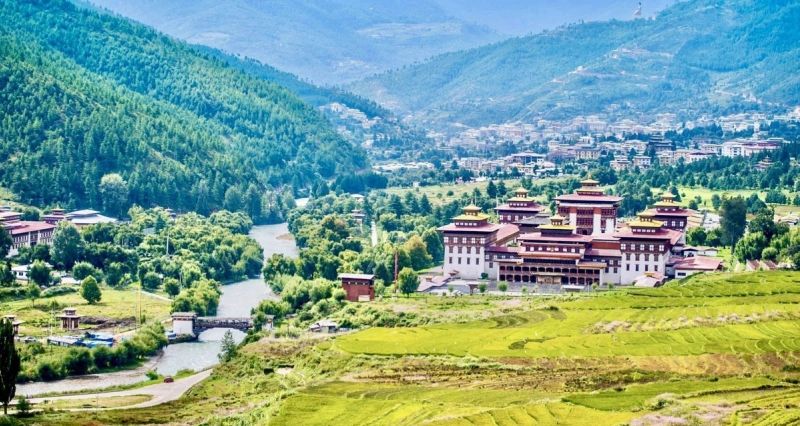
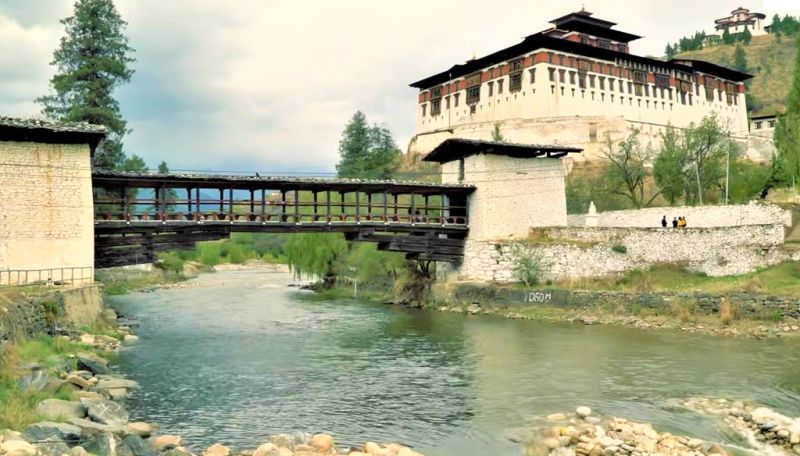
Bhutan is the world's only carbon-negative country and the last standing Buddhist kingdom in the Himalayas. Nestled between Tibet and India, this landlocked nation of 750,000 people measures national success by Gross National Happiness rather than GDP. With 72% forest coverage constitutionally protected and large swathes of wilderness designated as biological corridors, Bhutan's landscapes remain among the most pristine on Earth.
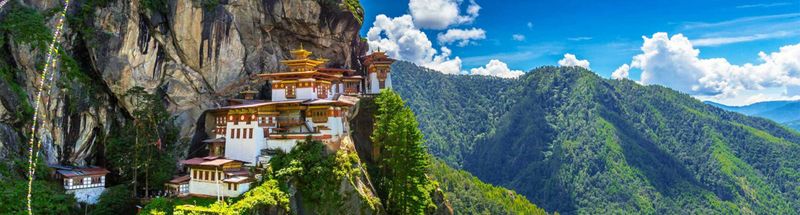
Trekking in Bhutan crosses terrain ranging from subtropical forests at 1,200m to glaciated passes above 5,000m, often without encountering another group for days. The Jomolhari Trek leads to the base of Bhutan's most sacred peak (7,326m), the Druk Path connects Paro to Thimphu across high-altitude lakes, and the Bumthang Valley offers gentle walks through Bhutan's spiritual heartland of ancient temples and apple orchards. Gangkhar Puensum (7,570m), the world's highest unclimbed mountain, towers over the eastern horizon on longer routes.
Every visitor to Bhutan pays a $200 daily Sustainable Development Fee that funds universal free healthcare, free education, and environmental conservation. This policy keeps group sizes small, trails uncrowded, and cultural sites intact. All treks require a licensed Bhutanese guide, and our packages include permits, accommodation, meals, and internal transport between Paro, Thimphu, Punakha, and the eastern dzongkhags.
In Bhutan, the mountains are not obstacles to be conquered. They are sacred beings to be respected. You walk among them as a guest, and they teach you stillness.
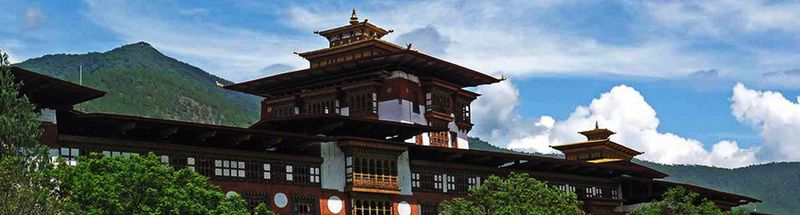
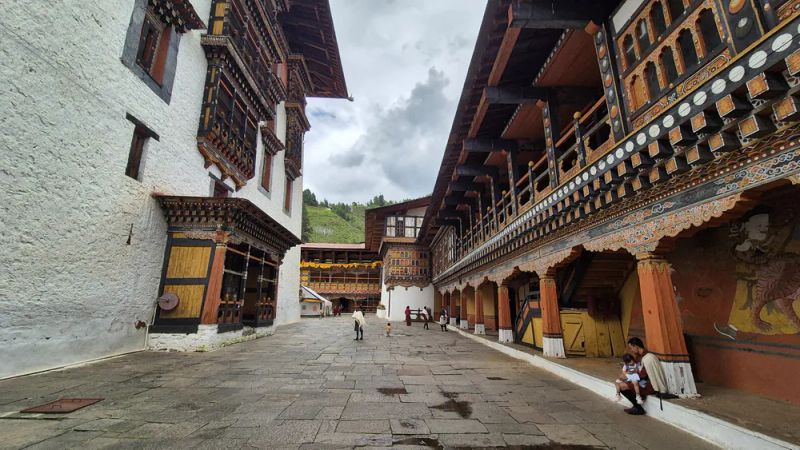
Spring (March to May) brings rhododendron blooms to the valleys and coincides with Paro Tsechu, Bhutan's most celebrated masked dance festival. Autumn (September to November) delivers the clearest mountain views, harvest festivals in the central valleys, and ideal temperatures for multi-day treks. Winter stays sunny but cold at altitude, while monsoon season (June to August) is best spent exploring the lower valleys and dzong architecture between Punakha and Trongsa.
From the sacred base of Jomolhari to the spiritual heartland of Bumthang Valley, discover Bhutan's pristine trails with locally connected guides.
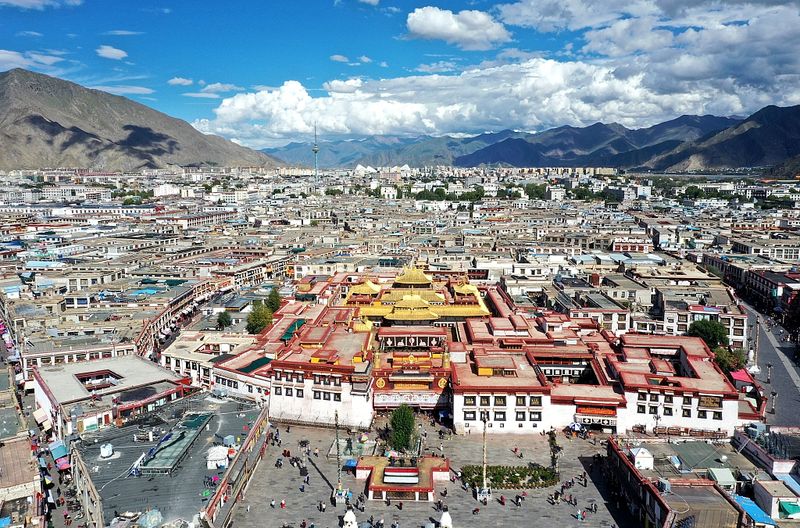
Tibet sits on the highest plateau on Earth, averaging 4,500 metres above sea level across an area larger than Western Europe. Known as the Roof of the World, this vast highland is bordered by the Himalayas to the south, the Kunlun Mountains to the north, and the Karakoram to the west. For centuries, Tibet's remoteness preserved one of the most intact Buddhist cultures anywhere, centred on the golden-roofed monasteries of Lhasa, Shigatse, and Gyantse.
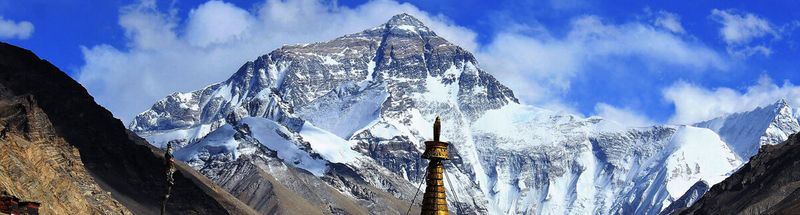
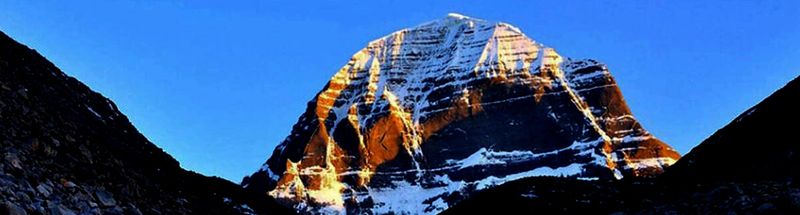
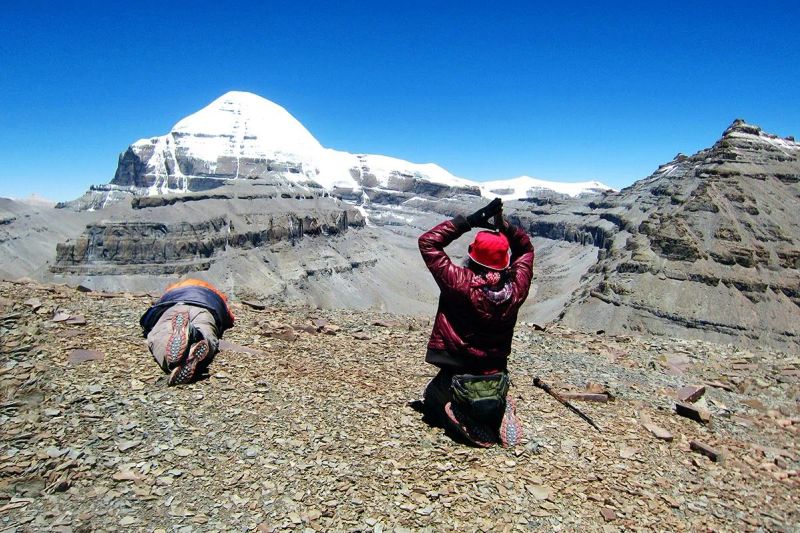
Our Tibet tour packages cover three signature routes: the Lhasa Cultural Tour through the Potala Palace, Jokhang Temple, Sera Monastery, and the Barkhor pilgrimage circuit; the Kailash Mansarovar Yatra, a sacred 52km kora around Mount Kailash (6,638m) crossing Dolma La Pass at 5,630m; and the Everest Base Camp Overland approach from the north, driving across the Tibetan plateau to the dramatic north face of Everest at 5,200m. All routes require a Tibet Travel Permit, which we arrange as part of every package.
Tibet is accessed overland from Kathmandu via the Friendship Highway or by flight from Kathmandu, Chengdu, or Beijing to Lhasa Gonggar Airport (3,570m). Acclimatization is essential at these altitudes, and our itineraries build in rest days at progressively higher elevations. Group sizes are kept small (2 to 10), and every tour includes a licensed Tibetan guide, a support vehicle, accommodation in vetted guesthouses and hotels, and all monastery entrance fees.
At 4,500 metres, the sky turns a shade of blue that does not exist at sea level. The plateau strips everything away until all that remains is the land, the light, and your own breathing.
Spring (April to June) is the prime window as the plateau warms, permit offices open, and roads to western Tibet become passable after winter. Autumn (September to October) brings golden grasslands, crystal-clear visibility, and comfortable daytime temperatures before winter sets in. The monsoon (July to August) brings rain to the eastern plateau but leaves the western Kailash corridor largely dry. Winter closes most high-altitude routes, though Lhasa itself remains accessible year-round with significantly fewer visitors.
From the golden rooftops of Lhasa to the sacred slopes of Mount Kailash, experience Tibet's timeless culture and towering landscapes.
Permits close. Weather windows narrow. The best Everest region teahouse beds fill by October, and spring season opens again in March. Our Kathmandu team is already booking for autumn. If you have been planning a trek, this is the window.