Day 1 drives from Kathmandu to the Nepal-Tibet border at Rasuwagadhi, then on to Kerung at 2,800m after immigration and a guide handover on the Tibetan side. Kerung has carried the Nepal-Tibet road traffic since the old Zhangmu crossing closed in 2015, and it is the only land border between the two countries open to tour groups. Day 2 is a rest day at Kerung, built in before the group climbs higher, since the stretch that follows runs well above 4,000m for a week straight. Day 3 continues to Saga at 4,350m over the Ghungtang La pass, with the Brahmaputra river running alongside the road for part of the drive. This is a kailash mansarovar yatra overland in the plain sense: every leg from the border to Kailash and back is driven, not flown, and the kailash mansarovar yatra via kerung road is the one Nepal-based operators use for the whole distance. Read the full kailash mansarovar yatra itinerary below for the day by day; the pattern is drive, arrive, sleep, with the rest day placed before the altitude rather than after it. A kailash mansarovar yatra from kathmandu by this road is the shortest land approach there is.
Day 4 covers the longest drive of the trip, Saga to Mansarovar over the Dongba Mayum La pass. This is where the group gets its first sight of both Mount Kailash and Lake Mansarovar together, usually in the afternoon. Day 5 opens with a holy bath and a guided puja at the lake shore before the drive on to Darchen. We do not include a walk around the lake on this itinerary: the day at Mansarovar is a bath and a puja, not a circuit of the shoreline, and pilgrims who want that separate trip should ask us directly rather than assume it is part of this package.
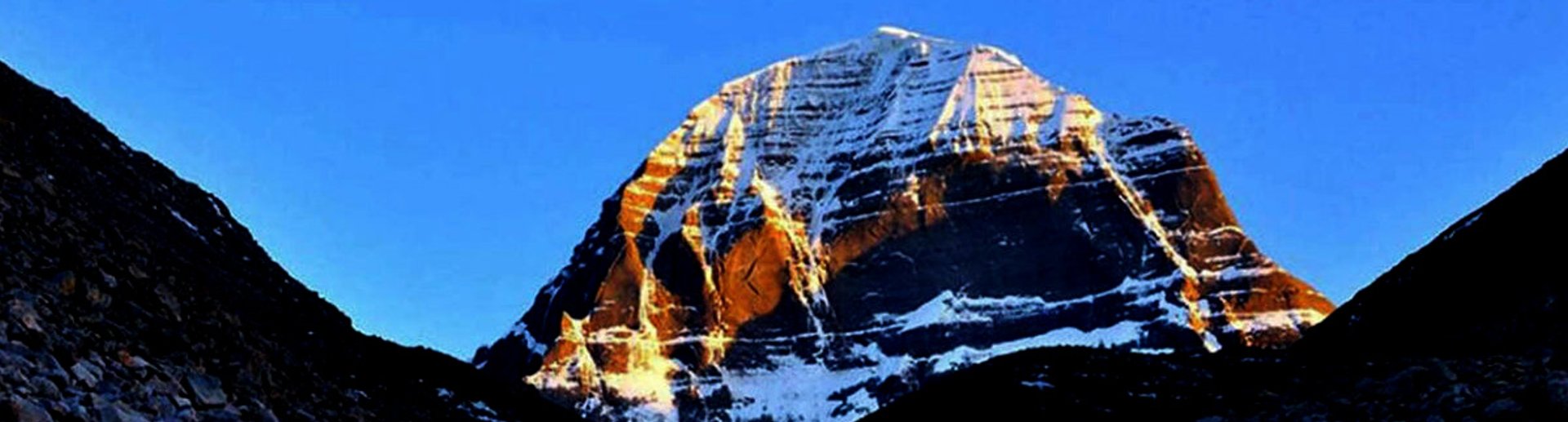
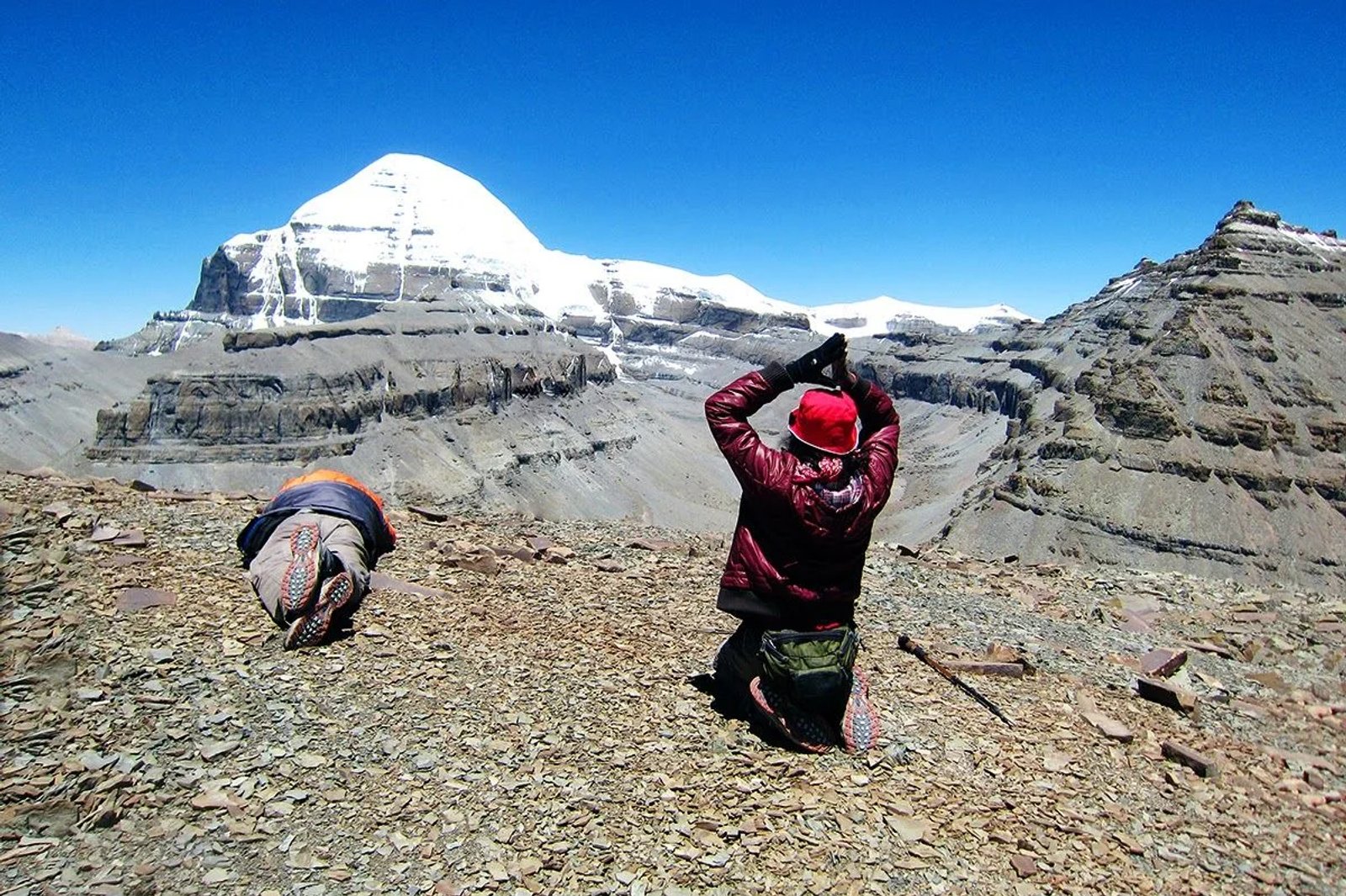
Darchen sits at 4,670m and is the base for the kora, the three-day walk around Mount Kailash. The kailash kora 3 days route climbs from Darchen through Dirapuk and over Dolma La before dropping to Zuthulpuk and back to the road, about 52 km over three days in total. Dolma La, at 5,630m, is the highest point of the circuit and the highest altitude anyone reaches on this trip. The route passes Gauri Kunda, a small lake pilgrims see from the trail on the climb to the pass.
Days 8 to 10 retrace the route back to Kathmandu. The hiking on day 8 ends after about two hours of walking, and the group returns to Saga, then Kerung, then crosses back through Rasuwagadhi to Kathmandu on day 10. On the ground, the tour runs with a government-licensed English-speaking Tibetan guide, a Japanese Land Cruiser and a support truck, and our own Nepali staff supporting the group from the Kathmandu end. Mountain Hawk Trek is a kailash mansarovar yatra tour operator nepal travelers can reach directly, since the same office plans the Kathmandu legs and the Tibet side of the trip.
Our price for this trip is USD 1,975 per person, and it covers the guide, vehicles, staff, permits, visa and accommodation listed in the includes on this page; see our cost guide for how that figure sits against other route options. We arrange the Tibet travel permit and the Chinese group visa in Kathmandu as part of the package, and you do not apply for either yourself; our trekking permits guide covers how Nepal-side permits generally work, and our permit cost article breaks down the Tibet-side fees in more detail.
For a kailash mansarovar yatra for indian citizens, the route and the price are the same, but the visa step is not: Chinese group visa handling for Indian passport holders has shifted with government advisories, most recently the Indian Ministry of External Affairs advisory dated 27 June 2026. Confirm your visa handling with us in writing before you pay a deposit; do not assume the standard group visa process described above applies to your passport until we have confirmed it for your specific booking. Our Nepal-vs-India route comparison covers the fuller picture for Indian travelers weighing this route against the government route.
If you want Lhasa itself, a fly-in start and a slower acclimatization profile, our 15 day tour via Lhasa covers the same Kailash and Mansarovar route with Lhasa's monasteries added at the front of the trip, at a higher price. For travelers who want Lhasa on its own, without the kora, our Best of Lhasa Tour is a separate product built around the city and its monasteries.
We rate this trip Strenuous, and the difficulty guide explains what that rating covers day by day, from the altitude at Kerung to the walking on the kora. The best time to go is May to September; outside that window the passes and roads are less reliable. Altitude sickness is a real risk once you are above Saga on this route, and our altitude sickness guide covers the symptoms and what to do about them before you fly to Kathmandu.
2026 is a Fire Horse year in the Tibetan calendar, and Tibetan Buddhist tradition holds that a single kora completed during a Fire Horse year carries the merit of 13 ordinary koras; the last Fire Horse year was 1966. Saga Dawa, the festival marking the Buddha's birth, enlightenment and death, falls on Sunday 31 May 2026, and pilgrim numbers around Kailash rise sharply that week. Kailash and Mansarovar hold meaning across four traditions: Hindus hold Kailash as the abode of Shiva and Mansarovar as connected to Brahma, Buddhists know the mountain as Kang Rinpoche, Jains call it Mount Ashtapada and connect it to the founding of their faith, and Bon practitioners, followers of Tibet's pre-Buddhist religion, regard it as the seat of spiritual power for their tradition.