
- How hard is the Kailash Mansarovar Yatra, actually
- The kora, three days on foot around the mountain
- Dolma La Pass: the crux of the yatra
- Altitude sickness, and what helps
- Training for the yatra: what three months of preparation looks like
- Age limits and medical fitness: what we require instead of a certificate
- Pony, porter, or your own two feet
- Via Lhasa or overland via Kerung: which suits a first-timer
- Does the season change the difficulty
- Who this trip suits
- FAQ
Mountain Hawk Trek rates the Kailash Mansarovar Yatra Strenuous on both of our departures, the 10-day overland tour and the 15-day route via Lhasa. That label covers a specific kind of hard. Nobody needs rope skills or a mountaineering background to finish this pilgrimage. What breaks people is altitude, stacked over three days of walking that peaks at the Dolma La Pass, 5,630m, the highest point most pilgrims will ever stand on their own two feet.
This article works through the kora day by day, the pass itself, what altitude does to a body that isn't ready for it, and how the route you choose shapes your odds before you even reach Darchen. For the price behind either departure, our Kailash Mansarovar Yatra cost guide covers that ground instead.
How hard is the Kailash Mansarovar Yatra, actually
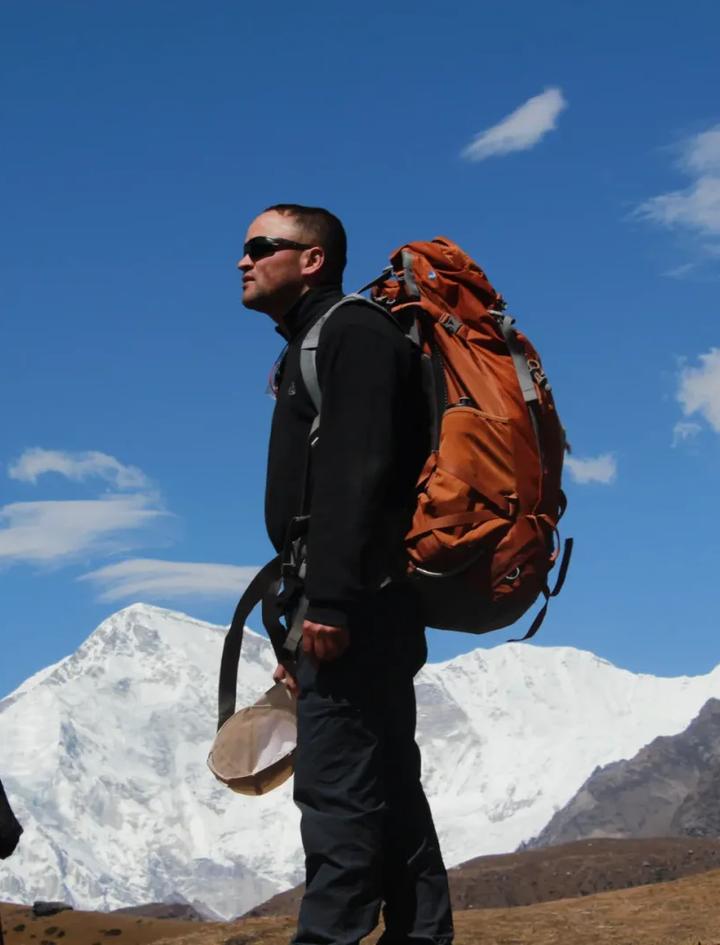
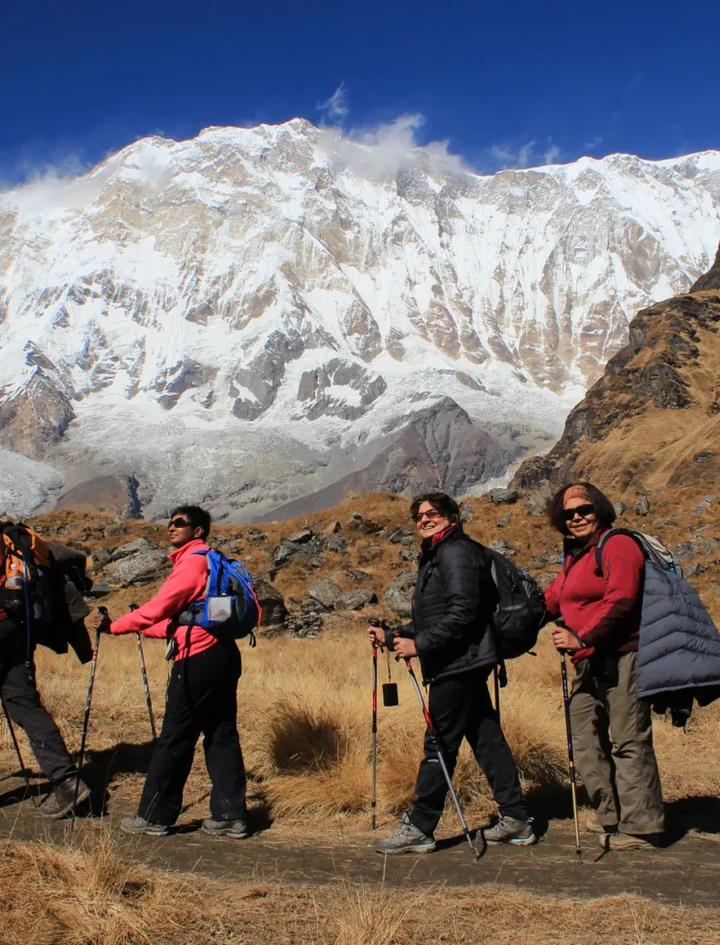
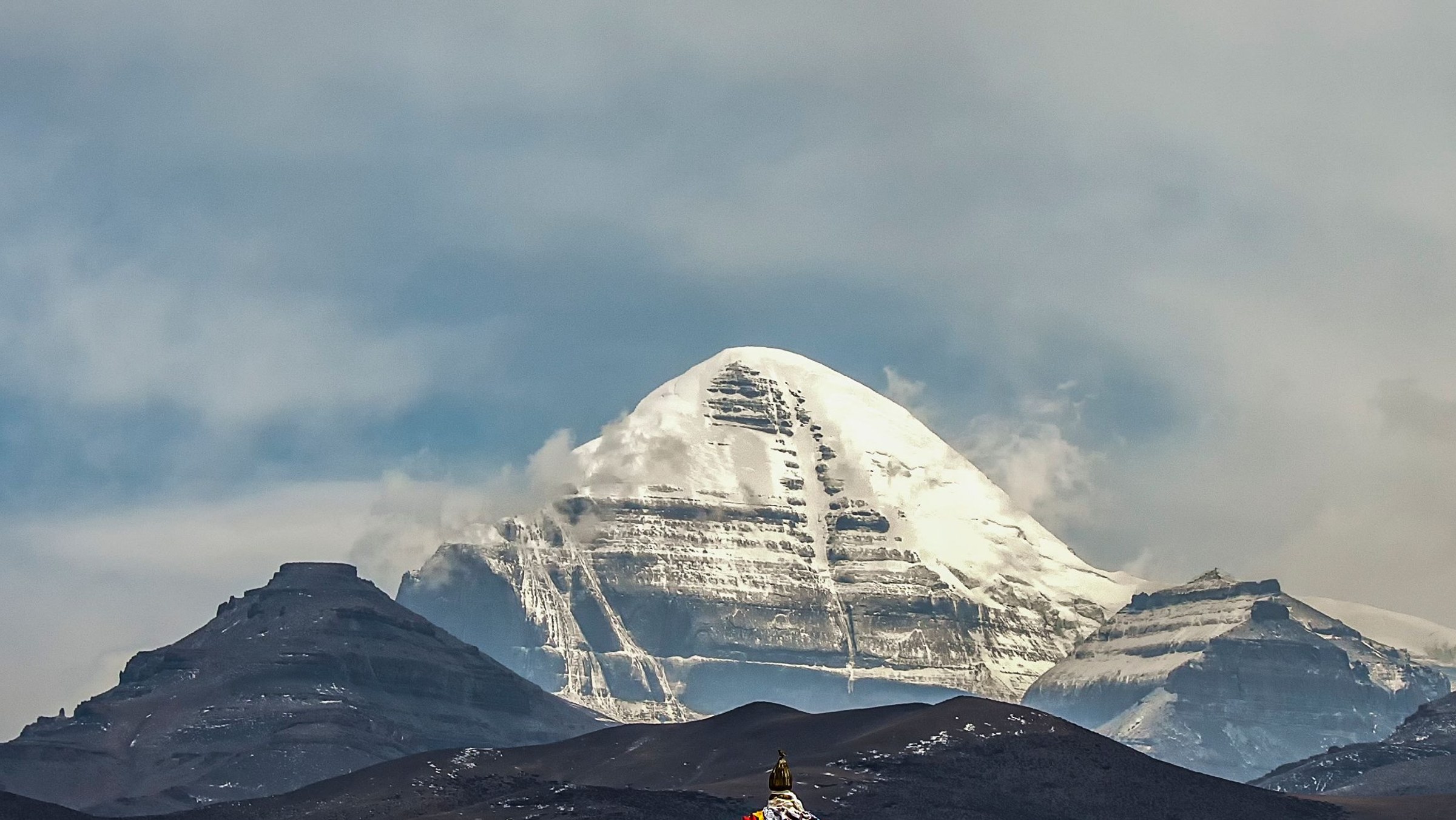
Start with what this pilgrimage is not. It is not a technical climb. Mount Kailash itself, 6,638m, has never been climbed and is not meant to be; pilgrims circle it on foot, they do not summit it. The trail on the kora is a defined path the whole way, wide enough in most places for pack animals, and it requires no rope work, no crampons, no prior climbing experience of any kind.
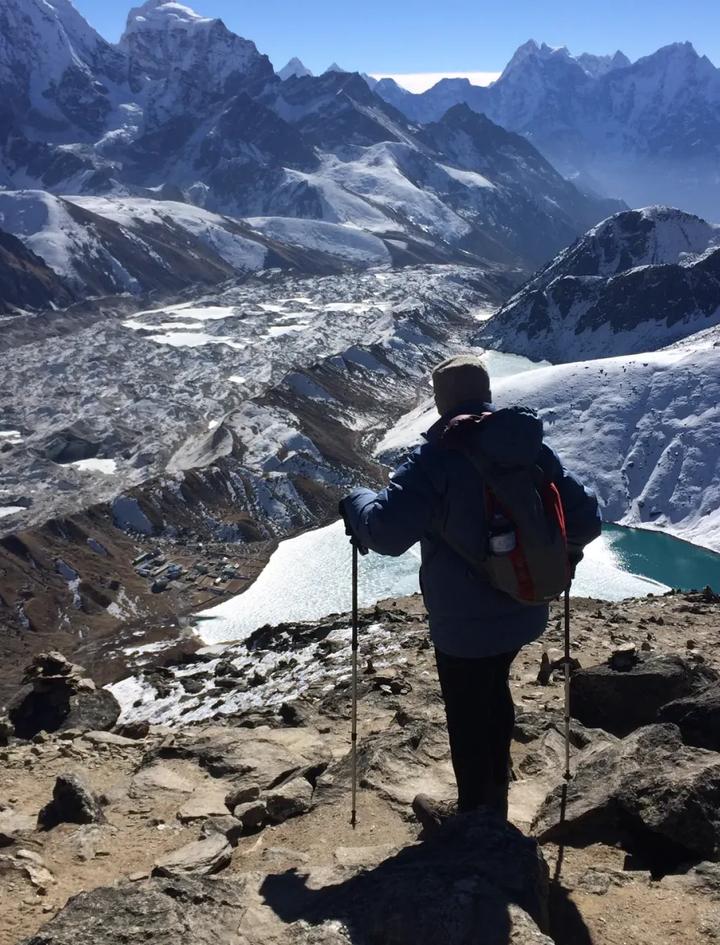
What makes the yatra hard is a combination that shows up nowhere on a map: three days of sustained walking above 4,500m, capped by a single pass day that runs seven to ten hours depending on conditions and pace. Fit, well-prepared trekkers who have done a demanding multi-day trek before usually find the walking itself manageable. What catches people off guard is how much the altitude changes what "manageable" feels like. A pace that would be easy at sea level turns into a slow, deliberate shuffle above 5,000m, and that adjustment alone surprises first-timers more than the distance does.
Some operator pages rate the yatra around eight or nine out of ten on a general difficulty scale. Treat that as one company's shorthand, not an agreed standard; no shared industry scale exists behind it. What matters more than a number is the shape of the challenge: long days, thin air, and very little that can be rushed.
The kora, three days on foot around the mountain
The kora is a 52km loop around Mount Kailash, walked over three days by nearly every pilgrim who reaches Darchen, whether they arrive on the overland route or the one via Lhasa. It starts and ends at Darchen, 4,670m, and the three days break down roughly as 18 to 20km, 16 to 18km, and 10 to 14km, shifting slightly by season, snow, and how much of the middle stretch a group rides versus walks.
Day one runs from Darchen to Dirapuk, a long approach that gains altitude steadily rather than sharply, past Tarboche and the Chuku Monastery, with the north face of Kailash visible for most of the afternoon. It takes most groups five to eight hours, and it is the easiest of the three days by a wide margin.
Day two is the pass day, covered in full below, and it is the one that decides how the rest of the yatra feels.
Day three drops from Zuthulpuk back to Darchen, shorter and lower than the previous two days. Legs are tired by this point. The terrain stays gentle the whole way down.
Dolma La Pass: the crux of the yatra
Dolma La sits at 5,630m, the highest point of the kora and the highest most pilgrims will ever stand under their own power. Crossing it is day two, and every operator on this route starts before sunrise, while the ground is still frozen and the gravel underfoot is more stable than it will be once the sun softens it.
From Dirapuk, the ascent climbs roughly 550m over several hours of steep, loose ground. Competitor guides commonly call the steepest stretch, a few kilometers of gravel and scree near the top, the hardest walking on the entire route. The air at the summit of the pass carries close to half the oxygen available at sea level, and that thinness is what turns a moderate incline into the hardest hour most pilgrims will spend on the whole trip.
The descent on the far side is longer than the climb and just as demanding: steep, jarring on the knees, and long enough that fatigue becomes its own hazard by the final kilometers. Ascent and descent combined typically run eight to ten hours, tent to tent, before the day even ends at Zuthulpuk.
Prayer flags mark the summit of the pass, tied by pilgrims who made it that far, layers of them from years of yatras stacked on top of each other in the wind.
Altitude sickness, and what helps
Most of the yatra sits above 4,500m, and nearly everyone feels it somewhere: a headache that arrives with the afternoon, sleep that stays shallow, an appetite that shrinks. That is normal and expected, fitness or no fitness. What matters is catching the difference between ordinary altitude discomfort and something that needs a lower elevation immediately.
Figures for how many pilgrims develop real acute mountain sickness circulate widely online, some sources citing rates as high as a third of travelers on certain approaches. These numbers are commonly cited by operators but rarely traced to a study anyone can point to, so treat them as a general sense of risk rather than a hard statistic. What is not in dispute is the mechanism: thinner air, faster ascent, and less time to adjust all raise the odds, and Kailash's pass day compresses all three into a single push that few other treks in Nepal or Tibet ask of a traveler in one day.
Prevention is not complicated. Drink more water than feels necessary. Avoid alcohol entirely during the kora. Move at the pace your body sets, not the pace of the group ahead of you. Report symptoms early rather than pushing through them, because early symptoms are easy to manage and late ones are not. Our Everest Base Camp altitude sickness guide covers the mechanics of AMS, HAPE, and HACE in more depth, and most of what applies there applies here too.
Training for the yatra: what three months of preparation looks like
Three to four months of preparation is the safe minimum most experienced trekkers recommend, and it is enough time to build the kind of stamina Dolma La demands. Start smaller than feels necessary. Thirty minutes of brisk walking most days in month one builds a base that later training stacks on top of.
By month two, stretch those walks into one to two hours, and start adding uneven terrain: hills, stairs, anything that isn't flat pavement. By month three, aim for one long hike each week, two to four hours, wearing the boots you plan to trek in and carrying a daypack loaded to 5 to 7kg. The goal by departure is being able to walk four to five hours on hilly ground without the effort feeling like a fight.
Cardio work on the days between hikes, walking, cycling, swimming, whatever holds interest, matters as much as the hikes themselves. So does basic strength training for the legs and core, since carrying your own weight uphill for hours is a strength task as much as an endurance one. None of this needs a gym membership or a personal trainer. Consistency over months matters more than any single hard session.
Age limits and medical fitness: what we require instead of a certificate
India's government route to Kailash, run through the Ministry of External Affairs, requires a formal medical screening before departure: a Treadmill Test for cardiac fitness, blood pressure and blood sugar checks, and sign-off from ITBP doctors in New Delhi. That process exists because the route allocates a fixed number of seats by lottery and needs one standard way to clear every applicant.
Mountain Hawk Trek runs the private route from Nepal, and that route carries no government screening step. We do not administer medical tests, and no operator running this route through Nepal does either. What we require instead is simpler: talk to your own doctor before booking, especially if you manage diabetes, high blood pressure, or a heart condition, and carry travel insurance rated for altitude above 6,000m with evacuation named in the policy text.
That distinction matters beyond paperwork. A government fitness certificate tells an operator you passed a test months before departure, on a day nowhere near the mountain. It says nothing about how your body handles 5,630m on the actual morning you cross Dolma La. A doctor who knows your history, and a policy that pays for a real evacuation if something goes wrong, protect you better than a stamped form ever could.
Pony, porter, or your own two feet
Every pilgrim on the kora chooses, at Darchen, how much of it to walk. A pony and horseman for the full three days costs roughly CNY 2,500 to 4,500, close to USD 350 to 630, arranged only in Darchen itself and paid in cash, since card machines do not reach this part of the plateau. A porter carrying a daypack, capped at 5kg, runs CNY 1,300 to 1,500 for the same three days, roughly USD 180 to 210. Both prices are expected to run higher in 2026, a Fire Horse Year that is already pushing demand up across the route.
The limit that catches people off guard: a pony only goes as far as the top of Dolma La. From there, everyone descends on foot, hired horse or not. There is no way to ride the descent, and no way to ride day three either. Hiring a pony changes the ascent. It does not change the pass.
For pilgrims managing a knee injury, recovering from illness, or simply older and less certain of their stamina, a pony for the ascent is a real way to finish the kora rather than a shortcut to feel guilty about. For everyone else, walking the full three days is the more common choice, and most trekkers who have done a demanding multi-day hike before manage it without needing the option at all.
Via Lhasa or overland via Kerung: which suits a first-timer
Two different routes get pilgrims to Kailash from Nepal, and each one hands a first-timer a different altitude problem to solve. The 15-day route via Lhasa flies from Kathmandu straight into Lhasa at 3,650m, then holds the group there for two full days before driving west. The 10-day overland route skips the flight and climbs by road instead, crossing at Rasuwagadhi into Kerung and gaining altitude steadily over several driving days before reaching the Kailash region.
Both routes work. They ask different things of a body that has never been this high before.
Flying into Lhasa is a bigger single jump, from sea level or near it straight to 3,650m in a few hours, but the two rest days there are built specifically to absorb that jump before the group pushes higher. It suits a first-timer who wants a defined acclimatization block with real beds and a city to explore, and who would rather adjust to altitude early while still close to proper medical care.
The overland route through Kerung avoids that single big jump. Altitude climbs in stages over the drive, smaller gains day after day rather than one sudden one. That gradual profile suits travelers who already know how their own body handles altitude and would rather spend the extra days moving toward Kailash than resting in Lhasa.
For a genuine first-timer, someone who has never spent a night above 3,000m before, we lean toward the Lhasa route. Two full days of rest at a fixed, moderate altitude, with a doctor reachable if something feels wrong early, is a gentler introduction than a week of steady climbing on the road with fewer places to stop and reassess. It costs more and takes five extra days. For a body doing this for the first time, that extra cost buys real margin.
Does the season change the difficulty
The walking distances on the kora do not change by month, but conditions do, and conditions shape how hard those distances feel. The yatra runs May through September.
June opens the peak booking months with the clearest views of the three, before the summer haze arrives. July and August bring Tibet's monsoon, lighter here than in Nepal's own hills but real enough to slicken the gravel on Dolma La and occasionally delay a group by a day. September into early October runs drier and colder, with thinner crowds and firmer footing, though nights close in colder as the season ends.
None of this changes the kora's distance or the pass's altitude. It changes footing, visibility, and how much margin a group has if weather forces a delay. Our best time for the Kailash Mansarovar Yatra guide covers the season question in full, including when to book around Saga Dawa and what this Fire Horse Year has done to demand.
Who this trip suits
Fit adults who have done at least one demanding multi-day trek before, and who commit to real preparation, usually handle the yatra well. That is the core audience, and it is a wide one.
Senior pilgrims complete this route every season, and age alone is not a reason to rule it out. What matters more than the number of candles on a birthday cake is cardiovascular fitness, a realistic training block, and a willingness to hire a pony for the ascent rather than push through pain to prove a point. Some competitor operators push a separate helicopter route from Nepal's far west for older travelers; that is not one of our own products.
First-timers to high altitude benefit most from the Lhasa route and its built-in rest days, discussed above. Anyone managing diabetes, uncontrolled high blood pressure, or a serious heart or lung condition should treat this as a real medical question, not a scheduling one, and get a doctor's answer before booking either departure.
Readers who want a taste of high-altitude pilgrimage without the Tibet crossing at all might look instead at the Muktinath temple pilgrimage inside Nepal, a shorter trip to a different sacred site at a gentler altitude.
None of this is meant to talk anyone out of the yatra. The kora is walked by pilgrims from their twenties into their seventies every season, most of them without a single technical skill beyond the ability to keep walking uphill in thin air. It rewards preparation more than any other trek we run, and it punishes shortcuts more than most too. For what either departure costs once permits, insurance, and kora extras are added in, our Kailash Mansarovar Yatra cost guide has the full breakdown.
FAQ
How hard is the Kailash Mansarovar Yatra?
Mountain Hawk Trek rates the yatra Strenuous on both departures. No technical climbing skill is required, since pilgrims circle Mount Kailash on foot rather than climb it, but the 52km kora above 4,500m, capped by Dolma La at 5,630m, makes sustained altitude exposure the real test.
How difficult is the Dolma La Pass?
Dolma La is the highest point of the kora at 5,630m and the hardest single stretch of the whole yatra. The ascent from Dirapuk climbs roughly 550m over several hours of steep, loose ground, and the descent on the far side is longer and harder on the knees. Most groups need eight to ten hours from tent to tent to cross it.
What is the altitude sickness risk on the Kailash Mansarovar Yatra?
Mild symptoms, headache, fatigue, poor sleep, are close to universal in some degree, since most of the route sits above 4,500m. Figures for how many pilgrims develop more serious acute mountain sickness are commonly cited by operators but rarely traced to a real study, so treat any specific percentage with caution.
Is there an age limit for the Kailash Mansarovar Yatra with Mountain Hawk Trek?
Not on our Nepal route. India's government route enforces a formal age band and a mandatory medical screening, including a Treadmill Test and ITBP sign-off, because it allocates fixed seats by lottery. We run the private route from Nepal instead, and we do not administer medical tests. What we require is a conversation with your own doctor beforehand, especially for diabetes, high blood pressure, or heart conditions, and insurance rated for altitude above 6,000m.
Can I hire a pony or porter for the Kailash Kora?
Yes, arranged at Darchen only and paid in cash. A horse and horseman for the full three days runs roughly CNY 2,500 to 4,500, about USD 350 to 630, and a porter carrying a daypack capped at 5kg runs CNY 1,300 to 1,500, about USD 180 to 210. Ponies stop at the top of the Dolma La Pass, so the descent and the final day are on foot regardless of what you hire.
Which route suits a first-time high-altitude traveler better, via Lhasa or overland?
For someone who has never slept above 3,000m before, the 15-day route via Lhasa is the gentler start. Two full rest days at 3,650m give the body a defined block to adjust before the group drives further west. The 10-day overland route through Kerung climbs more gradually over several days on the road, which suits travelers who already know how their body handles altitude from a previous trek.