Best Time · Kanchenjunga Base Camp

Kanchenjunga Base Camp Trek in June

Tough seasonMonsoon arrives: wet trail, hidden views, and the long road days at risk
13-16°C
Daytimeat Ghunsa
-2 to 2°C
Overnightat Pangpema
16-21 days
Rain / Snowdays with precipitation
Quiet
Trail Trafficvisibility poor
Kanchenjunga Base Camp, the year at a glance

June is the start of the monsoon, and the tour notes say plainly that it makes the lower trail very wet. Nights at Lhonak are mild at about minus 2 to 2°C, but cloud hides the mountains most days, and the 249 km road day to Taplejung becomes the biggest uncertainty. A June trek is for trekkers who accept weather over views.

Weather by altitude

June temperatures, valley to high camp

WaypointElevation Day Night
Ghunsa3,415m13 to 16°C6 to 9°C
Khambachen4,145m11 to 15°C2 to 6°C
Lhonak4,792m8 to 12°C-2 to 2°C
Pangpema5,143m6 to 10°C-4 to 0°C

June flips the usual winter logic: the nights are mild and the problem is water. Ghunsa at 6 to 9°C overnight is a warm bed for 3,415m, and Lhonak hovers around freezing instead of well below it. The figures hide the real difficulty, which is sixteen to twenty-one days with rain or snow, cloud that sits on the ridges for days, and swollen streams. These are derived ranges, set a little wetter than the Khumbu because the monsoon reaches eastern Nepal first.

On the trail

Trail conditions in June

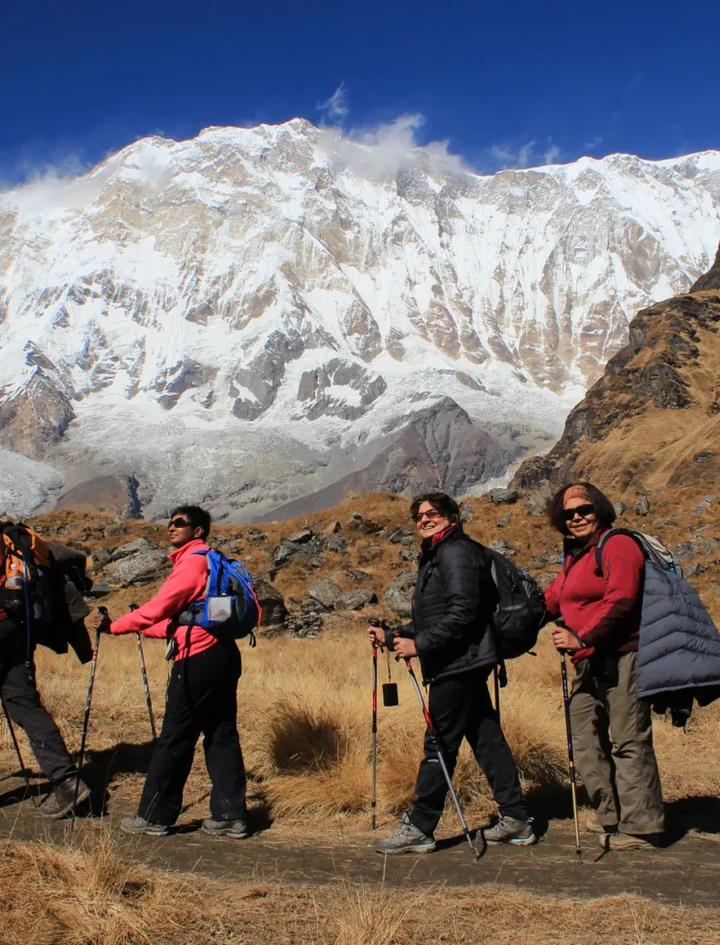
The lower trail is where June is decided. From Sekathum through Amjilosa and Gyabla to Ghunsa, the walk climbs from 1,575m to 3,415m on ground the tour notes call very wet in the monsoon. Rain makes the forest sections slower, the stream crossings more serious and every day longer than the table suggests. Walks of five to six hours on days 5 to 7 drift toward the upper end.

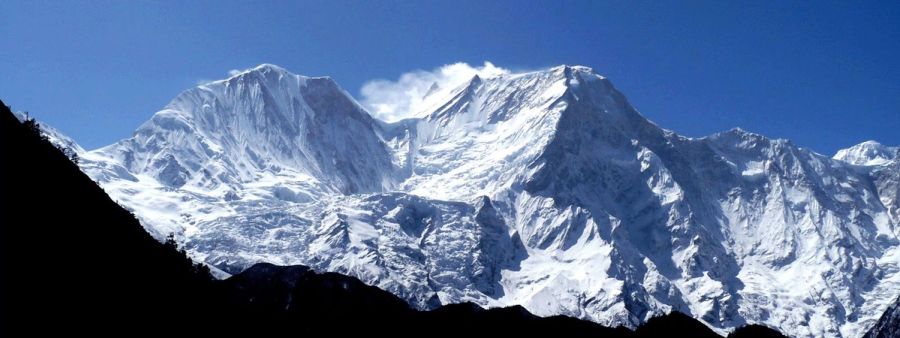
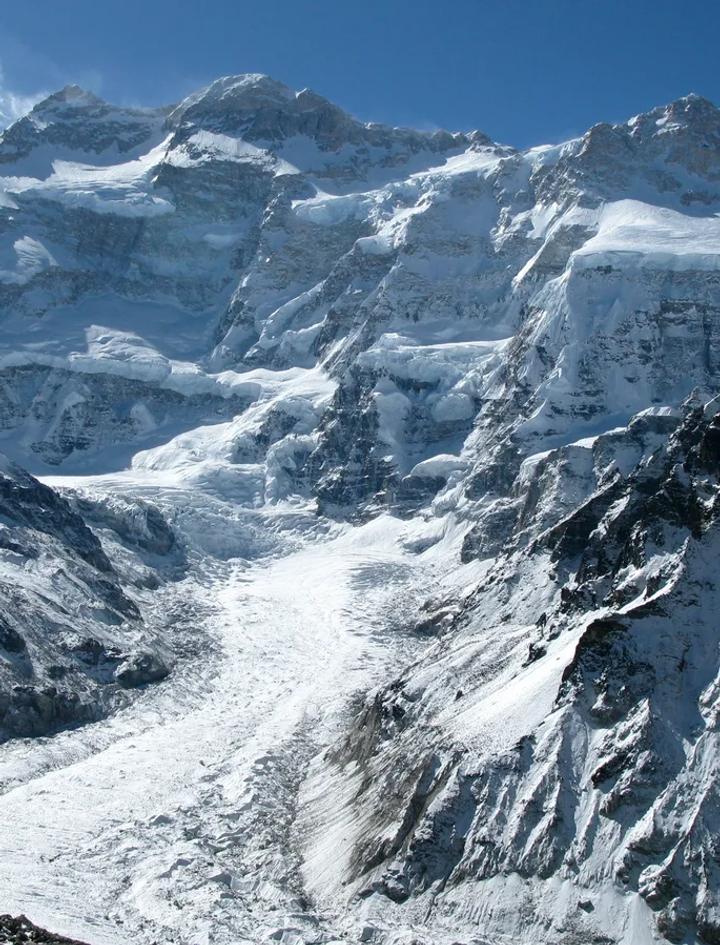
The high ground becomes a waiting game. Khambachen, Lhonak and Pangpema on days 9 to 11 are three nights and a day trip in a valley that spends many mornings in cloud, so a clear view of the mountain is a matter of luck and not of planning. The warm night at Lhonak is a comfort, but the Pangpema day, with its return after seven hours, may be spent walking in mist.

Days 14 and 15 are the weather lottery. Crossing the passes between Sele Le Base Camp and Tseram in rain or low cloud is slow and sometimes unsafe, and the guide’s authority over whether to go counts for more than any schedule. Oktang at 4,740m is the same story: a long walk to a place that may be hidden. Tortong, Yamphudin and Khebang on the way out are wet, steep and slippery.
Crowds & teahouses

Who else is up there

Few trekkers choose June, and most teahouses will hold no other party. The tour notes describe a route with very few visitors even in its best weeks, so a June group is alone at nearly every stop. Facilities above Tseram stay simple, and wet kit and limited drying space are part of the picture.

The same remoteness that makes the trek special adds to the monsoon risk. Help is slow to reach this valley, the tour notes warn that helicopter evacuation takes longer than in better-served regions, and a rainy sky can ground it further.

Getting in & out

Flights, roads and logistics

Access is June’s weak point. Day 3 is 249 km and 8 to 9 hours of road to Taplejung, and day 4 adds 39 km in 5 to 6 hours to Sekathum, both on hill roads that suffer in heavy rain. Delays from slides or washed sections are a real planning risk, as is cloud on the flight leg to the eastern lowlands. Add at least two spare days at the start and end, and do not book an onward ticket close to day 21.

Pack for June

What changes this month

Frequently asked

June questions

Nepal trekking season 2026

Some mountains
don't wait

Permits close. Weather windows narrow. The best Everest region teahouse beds fill by October, and spring season opens again in March. Our Kathmandu team is already booking for autumn. If you have been planning a trek, this is the window.

TAAN & NTB certified15 years on these trailsResponse within 2 hours