Best Time · Kanchenjunga Base Camp

Kanchenjunga Base Camp Trek in July

Tough seasonDeep monsoon: the wettest month, the warmest nights, and views that mostly hide
14-16°C
Daytimeat Ghunsa
0 to 4°C
Overnightat Pangpema
21-26 days
Rain / Snowdays with precipitation
Quiet
Trail Trafficvisibility poor
Kanchenjunga Base Camp, the year at a glance

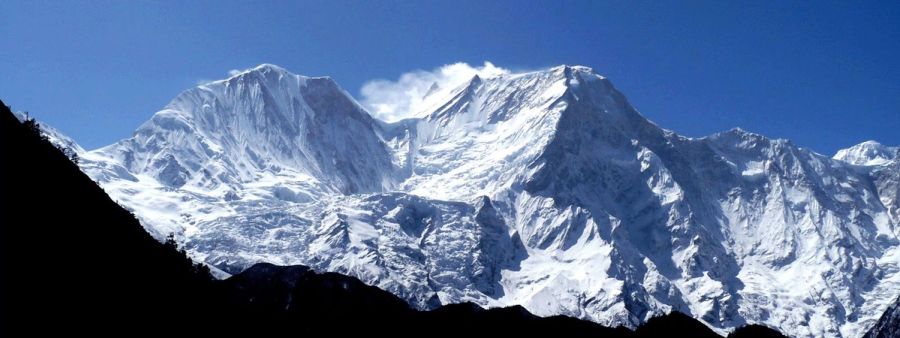
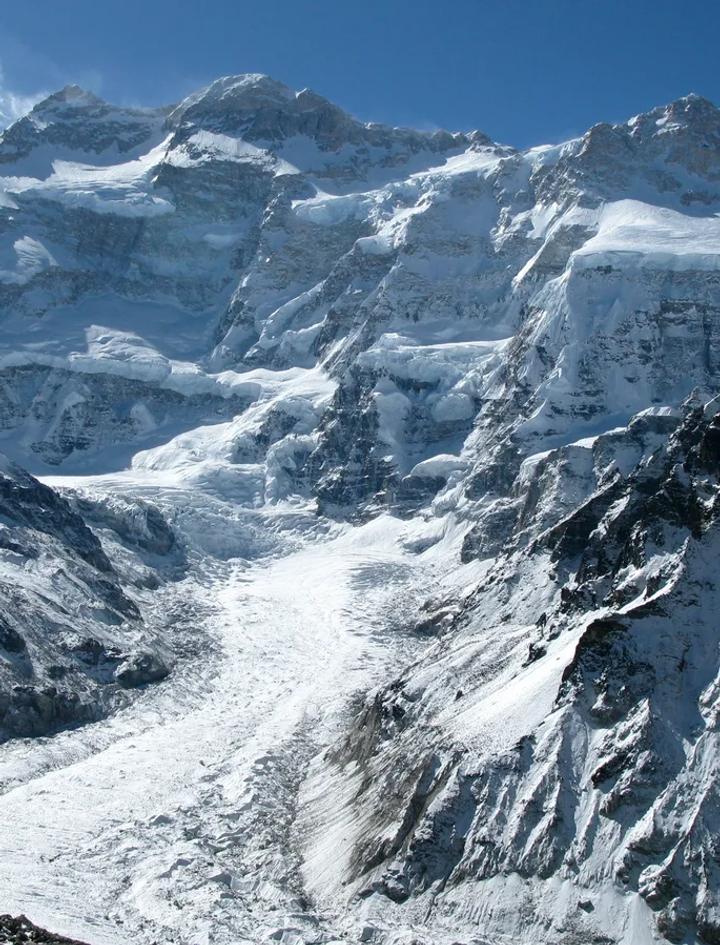
July is the heart of the monsoon and the wettest month on the calendar. Lhonak nights are the mildest of the year at about 0 to 4°C, but rain falls on most days, cloud covers the mountains, and the 249 km road day to Taplejung carries the biggest risk. July only makes sense for this trek when the dates cannot move and the expectations are low.

Weather by altitude

July temperatures, valley to high camp

WaypointElevation Day Night
Ghunsa3,415m14 to 16°C8 to 10°C
Khambachen4,145m12 to 15°C4 to 7°C
Lhonak4,792m9 to 12°C0 to 4°C
Pangpema5,143m7 to 10°C-2 to 2°C

July is the month where warmth stops being the question. The Lhonak range starts at freezing and does not go below it, the first time that is true all year, and Ghunsa at 8 to 10°C is almost mild. What replaces the cold is the count of wet days: twenty-one to twenty-six in the derived range, a little wetter than the Khumbu because the monsoon reaches the east first. With that many days of rain or wet snow, the realistic picture is cloud, running water and short windows. The thermometer is the good news. Everything else is the weather.

On the trail

Trail conditions in July

July is a month of climbing through water. The first week gains 805m from Sekathum at 1,575m to Amjilosa at 2,380m, then 345m to Gyabla at 2,725m and 690m to Ghunsa at 3,415m, and the tour notes’ description of a very wet lower trail applies to every step. Expect mud on forest paths, swollen crossings and slopes that take longer to descend than to climb.

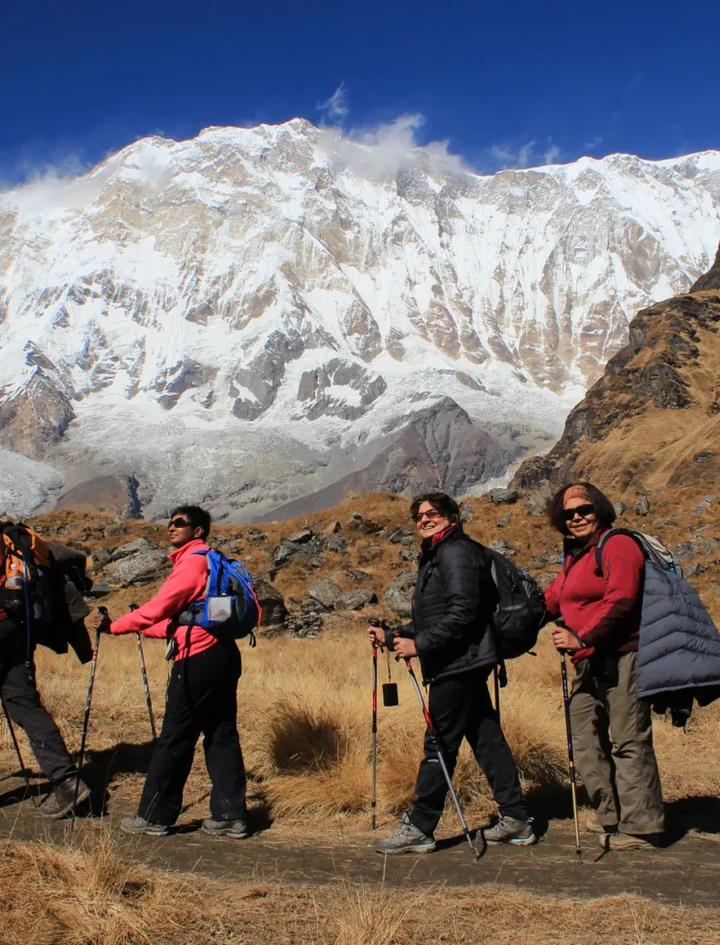
On the high ground, July is a patient month. Khambachen at 4,145m and Lhonak at 4,792m are warm enough to sleep without fear, but the Pangpema day depends on a morning clear enough to see the way. A walk in the monsoon is a walk in cloud with occasional views, and a guide’s weather judgement is worth more than any line of the itinerary.

The decisions about the passes get made at Ghunsa. Day 12 brings you back down 1,377m to the warmest big stop on the route, and from there the choice to go on to Sele Le Base Camp on day 13 can wait for a break in the weather. Rain or mist over the three passes of day 14 makes for a slow, slippery and easily misjudged crossing. Oktang at 4,740m the day after is worth doing only on a morning your guide approves.
Crowds & teahouses

Who else is up there

July is as quiet as the route gets. Most teahouses will hold only your own party, and a group can walk for days without crossing another. That solitude is real, and it is a trade.

Infrastructure above 3,000m is limited, facilities above Tseram are simple, and a delayed rescue is slower still when cloud sits on the valley.

Getting in & out

Flights, roads and logistics

Plan the whole trek around the road. The run to Taplejung on day 3 and the drive to Sekathum on day 4 are both on hill roads, and the exit repeats the exposure from Kanyam to the eastern lowlands on day 20. Monsoon slides and washed sections are the common cause of delay on roads like these. Build several spare days at each end, and treat the two flight legs as a separate source of delay.

Pack for July

What changes this month

Frequently asked

July questions

Nepal trekking season 2026

Some mountains
don't wait

Permits close. Weather windows narrow. The best Everest region teahouse beds fill by October, and spring season opens again in March. Our Kathmandu team is already booking for autumn. If you have been planning a trek, this is the window.

TAAN & NTB certified15 years on these trailsResponse within 2 hours