Best Time · Mera Peak

Mera Peak Climb via Zatra La Pass in July

Tough seasonDeep monsoon: the wettest, cloudiest month, and the hardest sell of the year
9 to 12°C
Daytimeat Khare
-6 to -2°C
Overnightat Mera High Camp
20-24 days
Rain / Snowdays with precipitation
Quiet
Trail Trafficvisibility poor
Mera Peak, the year at a glance

July sits in the heart of the monsoon and is, with August, the hardest month to recommend on Mera Peak. Rain falls most days, the summit hides behind cloud, and Lukla flights are at their least dependable all year. We do not run Mera Peak in July for this reason: a summit attempt here is a weather gamble, not a planned climb.

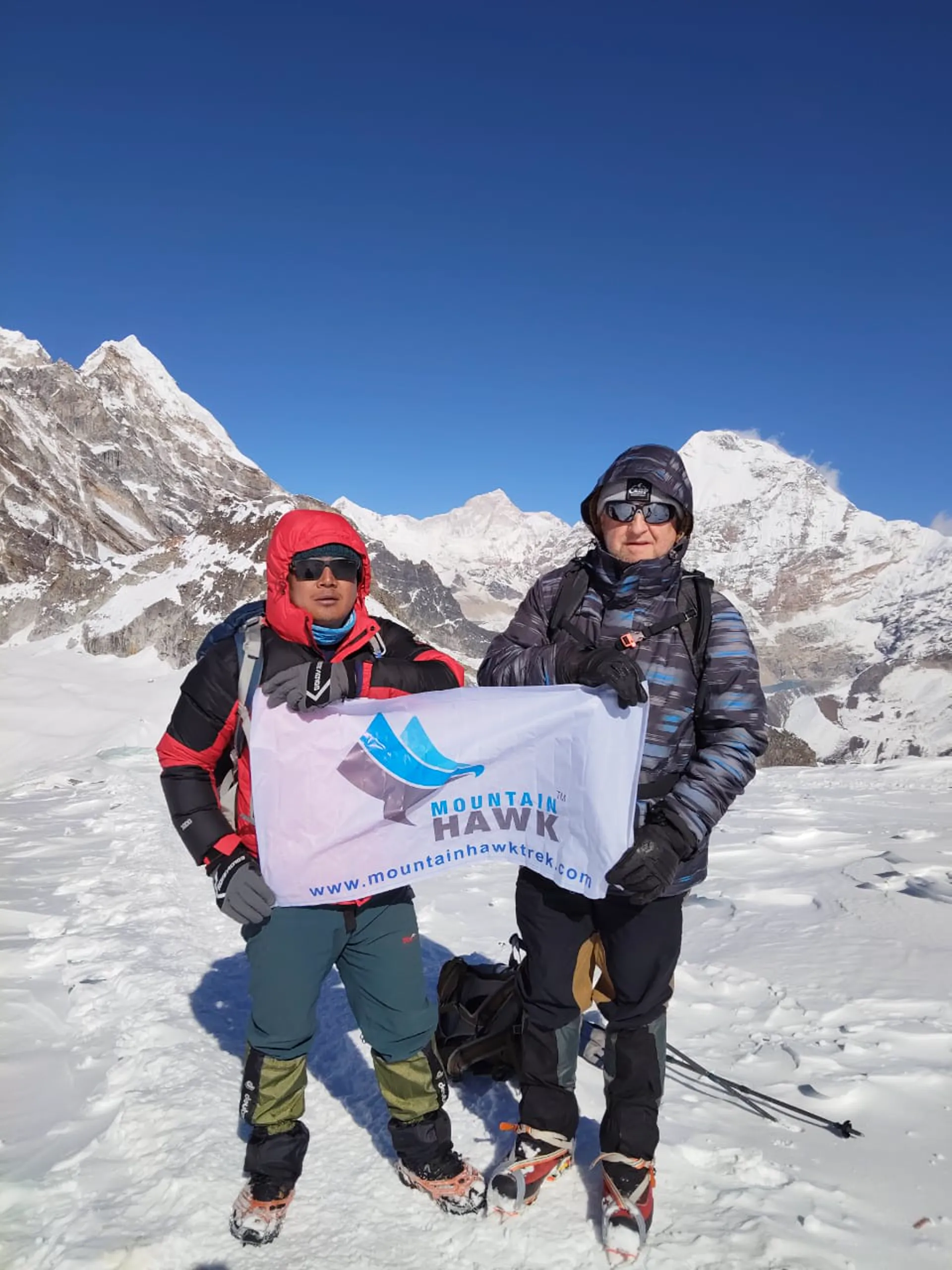
Guide and climber with Mountain Hawk Trek banner on snow, different angle
Weather by altitude

July temperatures, valley to high camp

WaypointElevation Day Night
Kothe3,600m13 to 15°C7 to 9°C
Thangnak4,350m10 to 13°C2 to 5°C
Khare4,900m9 to 12°C0 to 4°C
Mera High Camp5,780m3 to 6°C-6 to -2°C

This is the warmest the tented camps ever get, and the wettest month for everything below them. Mera peak summer climbing shares the monsoon’s constraints since Nepal’s summer and its monsoon are the same season, so the two phrases mean the same wet weeks on this mountain. Rain arrives most afternoons and many nights, heavier and more sustained than June, while the highest ground sees wet snow rather than rain. Cloud is the sky’s default state; clear spells come as short early-morning openings that close again within the hour.

On the trail

Trail conditions in July

Every stream crossing below Kothe runs at its fullest, the forest section near Chutang turns properly wet underfoot, and the Hinku Khola beside the trail from Kothe to Thangnak carries more water and more noise than at any other point in the year. None of this closes the standard route, which has no technical water crossings, but daily stages take longer and the descent days after a summit attempt demand real attention on greasy stone.

Above Base Camp, July gives the glacier its softest, wettest character of the year. Crevasse bridges need the most caution of any month, visibility on the dome can vanish into cloud within minutes, and climbing Sherpas hold turnaround times earliest in the day. One specific July fact: the gompa at Lungsumgba, passed on the walk to Thangnak, sits wrapped in cloud so consistently that most groups only glimpse it properly on the way back down.
Crowds & teahouses

Who else is up there

The emptiest dining rooms of the year, alongside June. A few of the smaller lodges above Kothe use July for repairs or family time, but enough stay open on the standard route that no group walks it without a bed. Where houses are open, you are commonly the only guests, and prices for rooms are at their most negotiable all year.

Getting in & out

Flights, roads and logistics

Plan around the airlink more than the climb. July gives Lukla its worst dispatch reliability of the year, with cloud sitting in the valley through many mornings and cancellation streaks of two or three days unremarkable. Fly the earliest rotation available, hold two to three buffer days beyond the day 12 spare day already built into the trek, and know the helicopter fallback economics before you need them.

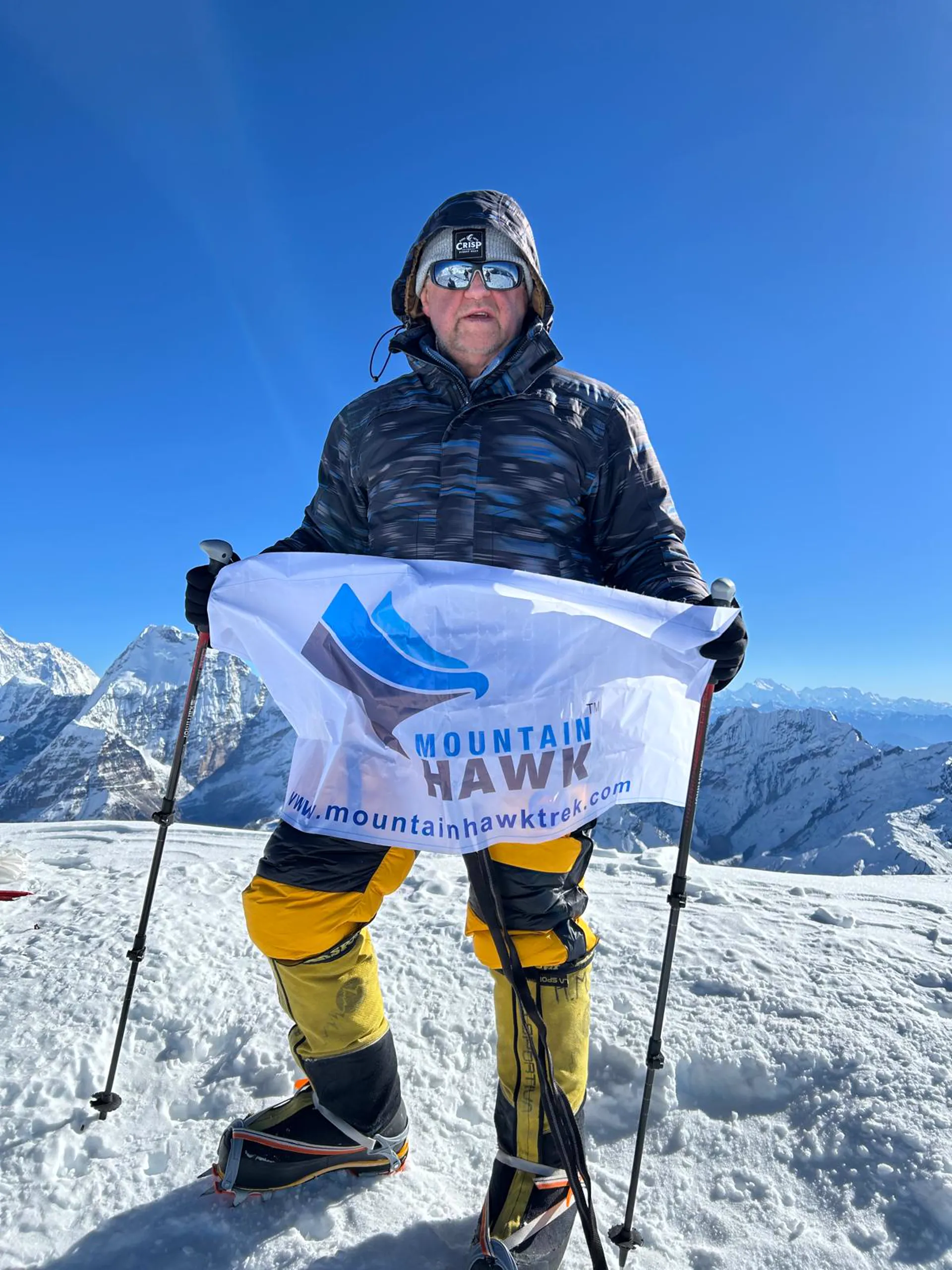
Climber holding Mountain Hawk Trek banner on snowy summit with Himalayan panorama
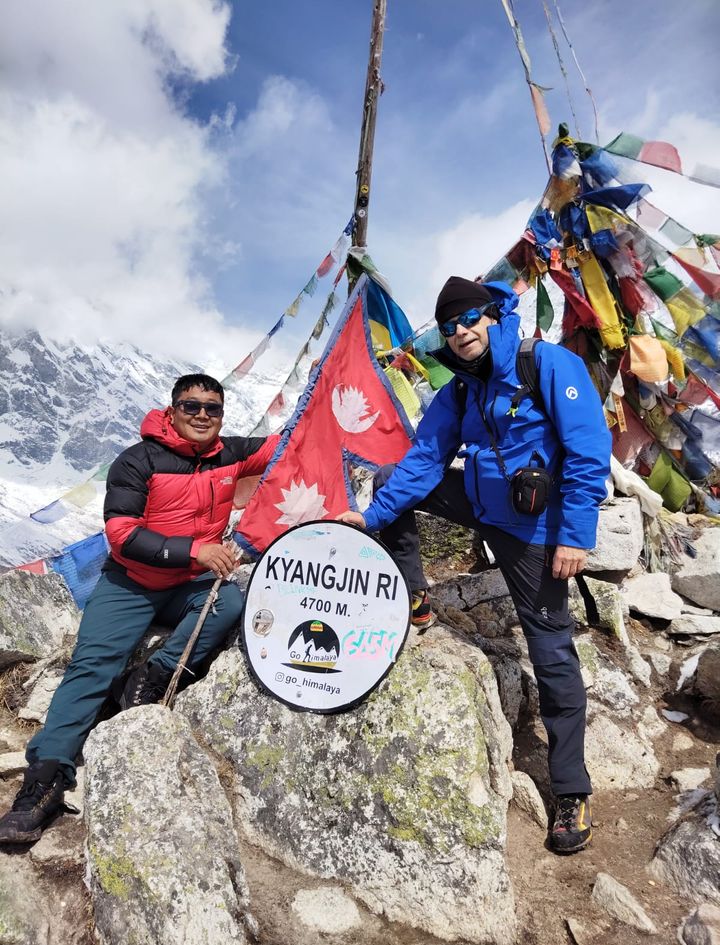
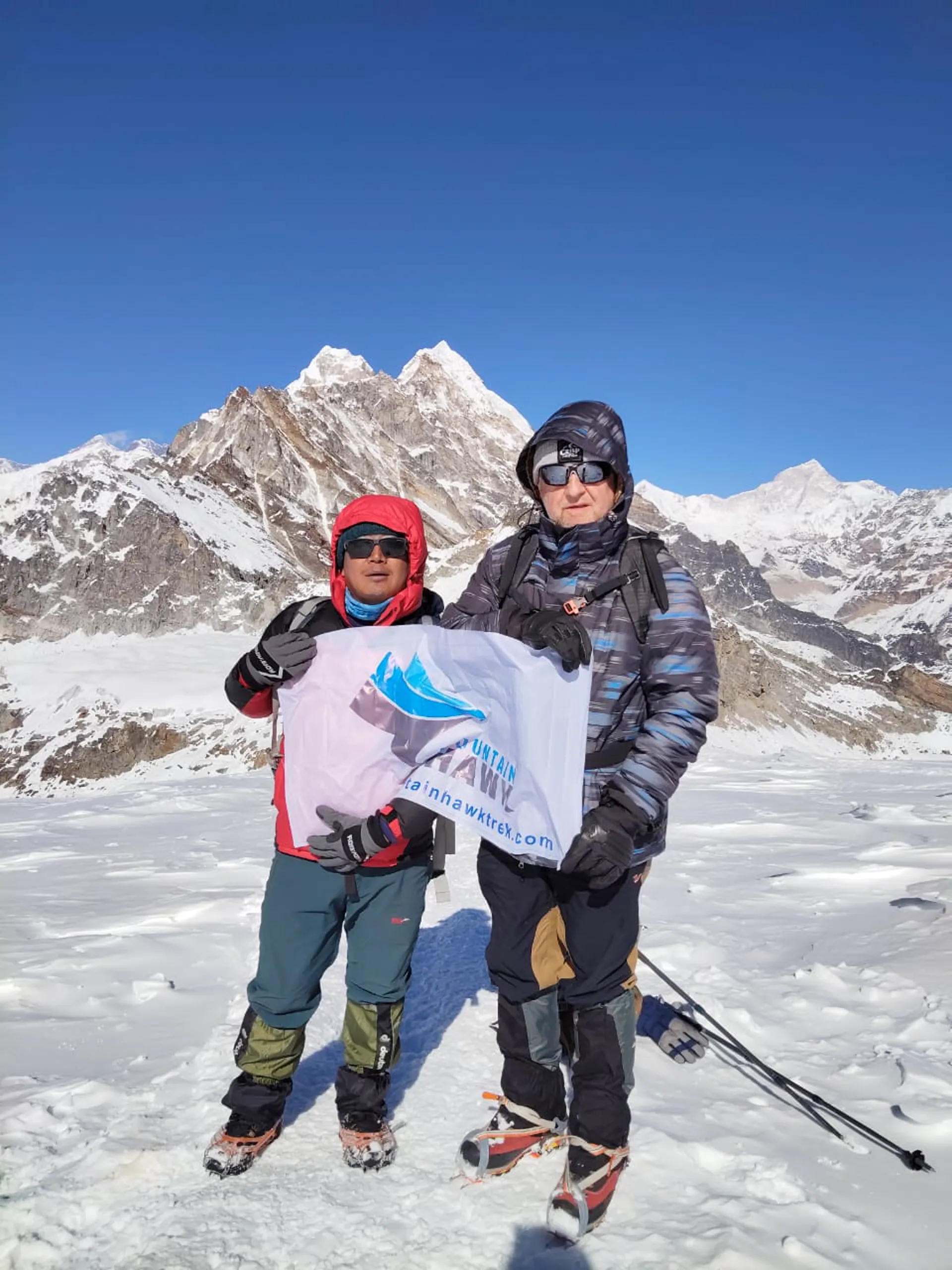
Guide and climber holding Mountain Hawk Trek banner on snow with peaks behind
Pack for July

What changes this month

Frequently asked

July questions

Nepal trekking season 2026

Some mountains
don't wait

Permits close. Weather windows narrow. The best Everest region teahouse beds fill by October, and spring season opens again in March. Our Kathmandu team is already booking for autumn. If you have been planning a trek, this is the window.

TAAN & NTB certified15 years on these trailsResponse within 2 hours