
- What is Mera Peak?
- Mera Peak expedition: the standard 18-day itinerary
- Summit day: crossing the Mera Glacier
- How hard is Mera Peak?
- Mera Peak success rate
- Mera Peak climbing cost in 2026
- Mera peak cost breakdown
- Mera Peak permits
- Best time to climb Mera Peak
- Mera peak autumn climbing (September-November)
- Mera peak spring climbing (March-May)
- Mera peak winter climbing
- Mera peak weather conditions temperature
- Mera Peak difficulty, death rate, and safety
- Is Mera Peak dangerous?
- Mera Peak death rate
- Altitude sickness on Mera Peak
- Gear and equipment
- Mera peak gear list
- Training and preparation
- Mera peak fitness requirements
- How to train for Mera Peak
- Mera peak crevasse rescue training
- Do you need a guide?
- Mera peak climbing guide required
- Mera peak solo climbing
- Comparisons
- Mera peak vs Island Peak
- Mera peak vs Kilimanjaro
- Mera peak vs Lobuche East
- Accommodation on the route
- Mera Peak climbing 2026: booking and logistics
- Frequently asked questions
- Related reading
What is Mera Peak?
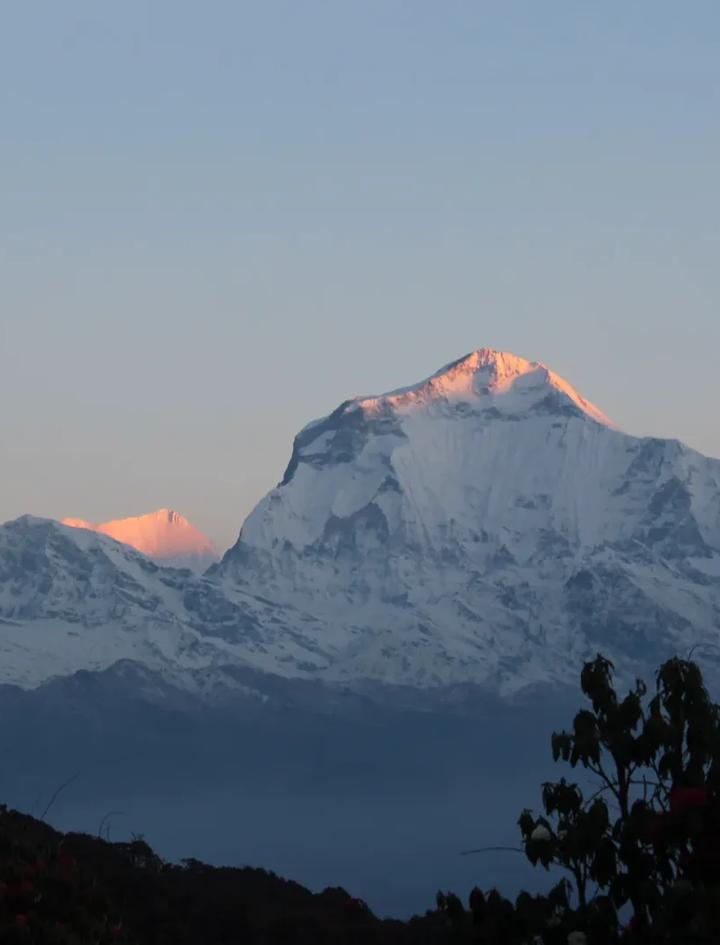
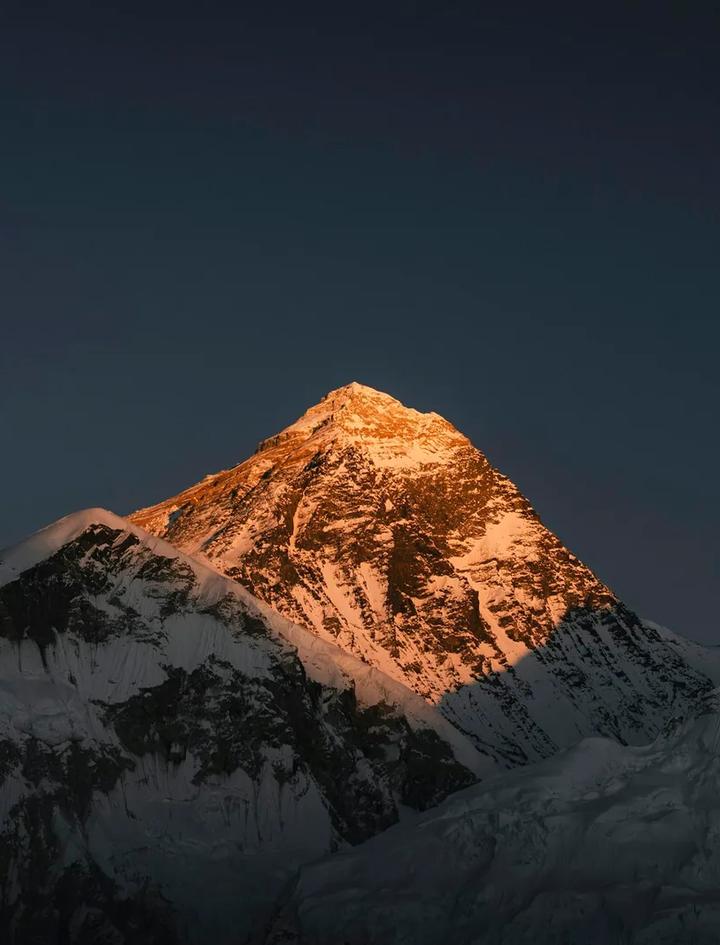
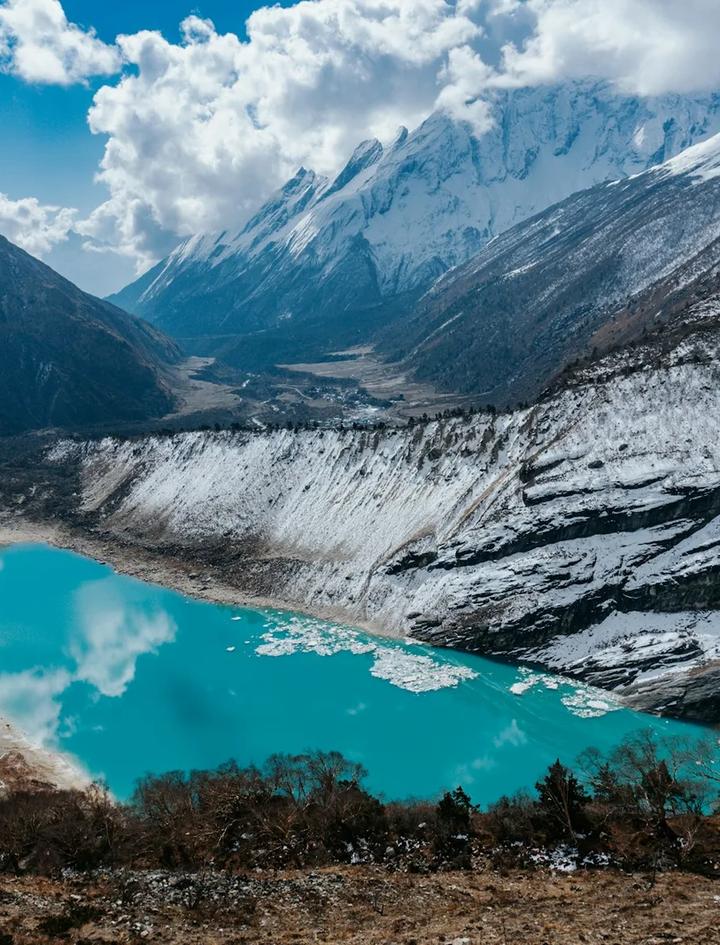
Mera Peak climbing is the most popular introduction to Himalayan mountaineering. At a mera peak height and mera peak summit height of 6,476m (21,246 ft), it is the mera peak highest trekking peak in Nepal, classified as an NMA trekking peak and open to climbers without advanced technical skills. Mera Peak Nepal sits in the Hinku Valley of the Solu-Khumbu region, south of the main Everest massif. The mera peak location is more remote than the Khumbu trail used for EBC and Island Peak: fewer teahouses, fewer trekkers, and a genuine wilderness approach through rhododendron forest and high alpine terrain.
The mera peak first ascent was in 1953 by J.O.M. Roberts and Sen Tenzing. The peak has mera peak three summits: Mera North (6,476m), Mera Central (6,461m), and Mera South (6,065m). The standard climbing route targets Mera Central, which is the highest point. The mera peak 6476 meters elevation makes it higher than Island Peak (6,189m) and significantly higher than Kilimanjaro (5,895m).
What separates Mera from other Himalayan peaks is that it is a mera peak non-technical climb. There is no headwall, no fixed ropes on the standard route, and no steep ice. You walk on snow and glacier with crampons and an ice axe. The challenge is altitude, not technical skill. That combination of extreme altitude and accessible terrain is why Mera Peak is the mera peak trekking peak nepal that more first-time mountaineers choose than any other.
The mera peak views from summit include five of the world's 8,000m peaks: Everest (8,849m), Lhotse (8,516m), Makalu (8,485m), Kangchenjunga (8,586m), and Cho Oyu (8,188m). No other trekking peak offers this panorama.
| Detail | Value |
|---|---|
| Summit altitude | 6,476m (21,246 ft) |
| Base Camp (Khare) | 4,600m |
| High Camp | 5,780m |
| Alpine grade | PD (peu difficile) |
| Duration | 17-23 days (18 standard) |
| Region | Hinku Valley, Solu-Khumbu |
| Start/end | Lukla (flight from Kathmandu or Ramechhap) |
| Best months | October, November, April, May |
| Success rate | 85-90% (guided) |
Mera Peak expedition: the standard 18-day itinerary
The standard mera peak itinerary 18 days expedition follows the Hinku Valley approach from Lukla. The mera peak climbing itinerary below is the most common format sold by operators including Mountain Hawk Trek's Mera Peak Climb Via Zatra La Pass. Mera peak days needed: 18 is standard, mera peak climbing 17 days is a compressed variant, and 20-23 days allows extra acclimatization and exploration.
| Day | Route | Altitude | Hours | Notes |
|---|---|---|---|---|
| 1 | Fly Kathmandu to Lukla, trek to Paiya | 2,730m | 3-4h | Mountain flight |
| 2 | Paiya to Pangom | 2,850m | 5-6h | Through Sherpa villages |
| 3 | Pangom to Ningsow | 2,960m | 5-6h | Rhododendron forest |
| 4 | Ningsow to Chhatra Khola | 3,100m | 4-5h | River valley |
| 5 | Chhatra Khola to Kothe | 3,600m | 5-6h | Entering Hinku Valley |
| 6 | Kothe to Thaknak | 4,350m | 5-6h | Alpine terrain begins |
| 7 | Thaknak to Khare (Base Camp) | 4,600m | 3-4h | Mera Peak Base Camp |
| 8 | Acclimatization at Khare | 4,600m | 3-4h | Hike toward Mera La (5,415m), crampon practice |
| 9 | Rest day / weather buffer | 4,600m | - | Gear check, skills practice |
| 10 | Khare to Mera La to High Camp | 5,780m | 6-7h | Cross Mera La pass, set camp on glacier |
| 11 | Summit day: High Camp to summit, descend to Khare | 6,476m / 4,600m | 10-14h | Pre-dawn start, glacier crossing, snow walk to summit |
| 12 | Rest day at Khare | 4,600m | - | Recovery |
| 13 | Khare to Thaknak | 4,350m | 3-4h | Begin descent |
| 14 | Thaknak to Kothe | 3,600m | 4-5h | Descending Hinku Valley |
| 15 | Kothe to Thuli Kharka | 4,300m | 5-6h | Climbing toward Zatra La |
| 16 | Thuli Kharka to Lukla via Zatra La Pass | 2,840m | 7-8h | Mera peak via zatra la pass return route |
| 17 | Fly Lukla to Kathmandu | 1,400m | 35 min | Weather buffer |
| 18 | Buffer day in Kathmandu | - | - | Lukla flight backup |
The mera peak summit day itinerary begins at midnight to 2:00 AM from High Camp. The mera peak return route descent after summit goes back to Khare the same day, a 10-14 hour round trip. The mera peak via zatra la pass variant above uses a different return route (Days 15-16) that loops back to Lukla over the Zatra La Pass (4,610m) instead of retracing the approach. Mountain Hawk Trek also offers the Mera Peak Climb Via Paiya Route, which takes a different approach through the Paiya valley.
The mera peak base camp khare elevation of 4,600m is where most expeditions set up their main camp. The mera peak high camp elevation of 5,780m is a glacier camp with tents only. The mera peak route map hinku valley runs from Lukla southeast into the Hinku Valley, a drainage system far quieter than the Khumbu. A mera peak route map is available from your operator at booking. The mera peak route description follows river valleys and rhododendron forest for the first 6 days before entering high alpine glacier terrain.
Summit day: crossing the Mera Glacier
The mera peak summit day starts from High Camp (5,780m) between midnight and 2:00 AM. The mera peak summit day duration and schedule: 5-7 hours up, 3-5 hours down, 10-14 hours total. How long does the summit push take? Most teams reach the summit by 7:00-9:00 AM and return to Khare (4,600m) by early evening.
The route crosses the Mera Glacier roped together as a team. Mera peak glacier hazards crevasses are present on this glacier, with hidden snow bridges possible after fresh snowfall. The glacier section takes 3-4 hours in darkness by headlamp. Above the glacier, the route ascends gradually on moderate snow slopes (25-35 degrees) to the summit ridge.
The mera peak summit day views and panorama from 6,476m includes five 8,000m peaks. On a clear morning you see Everest, Lhotse, Makalu, Kangchenjunga, and Cho Oyu spread across the northern horizon. The mera peak base camp to summit distance is approximately 3 km horizontal with 1,876m of elevation gain from Khare (including the High Camp overnight).
Mera peak three summits which is easiest? Mera Central (6,461m) is the standard objective and the easiest to reach from High Camp. Mera North (6,476m, the true summit) is slightly higher and requires a short traverse from Central. Mera South (6,065m) is rarely climbed commercially. Most operators target Mera Central as the "summit" of the expedition.
How hard is Mera Peak?
The mera peak difficulty grade is PD (peu difficile) on the French Alpine scale, the mera peak alpine grade rating that translates to "moderately difficult." The mera peak difficulty level places it in the same grade as Island Peak but the actual climbing is less technical. How hard is mera peak compared to other peaks? It is harder than any trekking route in Nepal because of the altitude, but easier than Island Peak, Lobuche East, or Ama Dablam because there is no steep ice, no headwall, and no fixed ropes.
Is mera peak non-technical? Yes. The standard route is a glacier walk on moderate snow slopes. You need crampons and an ice axe for glacier travel, and you rope up for crevasse protection, but you do not climb steep ice or use fixed ropes. The mera peak fixed ropes and safety equipment on the standard route consist of a climbing rope connecting your team (for crevasse rescue), crampons, ice axes, and harnesses. No jumars, no rappelling.
Is mera peak difficult for beginners? The altitude is the difficulty. At 6,476m, oxygen concentration is roughly 47% of sea level. Every step above 5,500m requires effort. But the terrain itself is manageable for a fit trekker who has practiced crampon walking and can handle 10-14 hours of continuous effort on summit day.
Mera peak for beginners is realistic with proper preparation. Can beginners climb mera peak? Yes. Mera peak for beginners no experience in mountaineering is achievable because guides teach all necessary skills at base camp. Mera peak without mountaineering experience is the standard commercial client profile. Mera peak climbing first timers guide: arrive fit, acclimatize properly, trust your guide, and respect the altitude. A mera peak climbing guide from this article covers everything you need.
Mera peak prior climbing experience above 4,500m (an EBC trek, Annapurna Circuit, or Langtang Valley trek) is strongly recommended. Mera peak high altitude trekking background gives you critical data on how your body responds to altitude. Mera peak trekking peak without mountaineering experience is possible, but previous trekking experience makes the expedition far more enjoyable and increases your success probability.
Mera Peak success rate
The mera peak success rate for well-organized guided groups is 85-90%. The mera peak summit success rate is significantly higher than Island Peak (~80%) and Kilimanjaro (~45-65%). What percentage of climbers summit mera peak? Approximately 85-90% with a proper acclimatization schedule. The mera peak success rate for beginners is comparable to the overall rate when the itinerary includes adequate rest days.
Why do climbers fail mera peak summit? The most common reasons: altitude sickness (headache, nausea, dizziness severe enough to warrant descent), exhaustion from the 10-14 hour summit day, and adverse weather (whiteout conditions on the glacier, high winds, sudden storms). Technical failure is rare because the route is non-technical. The quality of your acclimatization schedule is the single biggest factor determining whether you summit.
Mera Peak climbing cost in 2026
The mera peak climbing cost ranges from USD 1,500 for a budget group-join to USD 5,000+ for a premium private expedition. The mera peak climbing cost 2026 from mid-range operators sits between USD 2,200 and USD 3,500. The mera peak cost 2026 is comparable to 2025 pricing. How much does mera peak cost for a standard guided expedition? USD 2,200-3,500 all-inclusive from a reputable Nepal-based operator.
Mera peak cost breakdown
| Item | Budget | Standard | Premium |
|---|---|---|---|
| Mera peak climbing package cost (guide, porters, meals, camping, gear) | $1,500-2,000 | $2,200-3,000 | $3,500-5,000+ |
| NMA climbing permit (spring/autumn) | $350 / $175 | $350 / $175 | $350 / $175 |
| National Park + Municipality permits | $40 | $40 | $40 |
| Garbage deposit (per group, refundable) | $500 shared | $500 shared | $500 shared |
| Lukla flights (return) | $200-250 | $350-400 | $400-448 |
| Personal gear (rental or purchase) | $150-300 | $100-200 | Included |
| Travel insurance (must cover 6,500m+) | $100-200 | $100-200 | $100-200 |
| Tips | $150-250 | $200-300 | $250-400 |
| Personal spending | $100-150 | $150-250 | $200-400 |
| **Total per person (autumn)** | **$2,690-3,425** | **$3,540-4,515** | **$5,240-7,113** |
The mera peak climbing price varies by season, group size, and service level. The mera peak expedition cost from Nepal-based operators is significantly lower than Western-managed expeditions. The mera peak expedition price from premium operators like Alpine Ascents or Ian Taylor Trekking runs USD 3,500-5,000+, reflecting Western guide leadership and smaller ratios. The mera peak climbing package price nepal from local operators offers the same route at 30-40% less.
The mera peak climbing price per person drops with larger groups. The mera peak climbing budget for an autumn group-join departure: approximately USD 2,500-3,000 all-in. The mera peak spring cost is approximately USD 175 more per person than autumn due to the higher NMA permit fee. The mera peak autumn cost is the best value. For the full line-by-line 2026 numbers, route by route, see our Mera Peak cost breakdown.
Mera peak guide cost: USD 30-35 per day for a licensed trekking guide, USD 40-50 per day for a climbing Sherpa. Mera peak porter cost: USD 20-25 per day. The mera peak climbing fee from your operator covers all of these. The mera peak package price nepal from Mountain Hawk Trek includes guide, climbing Sherpa, porters, all permits, Lukla flights, meals, accommodation, and group climbing gear. The mera peak climbing package nepal from any reputable operator should cover the same essentials. The mera peak climbing investment is comparable to Island Peak despite Mera being 287m higher.
Mera Peak permits
The mera peak climbing permit nepal must be obtained through a registered Nepalese trekking agency. The NMA permit mera peak is the primary climbing authorization. The Nepal Mountaineering Association issues the mera peak trekking peak permit through authorized operators only. The mera peak permit nepal cannot be obtained independently by foreign climbers.
| Permit | Mera peak permit fee 2026 | Notes |
|---|---|---|
| NMA Climbing Permit (spring, Mar-May) | USD 350/person | Mera peak spring cost premium |
| NMA Climbing Permit (autumn, Sep-Nov) | USD 175/person | Mera peak autumn cost, best value |
| NMA Climbing Permit (winter/summer) | USD 175/person | Off-season rate |
| Garbage deposit | USD 500/group (refundable) | Required by NMA |
| Makalu Barun National Park entry | NPR 3,000 (~USD 25) | Route-dependent |
| Khumbu Rural Municipality | NPR 2,000 (~USD 15) | Local fee |
The mera peak permit fee varies by season as shown above. The mera peak permit cost total is approximately USD 165-290 per person depending on season and group size (garbage deposit split). The mera peak climbing fee from your operator typically includes all permits in the quoted package price.
Best time to climb Mera Peak
The best time to climb mera peak is October (peak autumn) or May (peak spring). The mera peak climbing season runs in the same two windows as all Himalayan climbing.
Mera peak autumn climbing (September-November)
Mera peak climbing october is the single best month. Clear post-monsoon skies, stable glacier conditions, and good visibility for the summit panorama. The mera peak in october best month positioning is consistent across all operators. November is viable but colder with increasing wind. The mera peak autumn season offers the lowest NMA permit fee (USD 175) and slightly fewer climbers than spring.
Mera peak spring climbing (March-May)
Mera peak spring climbing peaks in April and May. Warmer temperatures, longer days, and consolidated snowpack. May is historically the most popular summit month. The mera peak spring climbing march may window sees the highest traffic. The tradeoff: the NMA permit is USD 350 (double autumn) and afternoon cloud buildup above 5,000m is more common as pre-monsoon moisture arrives.
Mera peak winter climbing
Mera peak winter climbing (December-February) is possible but extreme. Temperatures at High Camp can reach -30 degrees Celsius. Wind speeds increase dramatically. Teahouses in the Hinku Valley may be closed. Only experienced high-altitude mountaineers should consider a winter attempt. The mera peak climbing season outside autumn and spring is niche.
Mera peak weather conditions temperature
Mera peak weather conditions temperature at High Camp (5,780m) in October: daytime 0 to -5 degrees, nighttime -15 to -20 degrees. On summit day at 6,476m: -15 to -25 degrees with wind chill. In spring, temperatures are 3-5 degrees warmer. The mera peak extreme weather risk includes sudden whiteouts on the glacier, high winds, and rapid temperature drops.
Mera Peak difficulty, death rate, and safety
Is Mera Peak dangerous?
Is mera peak dangerous? Mera Peak carries objective hazards, but the risk is manageable with proper preparation. The primary danger is altitude sickness at 6,476m. Secondary hazards: mera peak glacier hazards crevasses on the Mera Glacier (roped travel mitigates this), extreme cold at High Camp, and sudden storm conditions. Mera peak extreme weather risk is real on the exposed glacier above 5,500m.
Mera Peak death rate
The mera peak death rate is low. Thousands attempt Mera annually with rare fatalities. Leading causes of mera peak deaths: altitude sickness from inadequate acclimatization, hypothermia in sudden storms, and crevasse falls. The risk is significantly lower than on expedition peaks (Everest, Ama Dablam) and comparable to other trekking peaks in the Khumbu.
Altitude sickness on Mera Peak
Mera peak altitude sickness is the primary medical risk. At 6,476m, oxygen is roughly 47% of sea level. Mera peak AMS prevention depends on a proper acclimatization schedule with built-in rest days. Mera peak HAPE HACE risk is real above 5,500m: HAPE (fluid in lungs) and HACE (brain swelling) are life-threatening and require immediate descent.
The mera peak acclimatization schedule built into the 18-day itinerary provides 7-8 days of progressive altitude gain before the summit attempt. The mera peak acclimatization days at Khare (Days 8-9) include a hike toward Mera La (5,415m) following the "climb high, sleep low" principle. Carry Diamox (125-250mg twice daily) as prophylactic. Stay hydrated at 3-4 liters per day. Avoid alcohol above 4,000m.
See our altitude sickness guide for the full AMS, HAPE, and HACE prevention protocol.
Gear and equipment
Mera peak gear list
The mera peak gear list is less technical than Island Peak because there is no headwall and no fixed ropes. The mera peak climbing equipment required centers on glacier travel gear and extreme cold protection. The mera peak packing list covers both the trekking approach and the summit push.
Personal mountaineering gear:
- Mera peak crampons ice axe: 12-point steel crampons with anti-balling plates, one mountaineering ice axe (50-60cm). Mera peak crampon training is provided at Khare base camp before the summit push.
- Climbing harness and locking carabiners (for roped glacier travel).
- Mera peak mountaineering boots: stiff, crampon-compatible (B2 or B3 rated). Rental available in Kathmandu.
- Helmet (optional on standard route but recommended).
- Trekking poles with snow baskets.
Clothing and mera peak weather protection gear:
- Down jacket (600+ fill, rated to -20 degrees Celsius minimum).
- Waterproof hardshell jacket and pants.
- Thermal base layers (synthetic or merino).
- Insulated climbing pants.
- Expedition gloves (inner liner plus outer shell plus summit mittens).
- Balaclava and neck gaiter.
- UV-400 glacier sunglasses.
Sleeping:
- Sleeping bag rated to -25 degrees Celsius. The Hinku Valley lodges are basic and High Camp is camping only.
General:
- 50-60L pack for trekking days. Mera peak weight carry on trekking days averages 12-15 kg with a porter carrying the rest. On summit day, carry a minimal daypack (4-6 kg: headlamp, water, snacks, extra layers).
- Headlamp with fresh batteries (summit day starts in darkness).
- Water purification.
- First aid kit with Diamox, ibuprofen, blister care.
- Sunscreen SPF 50+ and lip balm.
Many items on the mera peak gear list are rentable in Kathmandu for USD 15-50 per item. Crampons, ice axes, harnesses, and sleeping bags are the most commonly rented. The mera peak climbing equipment required beyond trekking gear is minimal compared to technical peaks.
See our trekking permits guide for documentation to carry.
Training and preparation
Mera peak fitness requirements
The mera peak fitness requirements are less about technical skill and more about endurance at altitude. The mera peak physical fitness requirements: walk 6-8 hours per day on consecutive days carrying 12-15 kg, sustain effort for 10-14 hours on summit day with minimal rest, and handle cold, poor sleep, and reduced appetite for 7+ nights above 4,000m. The mera peak mental preparation guide: expect discomfort. The Hinku Valley is remote, the teahouses are basic, and summit day is a long grind in the dark.
How to train for Mera Peak
How to train for mera peak? A mera peak training plan of 8-12 weeks is the minimum. Mera peak training should focus on cardiovascular endurance and leg strength. How to prepare for mera peak climbing in four phases:
Weeks 1-4: Build cardiovascular base. Run, cycle, or use a stairmaster 4-5 times per week. Build from 30-minute sessions to 60+ minutes. Add a weighted hike (10-15 kg pack) once per week. The mera peak physical preparation starts here.
Weeks 5-8: Build volume. One long hike per week (5-6 hours with pack, 1,000m+ elevation gain). Leg and core strength training 2-3 times per week (squats, lunges, step-ups, planks). The mera peak pre-climb conditioning phase.
Weeks 9-12: Simulate expedition days. Back-to-back weekend hikes of 5-6 hours each. Practice in your expedition boots. Taper in the final week. How to prepare for mera peak: arrive in Kathmandu rested, not exhausted from last-minute training.
The mera peak physical fitness requirements how to prepare summary: cardiovascular endurance is the foundation, leg strength sustains you on long days, and mental toughness gets you through the 10-14 hour summit push. A mera peak training plan before climbing should include at least one multi-day trek with altitude gain to test your body's response.
Mera peak crevasse rescue training
Mera peak crevasse rescue training is advisable but not mandatory. Your guide carries the equipment and expertise for crevasse rescue. The mera peak rope travel technique (roped glacier travel with 8-10m spacing between climbers) is taught at Khare base camp. Mera peak crampon training (flat walking, ascending moderate slopes, turning on snow) is also covered at base camp before the summit push.
Do you need a guide?
Mera peak climbing guide required
Yes. A mera peak climbing guide required is both a practical and regulatory reality. NMA climbing permits must be obtained through a registered agency, making it impossible to climb Mera Peak without an operator. Your guide handles permits, manages the climbing rope on the glacier, monitors weather, and makes summit day go/no-go decisions.
Mera peak solo climbing
Mera peak solo climbing is not possible in the traditional sense. You cannot obtain an NMA permit independently. You can, however, book a private departure with a single guide. Solo female travel mera peak is safe during peak season (October, April-May): the Hinku Valley trail is quiet but well-established, and your expedition team provides security. The approach villages have basic lodges, and the climbing portion is always with your guide and team.
Comparisons
Mera peak vs Island Peak
The mera peak vs island peak comparison is the most common decision for first-time Himalayan climbers. The mera peak vs island peak difficulty comparison:
| Factor | Mera Peak | Island Peak (Imja Tse) |
|---|---|---|
| Altitude | 6,476m | 6,189m |
| Technical difficulty | PD (snow walk, no headwall) | PD (60-70 degree headwall, fixed ropes) |
| Fixed ropes | None on standard route | Yes (headwall and ridge) |
| Glacier crevasse risk | Moderate (Mera Glacier) | Moderate (Imja Glacier) |
| Summit success rate | 85-90% | ~80% |
| Duration | 17-20 days | 15-18 days (18 with EBC) |
| NMA permit (autumn) | USD 125 | USD 175 |
| Approach | Remote Hinku Valley | Busy EBC/Khumbu trail |
| Views from summit | 5 peaks over 8,000m | 4 peaks over 8,000m |
Island peak vs mera peak which easier? Mera Peak is technically easier. No headwall, no fixed ropes, no steep ice. Mera peak vs island peak for beginners: Mera is recommended as the first summit. Island Peak suits trekkers wanting genuine mountaineering technique.
The mera peak vs island peak cost comparison: both peaks now carry the same USD 175 autumn NMA permit after the September 2025 Group B fee revision. Package costs are similar (USD 2,000-3,500 range). The mera peak vs island peak difficulty at the technical level clearly favors Mera, but Mera's higher altitude means more time in the oxygen-depleted zone.
For the ultimate experience, the mera peak island peak combination trek covers both peaks in 22-28 days. Some operators route via the Amphu Lapcha Pass (5,845m) between the two peaks.
Mera peak vs Kilimanjaro
The mera peak vs kilimanjaro comparison: Mera Peak is harder. Both are non-technical, but Mera is 581m higher (6,476m vs 5,895m), requires crampons and glacier travel, involves camping at 5,780m, and has a longer summit day (10-14 hours vs 7-8 hours). Mera's success rate (85-90%) is significantly higher than Kilimanjaro (45-65%) because the acclimatization schedule is better designed over 18 days vs Kilimanjaro's typical 5-7 days.
Mera peak vs Lobuche East
The mera peak vs lobuche east comparison: Lobuche East (6,119m) is lower and shorter but more technical than Mera. Lobuche involves fixed ropes and a steep snow/ice face. Mera is higher but a walk. For a first peak, Mera is the more accessible choice.
Accommodation on the route
The trekking approach through the Hinku Valley uses teahouses and basic lodges in villages (Lukla, Paiya, Kothe, Thaknak). The lodges are more basic than on the Khumbu (EBC) trail: simpler meals, fewer charging options, and no WiFi above Kothe.
At Khare (4,600m), some basic lodges exist but most expeditions use tents. Mera Peak Base Camp is a camping site, not a teahouse stop. High Camp (5,780m) is camping only: expedition tents on the glacier, no permanent structures.
Meals at Hinku Valley teahouses cost USD 5-10 per plate. Dal bhat is the staple. Above Khare, your expedition cook prepares all meals. Budget USD 25-35 per day for food on the approach if eating independently.
Mera Peak climbing 2026: booking and logistics
The mera peak expedition 2026 season follows the same calendar as previous years: autumn departures in September-November, spring departures in March-May. The mera peak climbing 2026 costs are stable from 2025. Book your Lukla flights and operator 4-8 weeks ahead for October and April-May. The mera peak trekking company you choose should have NMA registration, licensed climbing Sherpas, and a proper acclimatization schedule of at least 17 days.
Mera peak climbing tips: arrive in Kathmandu 1-2 days early for gear checks and permit processing. Break in your mountaineering boots before the trip. Bring a battery bank (10,000-20,000 mAh) because charging above Kothe is limited. And trust your guide's summit day decision; they have climbed this peak dozens of times.
Frequently asked questions
What is Mera Peak and where is it? Mera Peak (6,476m) is Nepal's highest trekking peak, located in the Hinku Valley of the Solu-Khumbu region. It has three summits (North, Central, South) with the standard route targeting Mera Central. First climbed in 1953.
Do I need mountaineering experience? No. Guides teach crampon, ice axe, and rope skills at Khare base camp. Prior high-altitude trekking above 4,500m is strongly recommended for acclimatization experience.
What is the success rate? 85-90% for guided groups with proper acclimatization. Altitude sickness is the primary reason for turning back, not technical difficulty.
How much does it cost? USD 2,200-3,500 for a guided package. Add USD 800-1,500 for permits, flights, gear, insurance, and tips. Total: USD 3,000-5,000.
What permits do I need? NMA climbing permit (USD 175 autumn / USD 350 spring), Makalu Barun NP entry (~USD 25), Khumbu Municipality (~USD 15), plus USD 500 garbage deposit per group. All arranged through your agency.
How long is summit day? 10-14 hours round trip from High Camp (5,780m). Depart midnight-2:00 AM, summit by 7:00-9:00 AM, return to Khare (4,600m) by evening.
Is Mera Peak easier than Island Peak? Yes. Mera is technically easier (no headwall, no fixed ropes) but higher (6,476m vs 6,189m). Mera's success rate (85-90%) is higher than Island Peak (~80%). Mera is recommended as a first summit.
What is the death rate? Low. Rare fatalities, with altitude sickness and hypothermia as leading causes. The risk is manageable with proper acclimatization, a competent guide, and conservative summit decisions.
Related reading
- Island Peak Climbing Complete Guide: the other popular trekking peak, more technical than Mera
- Gokyo Cho La Pass Trek Complete Guide: an Everest region trek that combines well with peak climbing
- Everest Base Camp Trek Complete Guide: the classic Khumbu trek for acclimatization before peaks
- Altitude Sickness Guide: AMS, HAPE, HACE prevention for high-altitude climbing
- Trekking Permits Guide: permit details for all Nepal regions