
- What is Island Peak?
- Island Peak climbing with EBC: the standard combo
- Island Peak 18 day itinerary (EBC combo)
- Summit day: what the climb is actually like
- The approach: glacier crossing
- The headwall
- The summit ridge
- Descent
- Island peak summit push conditions
- How hard is Island Peak?
- Is Island Peak suitable for beginners?
- Island Peak climbing cost in 2026
- Island peak climbing budget breakdown
- Island Peak permits: what you need and what they cost
- NMA permit island peak
- Island peak climbing garbage deposit fee
- Other permits
- Best time to climb Island Peak
- Island peak autumn season (September-November)
- Island peak spring climbing (March-May)
- Island peak winter climbing
- Island Peak difficulty, death rate, and safety
- Is Island Peak dangerous?
- Island peak climbing success rate
- Island peak altitude sickness
- Gear and equipment
- Island peak gear list
- Training and preparation
- Island peak fitness requirements
- Island peak training plan before climbing
- Do you need a guide? Can you climb solo?
- Island peak climbing guide required
- Island peak climbing solo
- Island Peak vs Mera Peak
- Island Peak vs Kilimanjaro
- Teahouse and camping accommodation
- Frequently asked questions
- Related reading
What is Island Peak?
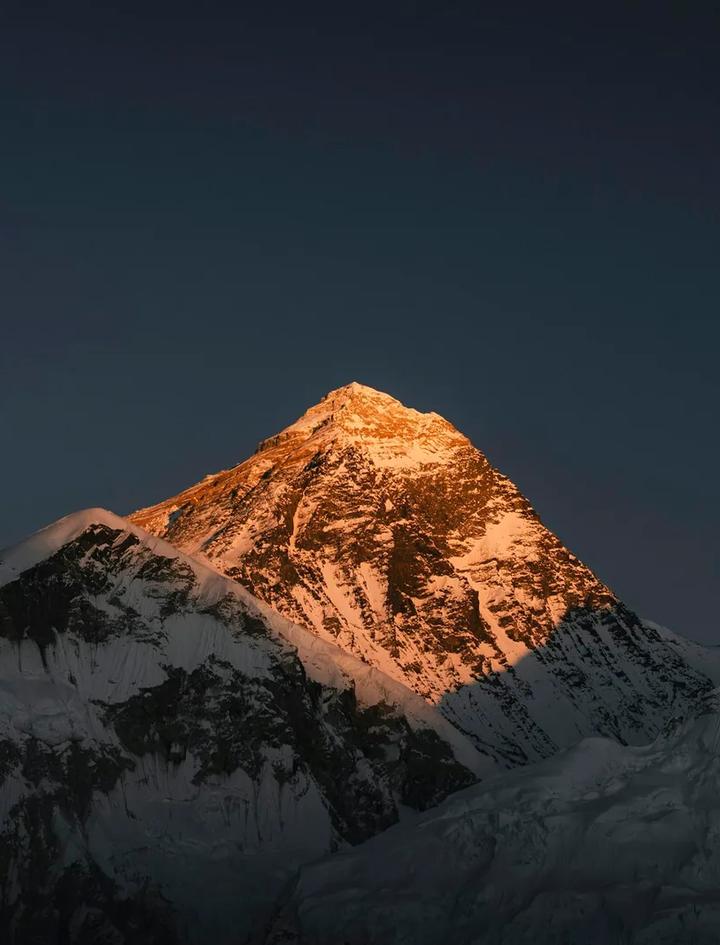
Island Peak climbing is the most popular trekking peak expedition in Nepal. The peak stands at an island peak summit height of 6,189m (20,305 ft) in the Khumbu region of the Everest Himalayas. Its local name is Imja Tse. The island peak imja tse local name history traces back to the 1952 British Cho Oyu expedition, which named it because the peak appeared to rise like an island from the surrounding Lhotse-Nuptse glacier. First summited by Tenzing Norgay's team in 1953, it has since become the most frequently climbed trekking peak in Nepal, classified as an island peak trekking peak Nepal by the Nepal Mountaineering Association (NMA).
Island Peak Nepal sits in the Imja Valley between Lhotse (8,516m) and Ama Dablam (6,812m). The standard approach follows the classic Everest Base Camp trekking route through Namche Bazaar and Tengboche before branching to Chhukung (4,730m) and the island peak base camp altitude of 5,087m (Pareshaya Gyab). The island peak high camp sits at approximately 5,600m, from which summit attempts begin between midnight and 2:00 AM.
| Detail | Value |
|---|---|
| Summit altitude | 6,189m (20,305 ft) |
| Base Camp altitude | 5,087m |
| High Camp altitude | ~5,600m |
| Alpine grade | F to PD (facile to peu difficile) |
| Duration | 15-21 days (18 with EBC standard) |
| Region | Everest (Khumbu), Sagarmatha National Park |
| Start/end | Lukla (flight from Kathmandu or Ramechhap) |
| Best months | October, November, April, May |
| First ascent | 1953 (Tenzing Norgay's team) |
Island Peak climbing Nepal attracts over 2,000 climbers per year, making it the single busiest trekking peak in the country. The island peak expedition 2026 season is expected to see similar numbers. The Imja Tse climbing route from Chhukung crosses a glacier, ascends a steep headwall on fixed ropes, and follows a narrow ridge to the summit. This is not a walk-up peak. It is genuine mountaineering at altitude, and that is what makes it the most sought-after entry point into Himalayan climbing.
Island Peak climbing with EBC: the standard combo
The most popular way to climb Island Peak is the island peak climbing with Everest base camp trek combination. The island peak climbing with EBC itinerary takes 18-21 days from Kathmandu and follows the classic EBC route before diverting to Chhukung and Base Camp. The island peak and EBC combined itinerary maximizes acclimatization because you spend 10-12 days trekking to progressively higher altitudes before attempting the summit.
The island peak combined with everest base camp trek is what most operators sell as their flagship Island Peak product. You visit EBC (5,364m), climb Kala Patthar (5,545m), then head to Chhukung and Island Peak. Some operators reverse the order (Island Peak first, then EBC), but the EBC-first direction is more common because it builds altitude exposure gradually.
For trekkers who have already visited EBC or want a shorter trip, the island peak climbing from chhukung standalone route takes 14-16 days from Kathmandu, skipping the EBC detour entirely.
A more ambitious option is the island peak via gokyo and ebc route, which adds the Gokyo Lakes and Cho La Pass to the itinerary for a 22-25 day expedition. This is the ultimate Khumbu circuit: Gokyo Ri, Cho La, EBC, Kala Patthar, and Island Peak in one trip.
Island Peak 18 day itinerary (EBC combo)
This is the standard island peak 18 day itinerary combined with EBC, which is the most popular format. The island peak climbing itinerary below covers the EBC-first direction. Island peak climbing how many days? 18 is standard; 15 is the standalone version without EBC; 21 allows extra acclimatization.
| Day | Route | Altitude | Hours | Notes |
|---|---|---|---|---|
| 1 | Fly Kathmandu to Lukla, trek to Phakding | 2,610m | 3-4h | Mountain flight |
| 2 | Phakding to Namche Bazaar | 3,440m | 5-6h | Steep climb |
| 3 | Acclimatization day in Namche | 3,440m | 3-4h | Hike to Everest View Hotel (3,880m) |
| 4 | Namche to Tengboche | 3,860m | 5-6h | Ama Dablam views |
| 5 | Tengboche to Dingboche | 4,410m | 5-6h | Entering Imja Valley |
| 6 | Acclimatization in Dingboche | 4,410m | 3-4h | Hike to Nangkartshang peak (5,083m) |
| 7 | Dingboche to Lobuche | 4,940m | 4-5h | Along Khumbu Glacier moraine |
| 8 | Lobuche to Gorak Shep, hike to EBC | 5,164m / 5,364m | 7-8h | Everest Base Camp visit |
| 9 | Kala Patthar sunrise, descend to Dingboche | 5,545m / 4,410m | 7-8h | Pre-dawn summit, long descent |
| 10 | Dingboche to Chhukung | 4,730m | 3-4h | Short walk to Island Peak staging village |
| 11 | Chhukung rest and gear check | 4,730m | 2-3h | Practice crampon/rope skills on nearby ice |
| 12 | Chhukung to Island Peak Base Camp | 5,087m | 4-5h | Camping at Pareshaya Gyab |
| 13 | Base Camp skills session, move to High Camp | 5,600m | 3-4h | Crampon, ice axe, jumar practice |
| 14 | Summit day: High Camp to summit and back to Chhukung | 6,189m / 4,730m | 12-15h | Pre-dawn start, headwall, ridge, descent |
| 15 | Chhukung to Tengboche | 3,860m | 6-7h | Long descent |
| 16 | Tengboche to Namche | 3,440m | 4-5h | Final trekking day before Lukla |
| 17 | Namche to Lukla | 2,840m | 6-7h | Last trail day |
| 18 | Fly Lukla to Kathmandu | 1,400m | 35 min | Buffer for weather delays recommended |
The island peak 15 days itinerary skips the EBC/Kala Patthar portion (Days 7-9) and goes directly from Dingboche to Chhukung. The island peak climbing itinerary 15 days version is the standalone peak climb without EBC. The island peak 18 days itinerary or the island peak and ebc trek 18 days version above is recommended for first-timers because the extra altitude exposure at Gorak Shep (5,164m) and Kala Patthar (5,545m) significantly improves acclimatization before the summit push to 6,189m.
The island peak with ebc trek itinerary is the highest-value option: you get Nepal's most iconic trek and its most popular peak climb in a single trip. The island peak 18 day itinerary covers everything without feeling rushed.
For an even bigger adventure, consider the island peak overland route without Lukla flight via jeep to Salleri or Phaplu (6-8 hours from Kathmandu), adding 3-4 extra trekking days each way but saving USD 200-250 per sector on Lukla flights and improving acclimatization through gradual altitude gain.
Summit day: what the climb is actually like
The island peak summit day route description begins at High Camp (5,600m) or Base Camp (5,087m) depending on your operator's schedule. Most groups depart between midnight and 2:00 AM. Island peak summit day how long? The round trip takes 10-15 hours. How long does the island peak summit push take from High Camp? 8-10 hours round trip; from Base Camp, 12-15 hours.
The approach: glacier crossing
The first section crosses the Imja Glacier in darkness by headlamp. The route navigates between crevasse zones, roped together as a team. Island peak crevasse danger is present year-round on this glacier section, with hidden crevasses under snow bridges especially after fresh snowfall. The approach takes 2-3 hours. The island peak base camp to high camp route covers approximately 500m of elevation gain over loose moraine and glacier terrain in 3-4 hours.
The headwall
The island peak headwall is the crux of the entire climb. This steep ice wall rises 100-150m at gradients of 60-70 degrees. The island peak headwall difficulty fixed ropes section requires ascending on fixed ropes using a jumar (mechanical ascender) clipped to your harness. Island peak fixed ropes are placed by expedition operators at the start of each season and maintained throughout.
The island peak jumar ascender is the tool that gets you up the headwall. Island peak jumar technique how to use: clip the jumar to the fixed rope, slide it upward, weight it, step up with crampons, repeat. This is where island peak crampon technique matters most. You are front-pointing into steep ice at altitude with limited oxygen. The headwall takes 1.5-2 hours to climb.
The summit ridge
Above the headwall, the island peak corniced summit ridge is a narrow snow and ice ridge with significant exposure on both sides. Cornices (overhanging snow formations) can form on the north side. The ridge takes 30-45 minutes to traverse to the summit at 6,189m. Views from the top include Lhotse, Nuptse, Makalu, Baruntse, and Ama Dablam.
Descent
The descent reverses the route. Rappelling down the headwall on fixed ropes takes 30-45 minutes. The glacier crossing back to camp takes 2-3 hours. Most climbers return to Base Camp or Chhukung the same day.
Island peak summit push conditions
The island peak summit push conditions depend heavily on season and weather. In October, the headwall is typically firm ice with good crampon purchase. In April-May, the ice may be softer in the afternoon, making an early start even more critical. Wind on the summit ridge can reach 40-60 km/h. Clear skies and low wind are the summit window; if conditions deteriorate, a competent guide will turn the team around.
How hard is Island Peak?
The island peak difficulty grade is F to PD on the French Alpine scale, which translates to "easy to moderately difficult" by Himalayan standards. How hard is island peak? It is harder than any trekking route in Nepal but easier than peaks like Ama Dablam or Cho Oyu. How hard is island peak to climb for someone with trekking experience but no mountaineering background? Hard, but achievable with proper training and a good guide.
The island peak technical climbing involves three distinct challenges:
- Glacier travel with island peak crevasse danger on the Imja Glacier approach.
- The island peak headwall: 60-70 degree ice, 100-150m, fixed ropes, jumar ascending.
- The island peak corniced summit ridge: narrow, exposed, cornice risk.
The island peak mountaineering skills required include crampon walking on steep ice, jumar ascending on fixed ropes, basic ice axe technique, glacier rope skills, and rappelling. Island peak crampon and ice axe experience required? Yes, but most operators teach these skills at Base Camp before summit day. The island peak crampon and ice axe training session at Base Camp typically covers fitting crampons to boots, walking on flat ice, front-pointing on slopes, ice axe self-arrest, jumar placement, and harness rigging.
The island peak technical skills required are within reach of a fit trekker who commits to pre-trip training and pays attention during the Base Camp skills session. This is not a technically extreme peak. It is a peak that demands respect for altitude, weather, and basic mountaineering technique.
Is Island Peak suitable for beginners?
Is island peak climbing difficult for beginners? Yes, but it is achievable. Island peak climbing for beginners is possible because the technical sections (headwall and ridge) use fixed ropes, meaning your guide and the rope system do much of the safety work. You are ascending, not leading. The question is whether you are fit enough and acclimatized enough to perform at 6,000m.
Can you climb island peak with no mountaineering experience? Yes. Island peak no mountaineering experience expeditions are the norm, not the exception. Most commercial clients on Island Peak are trekkers stepping into mountaineering for the first time. Is island peak safe for beginners? With a competent guide, proper acclimatization, and realistic expectations about summit day effort, yes.
Is island peak good for first himalayan summit? It is the most popular first himalayan summit in Nepal, though not the easiest. Island peak first himalayan summit success depends on fitness, acclimatization, and choosing an operator with a conservative schedule. Island peak first time climbers should add the extra acclimatization day at Dingboche (18-day itinerary over 15-day) and practice technical skills thoroughly at Base Camp.
The island peak difficulty compared to everest base camp trek: the trekking portion is identical in difficulty (both routes go through Namche, Dingboche, and beyond). The climbing portion adds 1,100m of vertical gain from Base Camp to summit on technical terrain. EBC is a trek. Island Peak is a climb. Different category.
Island Peak climbing cost in 2026
How much does it cost to climb island peak? The island peak climbing cost ranges from USD 1,200 for a budget group-join to USD 5,000+ for a premium private expedition. The island peak climbing cost 2026 from most reputable mid-range operators sits between USD 2,000 and USD 3,500.
Island peak climbing budget breakdown
| Item | Budget | Standard | Premium |
|---|---|---|---|
| Island peak climbing package cost (guide, porter, meals, camping, group gear) | $1,200-1,800 | $2,000-3,000 | $3,500-5,000+ |
| NMA climbing permit (spring/autumn) | $350 / $175 | $350 / $175 | $350 / $175 |
| Sagarmatha National Park + Khumbu Municipality | $40 | $40 | $40 |
| Garbage deposit (per group, refundable) | $500 shared | $500 shared | $500 shared |
| Lukla flights (return) | $200-250 | $350-400 | $400-448 |
| Personal gear (rental or purchase) | $200-400 | $100-300 | Included |
| Travel insurance (must cover 6,000m+) | $100-200 | $100-200 | $100-200 |
| Tips (guide, climbing Sherpa, porters) | $150-250 | $200-300 | $250-400 |
| Personal spending | $100-200 | $150-250 | $200-400 |
| **Total per person (autumn)** | **$2,440-3,820** | **$3,290-4,665** | **$5,040-7,163** |
The island peak climbing price varies most by guide-to-client ratio and whether the package includes the EBC portion or is standalone. The island peak climbing package price nepal from Nepal-based operators is typically 30-40% less than the same trip booked through a Western agency. The island peak expedition cost from premium Western operators like Alpine Ascents or Ian Taylor Trekking runs USD 4,000-6,500, reflecting higher guide standards, smaller group sizes, and Western-managed logistics.
The island peak climbing cost per person drops with larger groups because the NMA permit, garbage deposit, and guide costs are shared. The island peak climbing cost group vs solo comparison: a solo private departure can run 40-60% more than a group-join because you bear the full guide and permit costs alone. The island peak solo climbing cost for a mid-range operator is typically USD 3,000-4,500.
The island peak EBC trek cost for the combined 18-day itinerary is USD 200-400 more than the standalone 15-day Island Peak climb because of the extra trekking days, meals, and accommodation to Gorak Shep and back. The island peak climbing all inclusive nepal package from Mountain Hawk Trek includes permits, guide, climbing Sherpa, porter, meals, accommodation, camping gear, Lukla flights, and group climbing hardware.
For budget travelers searching for island peak climbing cheap affordable options: group-join departures in autumn (when the NMA permit is USD 175 instead of USD 350) with a Nepal-based operator start around USD 1,200-1,500 for the package, plus USD 800-1,200 in other costs. The island peak climbing price 2026 2027 is expected to remain stable, with NMA permit fees unchanged from 2025.
Island Peak permits: what you need and what they cost
Three permits are required. All must be processed through a registered Nepali trekking company. The island peak climbing permit nepal cannot be obtained independently by foreign climbers.
NMA permit island peak
The Nepal Mountaineering Association island peak permit is the primary climbing permit. The island peak permit fee varies by season:
| Season | Island peak permit fee 2026 | Notes |
|---|---|---|
| Spring (March-May) | USD 350/person | Island peak spring season permit fee, highest rate |
| Autumn (September-November) | USD 175/person | Island peak autumn season permit fee, best value |
| Winter (December-February) | USD 200/person | Limited operators run winter climbs |
| Summer (June-August) | USD 200/person | Monsoon, not recommended |
The island peak climbing permit cost 2026 is unchanged from 2025. The island peak permit cost foreigners pay is the rate listed above. SAARC nationals pay reduced fees. The Imja Tse climbing permit fee is the same as the Island Peak fee (same peak, different name). The island peak climbing permit cost includes only the NMA climbing authorization; the other permits are separate.
Island peak climbing garbage deposit fee
The NMA requires a USD 500 garbage deposit per expedition group. This is refundable upon returning with documented proof that all waste was carried out. In practice, your operator handles this.
Other permits
The sagarmatha national park permit fee island peak entry costs NPR 3,000 (~USD 25) for foreign nationals. The Khumbu Pasang Lhamu Rural Municipality permit costs NPR 2,000 (~USD 15). Both are obtained at Monjo checkpoint or in Kathmandu.
Total island peak permit cost across all three permits plus garbage deposit: approximately USD 240-415 per person depending on season (assuming a group of 4 sharing the garbage deposit).
Best time to climb Island Peak
The best time to climb island peak is October (peak autumn) or May (peak spring). The island peak climbing season runs in two windows with distinct characteristics. Island peak best time to climb weather windows coincide with the two dry periods that bookend the summer monsoon.
Island peak autumn season (September-November)
Island peak climbing October is the most popular single month. Post-monsoon skies are consistently clear, the headwall ice is firm and good for crampon purchase, and temperatures are cold but manageable. The island peak autumn season offers the best visibility for summit day photography. The island peak autumn season permit fee is USD 175 per person, half the spring rate. November is viable but colder and windier, with increased avalanche risk from early winter snowfall.
Island peak spring climbing (March-May)
Island peak spring climbing peaks in April and May. Island peak climbing April sees warming temperatures and longer daylight hours. May is historically the month with the highest summit success rates due to stable pre-monsoon weather windows. The headwall ice in spring can be softer than autumn, making crampon technique slightly easier but also creating more island peak avalanche risk from afternoon melt-freeze cycles. The island peak spring season permit fee is USD 350, the highest rate.
Island peak winter climbing
Island peak winter climbing (December-February) is possible but reserved for experienced mountaineers. Temperatures at High Camp can reach -30 degrees Celsius. The headwall becomes harder and more brittle ice. Teahouses below Base Camp may be closed. Fewer operators run winter expeditions and rescue response times increase. The island peak climbing season outside of autumn and spring is niche.
Island Peak difficulty, death rate, and safety
Is Island Peak dangerous?
Is island peak dangerous? The peak carries objective hazards: the headwall is steep ice at extreme altitude, the summit ridge is exposed and corniced, the glacier approach has crevasses, and altitude sickness is a constant risk above 5,000m. Island peak avalanche risk exists on the headwall approach, especially after fresh snowfall or in spring melt conditions.
The island peak death rate is approximately 1-2%, with fewer than 20 recorded deaths over several decades of commercial climbing. Island peak deaths causes include altitude sickness (inadequate acclimatization is the leading cause), falls on the headwall, equipment failure, and disorientation in whiteout conditions. The mountain is not forgiving of complacency, but it is statistically safer than higher Himalayan objectives.
Island peak climbing success rate
The island peak climbing success rate for well-organized guided groups ranges from 70-90%, with approximately 80% as the typical figure. The island peak summit success rate summit percentage depends primarily on three factors: individual fitness, the quality of the acclimatization schedule, and weather conditions on summit day.
Why do climbers fail to summit island peak? The most common reasons are altitude sickness (headache, nausea, dizziness severe enough to warrant turning back), physical exhaustion on the headwall (the combination of steep ice climbing and thin air at 6,000m depletes even fit climbers), and adverse weather (wind, cloud, or fresh snow closing the summit window). Technical failure on the ropes is rare.
Island peak altitude sickness
Island peak altitude sickness is the primary medical risk. The summit at 6,189m has oxygen levels roughly 47% of sea level. Island peak AMS prevention relies on a proper acclimatization schedule: rest days at Namche Bazaar (3,440m) and Dingboche (4,410m) are non-negotiable. Island peak HAPE HACE risk is real above 5,000m and requires immediate descent if symptoms appear (persistent cough, breathlessness at rest for HAPE; confusion, loss of coordination for HACE).
The island peak acclimatization schedule built into the 18-day EBC combo itinerary provides 10-12 days of progressive altitude gain before the summit attempt, with the Kala Patthar day (5,545m) serving as a strong acclimatization stimulus two days before the climb. The island peak altitude sickness risk acclimatization protocol should include Diamox (125-250mg twice daily) as prophylactic, 3-4 liters of water daily, and strict adherence to the "climb high, sleep low" principle.
Gear and equipment
Island peak gear list
The island peak gear list splits into personal mountaineering gear (you bring or rent) and group climbing hardware (operator provides). What equipment do I need for Island Peak? Here is the complete island peak climbing equipment breakdown.
Personal mountaineering gear:
- Island peak mountaineering boots: stiff, crampon-compatible (B2 or B3 rated). These are not trekking boots. They must accept 12-point crampons securely. Rental available in Kathmandu (USD 5-10/day) or Namche.
- 12-point crampons (steel, not aluminum). Island peak crampon technique on the headwall requires full front-pointing capability.
- Island peak ice axe: standard mountaineering ice axe, 50-60cm. Used for self-arrest on the glacier and balance on the headwall.
- Island peak harness and belay device: climbing harness with gear loops, locking carabiners (minimum 4), figure-8 or ATC belay/rappel device, 120cm sling.
- Island peak jumar ascender or prusik cords for ascending fixed ropes on the headwall.
- Climbing helmet.
- 40-50L summit pack.
Clothing:
- Down jacket (minimum 600-fill, rated to -20 degrees Celsius).
- Waterproof hardshell jacket and pants.
- Thermal base layers (top and bottom).
- Insulated climbing pants.
- Gloves: inner fleece liner plus outer waterproof shell plus heavy insulated summit gloves.
- Balaclava and neck gaiter.
- UV-400 glacier sunglasses.
Sleeping bag rating:
- Rated to -20 degrees Celsius (comfort) for Base Camp and High Camp. Teahouse sleeping bags are insufficient at 5,087m.
Operator-provided group gear:
- Fixed ropes and snow pickets for the headwall.
- Tents for Base Camp and High Camp.
- Cooking equipment and group dining tent.
- Climbing rope for glacier travel.
What gear is essential for island peak that differs from a standard EBC trek? The mountaineering boots, crampons, ice axe, harness, jumar, and helmet. Everything else overlaps with EBC trekking gear. See our trekking permits guide for documentation and our altitude sickness guide for the medical protocol.
Training and preparation
Island peak fitness requirements
The island peak fitness requirements go beyond standard trekking fitness. Island peak physical fitness requirements include the ability to walk 6-8 hours per day at altitude carrying a daypack, plus the upper-body and leg strength to ascend a steep ice wall on fixed ropes for 1.5-2 hours while wearing crampons and a pack at 6,000m. The island peak physical preparation should begin 8-12 weeks before departure.
How fit do you need to be for Island Peak? Fit enough to hike 8 hours with a 10 kg pack on consecutive days, plus strong enough to do 50+ step-ups with weight and sustain effort on a stairmaster or steep incline for 30+ minutes continuously.
Island peak training plan before climbing
Island peak training for a first-timer should follow a progressive 8-12 week plan. Island peak how to prepare:
Weeks 1-4: Cardiovascular base. Run, cycle, or use a stairmaster 4-5 times per week. Build from 30-minute sessions to 60+ minutes. Add a weighted hike (5-10 kg pack) once per week with 800-1,000m elevation gain.
Weeks 5-8: Build volume and add strength. One long hike per week (5-6 hours with pack). Leg and core strength training 2-3 times per week (squats, lunges, step-ups, planks). Begin stairmaster intervals simulating headwall effort.
Weeks 9-12: Technical skills and simulation. Attend an alpine skills course or ice climbing introduction if available. Practice walking in crampons. Practice jumar ascending on a fixed rope if a climbing gym offers it. One back-to-back weekend of 5-6 hour hikes. Taper in final week.
The island peak physical fitness requirements how to prepare summary: cardiovascular endurance is the foundation, leg strength gets you up the headwall, and technical practice prevents fumbling with unfamiliar gear at altitude. Island peak training plan before climbing should include at least one session on snow or ice if accessible.
Do you need a guide? Can you climb solo?
Island peak climbing guide required
Yes. An island peak climbing guide required is the standard regulatory position. NMA climbing permits must be obtained through a registered Nepali trekking company, and all commercial Island Peak expeditions include a licensed climbing guide (typically a certified Sherpa with summit experience). The guide manages fixed ropes, leads the glacier crossing, supervises the headwall ascent, and makes summit day decisions based on weather and team condition.
Island peak climbing solo
Island peak climbing solo is effectively prohibited for foreign climbers. You cannot obtain an NMA climbing permit independently. You must book through a registered agency. The island peak solo vs guided which is better question has a clear answer: guided is the only practical option and the far safer one. Even experienced mountaineers benefit from a local guide's knowledge of current route conditions, crevasse locations, and weather patterns.
The island peak guided vs independent comparison: independent is not possible for the climbing permit. For the trekking approach (Lukla to Chhukung), you can trek independently and then join a guided expedition for the climb itself.
Island Peak vs Mera Peak
The island peak vs mera peak comparison is the most common question from trekkers choosing their first Himalayan peak. The island peak vs mera peak difficulty comparison reveals two very different climbs:
| Factor | Island Peak (Imja Tse) | Mera Peak |
|---|---|---|
| Altitude | 6,189m | 6,476m |
| Technical difficulty | PD (headwall, fixed ropes, ridge) | F (snow walk, no headwall) |
| Headwall | 60-70 degrees, 100-150m, fixed ropes | None |
| Glacier crevasse risk | Moderate (Imja Glacier) | Low to moderate |
| Summit success rate | ~80% | ~85-90% |
| Duration | 15-18 days (18 with EBC) | 16-20 days |
| NMA permit (autumn) | USD 175 | USD 175 |
| Approach terrain | EBC trail (busy, well-serviced) | Remote Hinku Valley (quieter) |
Mera peak vs island peak which is harder? Island Peak is harder technically. Mera Peak is higher but a straightforward snow walk. The island peak vs mera peak for beginners comparison favors Mera Peak as a first summit because it has no steep ice wall and a higher success rate. Island Peak is better for trekkers who want genuine mountaineering skills.
The island peak vs mera peak cost comparison: both peaks have identical NMA permit fees. Package costs are similar (USD 1,500-3,500 range). The approach to Mera is longer and more remote, adding slightly more cost for porter logistics.
For the ultimate high-altitude experience, the island peak mera peak combination trek covers both peaks in 22-28 days. Some operators route from Mera to Island Peak via the Amphu Lapcha Pass (5,845m), creating one of Nepal's most challenging and rewarding expedition itineraries.
Island Peak vs Kilimanjaro
The island peak vs kilimanjaro comparison comes up frequently because many Island Peak clients have previously summited Kilimanjaro (5,895m). Kilimanjaro is a walk-up requiring no technical gear. Island Peak involves glacier travel, a 60-70 degree fixed-rope headwall, crampon and ice axe use, and high-altitude camping at 5,087m. Island Peak is 294m higher and substantially harder in every dimension except approach distance.
Teahouse and camping accommodation
The trekking approach from Lukla to Chhukung uses teahouse accommodation identical to the EBC route. Above Chhukung, you are camping. Island Peak Base Camp (5,087m) has no teahouse. Your operator provides tents, sleeping mats, a dining tent, and cooking equipment.
The island peak chhukung base camp route goes from Chhukung village (4,730m, teahouses available) to Base Camp (5,087m, camping only) in 4-5 hours. Chhukung is the last village with hot food, showers, and charging facilities before the climb.
Frequently asked questions
What is Island Peak and where is it? Island Peak (Imja Tse) is a 6,189m trekking peak in Nepal's Everest region, located in the Imja Valley between Lhotse and Ama Dablam. It is the most popular peak climb in Nepal, first summited in 1953.
Do I need experience to climb Island Peak? No prior mountaineering experience is strictly required. Guides teach crampon, ice axe, and jumar skills at Base Camp. However, prior trekking above 4,500m and strong cardiovascular fitness are strongly recommended.
What is the Island Peak summit success rate? Approximately 80% for well-organized guided groups. The primary reasons for turning back are altitude sickness and exhaustion, not technical failure.
How much does an Island Peak expedition cost? USD 1,500-3,500 for a guided package from a Nepal-based operator, plus USD 800-1,500 in permits, flights, gear, insurance, and personal costs. Total budget: USD 2,400-5,000 depending on season and service level.
What permits are needed? Three: NMA climbing permit (USD 175-350 by season), Sagarmatha National Park entry (NPR 3,000/~USD 25), Khumbu Rural Municipality (NPR 2,000/~USD 15). Plus USD 500 garbage deposit per group. All arranged through your agency.
How long is summit day? 10-15 hours round trip from Base Camp, or 8-10 hours from High Camp. The headwall section takes 1.5-2 hours to ascend.
What is the Island Peak death rate? Approximately 1-2%, with fewer than 20 recorded deaths over decades. Leading causes are altitude sickness, falls, and equipment failure.
Is Island Peak harder than Mera Peak? Yes. Island Peak is technically harder (steep headwall, fixed ropes, exposed ridge). Mera Peak is higher (6,476m) but a straightforward snow walk. Mera is often recommended as a first summit; Island Peak suits those wanting genuine mountaineering skills.
Related reading
- Everest Base Camp Trek Complete Guide: the trekking route that forms the approach to Island Peak
- Gokyo Cho La Pass Trek Complete Guide: combine Gokyo, Cho La, EBC, and Island Peak for the ultimate Khumbu circuit
- Trekking Permits Guide: permit details for all Nepal regions
- Altitude Sickness Guide: AMS, HAPE, HACE prevention for high-altitude climbing
- EBC vs. Annapurna Base Camp Trek: comparing Nepal's two most popular trekking routes