
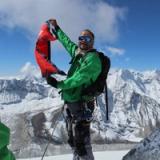
- What is the Gokyo Cho La Pass trek?
- Cho La Pass: what the crossing is actually like
- Gokyo Ri and the Gokyo Lakes
- Gokyo Ri (5,357m)
- The six Gokyo Lakes
- 16-day itinerary (Kathmandu to Kathmandu)
- How difficult is the Gokyo Cho La Pass trek?
- Altitude exposure
- Technical terrain
- Daily effort
- Who can do this trek?
- Fitness and training
- Gokyo Cho La Pass fitness requirements
- Training for Cho La Pass trek
- How much does the Gokyo Cho La Pass trek cost in 2026?
- Everest Base Camp Gokyo Cho La Pass trek cost breakdown
- Guide and porter costs
- Lukla flight costs
- Gokyo Cho La Pass trek permits cost
- What permits do you need?
- Best time for Gokyo Cho La Pass trek
- Autumn: the Gokyo Cho La Pass trek in October and November
- Spring: the Gokyo Cho La Pass trek in March, April and May
- When to avoid
- Gear list: what equipment do you need for Cho La Pass?
- Cho La Pass crossing essentials
- Clothing layers
- Sleeping bag rating Cho La Pass trek
- General trekking gear
- Altitude sickness on the Gokyo Cho La Pass trek
- How to acclimatize for Cho La Pass
- Cho La Pass helicopter rescue and insurance
- Do you need a guide for Cho La Pass?
- Solo trekking
- Comparisons
- Gokyo vs EBC
- Gokyo Cho La Pass vs Three Passes trek
- Cho La Pass vs Renjo La Pass
- Gokyo Cho La Pass trek vs Island Peak
- Gokyo Cho La Pass trek teahouse accommodation
- When should you book?
- Safety on the Cho La Pass crossing
- Temperature on the trail
- Frequently asked questions
- Related reading
What is the Gokyo Cho La Pass trek?
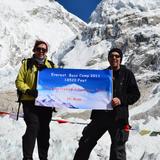
The Gokyo Cho La Pass trek is a 15 to 18 day high-altitude circuit in Nepal's Khumbu region that connects two of the Everest region's greatest objectives into one route. You walk from Lukla (2,840m) through the Gokyo Valley to the turquoise Gokyo Lakes, climb Gokyo Ri (5,357m) for sunrise views of four 8,000m peaks, cross the glaciated Cho La Pass at 5,420m, then descend to Lobuche and continue to Everest Base Camp (5,364m) and Kala Patthar (5,545m) before returning to Lukla. The route is also known as the Gokyo Chola Pass Everest Base Camp trek, the Everest Gokyo Cho La Pass trek, or simply the Cho La Pass trek depending on which operator you are looking at.
This is the most popular Everest region variant after the standard EBC route. The Everest Base Camp Cho La Pass Gokyo trek combines the Gokyo Lakes and Cho La Pass trek with the classic EBC itinerary. Some operators market it as the Everest circuit trek Gokyo Cho La or the Everest Base Camp Gokyo Ri Cho La Pass combined trek. Regardless of branding, the route is the same: Gokyo Lakes and Cho La Pass, then Everest Base Camp.
You can also think of this as the Everest Base Camp Gokyo Lake Cho La Pass combined trek, since the six Gokyo Lakes are the highlight that separates this route from the standard EBC path. The Gokyo Cho La Pass trek 2026 season runs from late September through mid-November (autumn) and late March through late May (spring). Most agencies sell a 16-day Gokyo Cho La Pass trek package from Kathmandu to Kathmandu.
Cho La Pass Nepal is located in the Solukhumbu District at 5,420m between Cho Oyu (8,188m) and Cholatse (6,440m). The Chola Pass trek Nepal spelling variation appears on many operator sites and is the same pass. The route from Gokyo to Everest Base Camp via Cho La Pass is what makes this trek distinct from the standalone Gokyo Lakes trek or the standalone EBC trek.
| Detail | Value |
|---|---|
| Duration | 15 to 18 days (16 standard) |
| Highest point | Kala Patthar, 5,545m |
| Highest pass | Cho La Pass, 5,420m (17,782ft) |
| Distance | 125 to 145 km |
| Difficulty | Difficult (strenuous) |
| Region | Everest (Khumbu), Sagarmatha National Park |
| Start/end | Lukla (flight from Kathmandu or Ramechhap) |
| Best months | October, November, April, May |
The Gokyo Cho La Pass EBC trek covers roughly 125-145 km of trail over 13 to 15 walking days, with daily averages of 6-8 hours. You ascend above 5,000m on three separate occasions: Gokyo Ri at 5,357m, Cho La Pass at Cho La Pass 5420m elevation, and Kala Patthar at 5,545m.
Cho La Pass: what the crossing is actually like
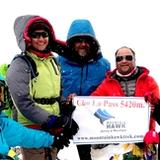
Cho La Pass (also spelled Chola Pass) is a glaciated mountain pass at 5,420m in Nepal's Solukhumbu District. It sits between Cho Oyu (8,188m) to the northwest and Cholatse (6,440m) to the south, connecting the Gokyo Valley on the west with the Khumbu Valley on the east. The Cho La Pass crossing is the most technically demanding section of the entire trek.
The crossing day is long. Most groups start from Dzongla (4,830m) or a camp near Thagnak at 4:30 to 5:30 am and reach the pass summit in 3-4 hours. The first section is a steep scramble over loose moraine and boulders. Above that, the Cho La Pass glacier crossing route goes across a compacted ice field lasting roughly 45 minutes to an hour, where the surface has occasional concealed crevasses. A Cho La Pass crevasse hazard is most present after fresh snowfall when thin snow bridges form over gaps. Fixed ropes are sometimes in place during peak season.
For anyone searching for Cho La Pass glacier crossing tips: start before 6:00 am, wear crampons or microspikes regardless of how firm the surface looks, stay roped if your guide carries one, and never cross alone in cloud. The Cho La Pass weather conditions can deteriorate within an hour at this altitude. Afternoon cloud buildup is predictable; sudden storms are not. From the top, the descent to Dzongla on the Lobuche side takes another 3-4 hours down a steep, rocky gully.
Total time: how long does it take to cross Cho La Pass? 7-9 hours from Thagnak/Dzongla to the other side. The glacier section itself takes 45 minutes to an hour. This is not a rest day. It is the hardest single day of the trek.
Cho La Pass avalanche risk exists on the western approach during heavy snowfall winters, particularly in December and January. The risk drops significantly in the prime trekking windows (October-November, April-May) when precipitation is low and the snowpack is stable.
Gokyo Ri and the Gokyo Lakes
Gokyo Ri (5,357m)
Gokyo Ri is a peak directly above Gokyo village (4,750m), reached by a steep 1.5-2 hour climb that most trekkers do before dawn. The Gokyo Ri altitude of 5,357m makes it one of the highest non-technical summits in the Khumbu. The question of Gokyo Ri altitude how difficult it is comes up often: the climb is steep but non-technical, with a marked trail the entire way. It is harder than walking to EBC but easier than the Cho La crossing. The Gokyo Ri altitude fitness requirement is moderate cardiovascular endurance and the ability to walk steeply uphill for 1.5-2 hours at altitude.
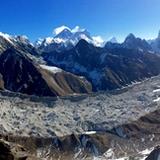
The summit offers a 360-degree panorama that includes Everest (8,849m), Lhotse (8,516m), Makalu (8,485m), and Cho Oyu (8,188m). That is four of the world's six highest peaks from a single viewpoint. The Gokyo Ri vs Kala Patthar debate is one of the most common questions about this trek, and the Gokyo Ri vs Kala Patthar views comparison comes down to this: from Kala Patthar you get the closest iconic close-up of Everest's southwest face, while from Gokyo Ri you get a wider panorama including the full Ngozumpa Glacier (Nepal's largest at 36 km) and the turquoise lakes below. If you are doing the Gokyo Cho La Pass trek via EBC, you summit both.
The six Gokyo Lakes
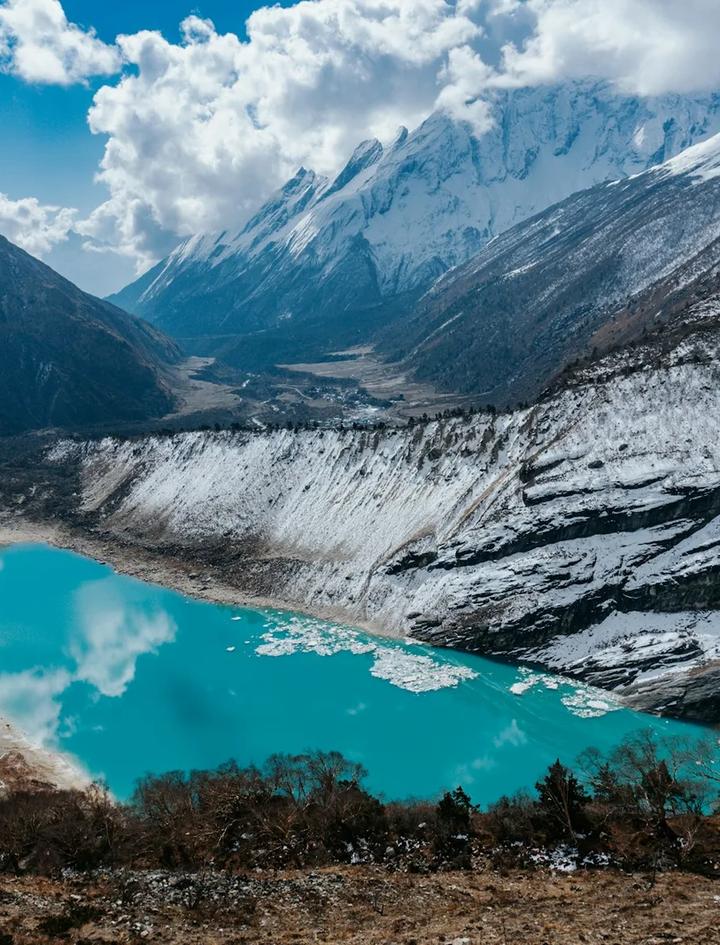
The Gokyo Lakes are six high-altitude glacial lakes between 4,700m and 4,990m, fed by meltwater from the Ngozumpa Glacier. They are a designated Ramsar Wetland of International Importance and sacred in both Hindu and Buddhist traditions. Their turquoise color is most vivid in morning light, which is part of why the Gokyo Lakes are among the best photography spots in the entire Khumbu. The Gokyo Lakes photography best spots include the third lake shore at dawn, the Gokyo Ri summit at sunrise, and the fourth lake (Thonak Tsho) reflecting Cho Oyu. For night shooters, the Gokyo Lakes astrophotography Milky Way conditions are exceptional: minimal light pollution at 4,800m with no artificial light sources for kilometers in any direction.
The standard trek itinerary visits the first three lakes. The third lake, Dudh Pokhari, is the largest at 43 hectares and sits beside Gokyo village where the teahouses cluster. Reaching the fourth, fifth, and sixth lakes requires an extra day north along the glacier.
16-day itinerary (Kathmandu to Kathmandu)
This is the standard Gokyo Cho La Pass itinerary sold by most operators, including Mountain Hawk Trek. The Gokyo Cho La Pass 16 days itinerary below follows the Gokyo-first direction, crossing Cho La eastward to reach EBC. Going Gokyo-first is preferred because it puts the acclimatization days before the glacier crossing, and the descent from EBC back to Lukla is faster than the ascent. The Gokyo Cho La Pass EBC trek itinerary and cost sections below cover both the day-by-day route and the Everest Base Camp Gokyo Cho La Pass itinerary day by day budget.
| Day | Route | Altitude | Hours | Notes |
|---|---|---|---|---|
| 1 | Fly Kathmandu to Lukla, trek to Phakding | 2,610m | 3-4h | Mountain flight (35 min) |
| 2 | Phakding to Namche Bazaar | 3,440m | 5-6h | Steep climb, first views of Everest |
| 3 | Acclimatization day in Namche | 3,440m | 3-4h | Hike to Everest View Hotel (3,880m) and return |
| 4 | Namche to Dole | 4,110m | 5-6h | Trail branches northwest toward Gokyo |
| 5 | Dole to Machhermo | 4,470m | 4-5h | Yak pastures, quieter valley |
| 6 | Machhermo to Gokyo | 4,750m | 4-5h | Pass first and second lakes |
| 7 | Gokyo Ri sunrise, rest afternoon | 5,357m summit | 3-4h | Summit Gokyo Ri at dawn, explore lakes |
| 8 | Gokyo to Thagnak | 4,390m | 4-5h | Or continue to Cho La base camp |
| 9 | Thagnak to Dzongla via Cho La Pass | 4,830m | 7-9h | Glacier crossing (crampons needed) |
| 10 | Dzongla to Lobuche | 4,940m | 2-3h | Short day, recovery from pass |
| 11 | Lobuche to Gorak Shep, hike to EBC | 5,164m (camp), 5,364m (EBC) | 7-8h | Everest Base Camp visit |
| 12 | Gorak Shep to Kala Patthar, descend to Pheriche | 5,545m summit, 4,371m sleep | 7-8h | Pre-dawn Kala Patthar summit, long descent |
| 13 | Pheriche to Namche Bazaar | 3,440m | 6-7h | Retracing the main EBC trail |
| 14 | Namche to Lukla | 2,840m | 6-7h | Final trekking day |
| 15 | Fly Lukla to Kathmandu | 1,400m | 35 min | Weather contingency buffer |
| 16 | Buffer day in Kathmandu | - | - | Lukla flights cancel often; this day absorbs delays |
The Gokyo Cho La Pass trek 16 days version above is the standard. The Gokyo Cho La Pass trek 15 days itinerary cuts the buffer day. The Gokyo Cho La Pass trek itinerary 15 days version is viable but leaves zero margin for Lukla flight cancellations. The Gokyo and EBC trek 15 day itinerary via Cho La Pass is what some budget operators sell, though the lack of a weather buffer is risky.
The Gokyo Cho La Pass EBC trek 18 days version adds an extra acclimatization day at Machhermo or Dingboche and a day to explore the fourth and fifth Gokyo Lakes. The 18-day itinerary significantly improves safety margins above 5,000m and is recommended for trekkers without prior high-altitude experience. Lukla to Gokyo Cho La Pass trek days in total is 13-15 walking days depending on which variant you choose.
For a shorter route that skips the Cho La crossing, the Gokyo Valley trek takes 12-15 days and is rated moderate. A Gokyo Cho La Pass trek map route showing the full loop is available from your agency at booking. The Gokyo Cho La Pass trek map follows the Dudh Koshi valley northwest to Gokyo, crosses east over Cho La, then joins the main EBC trail at Lobuche.
How difficult is the Gokyo Cho La Pass trek?
The Cho La Pass difficulty level is difficult, one notch above the standard EBC trek (moderate-difficult) and one notch below the Everest Three Passes trek (very difficult). The Gokyo Cho La Pass trek difficulty comes from three factors stacked together: sustained high altitude, a glaciated pass crossing, and multi-week duration. The Cho La Pass trek difficulty level is sometimes listed as "strenuous" by operators. The Cho La Pass difficulty is rated 4 out of 5 by most trekking agencies, and it is fair to call the Cho La Pass strenuous trek classification accurate by any standard.
Altitude exposure
You sleep above 4,000m for 8 or 9 consecutive nights. You cross 5,000m three times. At Cho La Pass altitude (5,420m), oxygen concentration is roughly 50% of sea level. At Kala Patthar (5,545m), it is slightly lower. Most trekkers feel the effects of altitude somewhere between Machhermo (4,470m) and Gokyo (4,750m): headache, shortness of breath, poor sleep, loss of appetite.
Technical terrain
Cho La is the only section of this trek that requires glacier equipment. The moraine approach is steep and loose. The glacier itself is compacted ice with potential crevasse hazards, especially later in the season or after fresh snowfall. In October, microspikes are usually sufficient. In November, March, or April, Cho La Pass crampons required means full 10 or 12-point crampons for consolidated snowpack. Is Cho La Pass hard? Yes. Is Cho La Pass dangerous? It carries genuine objective hazards, but thousands cross safely each season (more on safety below). Is Cho La Pass dangerous for trekkers with proper preparation and a guide? The risk drops substantially.
Daily effort
Walking days average 6-8 hours. The Cho La crossing day is 7-9 hours. How hard is Cho La Pass on a daily basis? The cumulative fatigue of 13-15 consecutive walking days at altitude is as demanding as the pass itself.
Who can do this trek?
Can beginners do Gokyo Cho La Pass trek? No. The Gokyo Cho La Pass trek for beginners is not recommended. Prior experience on a multi-day high-altitude trek above 4,000m is essential. The Annapurna Base Camp trek or Langtang Valley trek are good preparation. An Everest Cho La Pass trek for non-experts is possible if you have solid fitness and an experienced guide, but you should not attempt this as your first ever trek.
For a Cho La Pass vs Thorong La Pass difficulty comparison: Cho La Pass at 5,420m is almost identical in altitude to Thorong La Pass (5,416m on the Annapurna Circuit) but technically harder because of the glacier section. Thorong La is a graded trail with no ice. Cho La requires crampons and glacier awareness.
Fitness and training
Gokyo Cho La Pass fitness requirements
The Gokyo Cho La Pass trek fitness requirements are higher than for the standard EBC trek. How fit do you need to be for Cho La Pass? You should be able to walk 6-8 hours per day on consecutive days carrying an 8-10 kg daypack, ascend and descend 800-1,000m of elevation in a single day, handle cold and poor sleep for 8-9 nights above 4,000m, and walk on uneven rocky terrain and ice with crampons. Physical fitness for Cho La Pass means strong legs, cardiovascular endurance, and mental resilience.
Training for Cho La Pass trek
A Cho La Pass preparation guide should cover 8-12 weeks of progressive training. Here is a training for Cho La Pass trek plan:
Weeks 1-4: Build a base. Walk or hike 3-4 times per week, increasing from 1-2 hours to 3-4 hours per session. Add a loaded daypack (5-8 kg) by week 3. Include stair climbing or hill repeats twice per week.
Weeks 5-8: Build volume. One long hike per week (5-6 hours with pack). Two shorter sessions of 2-3 hours. Add interval training (fast uphill walking) once per week.
Weeks 9-12: Simulate trek days. One back-to-back weekend of 5-6 hour hikes. Practice with the boots and pack you will take. Reduce volume in the final week.
If you have never trekked above 4,000m, consider a shorter trek first. The Gokyo Valley trek (12 days, moderate, no pass crossing) is ideal preparation.
How much does the Gokyo Cho La Pass trek cost in 2026?
The Gokyo Cho La Pass trek cost ranges from USD 900 for an independent trekker to USD 2,500 or more for a luxury private departure. The Gokyo Cho La Pass trek cost 2026 prices from most guided operators sit between USD 1,300 and USD 1,775. The Cho La Pass trek cost 2026 has remained stable from 2025, with minor increases in Lukla flights and teahouse meals.
This Gokyo Cho La Pass trek cost complete budget guide covers every expense. Mountain Hawk Trek's Gokyo Cho La Pass trek via EBC is USD 1,775 for a 16-day all-inclusive package. The Gokyo Cho La Pass trek price per person varies by group size, season, and service level. The Everest Gokyo Cho La Pass trek package price from competitive Nepal operators ranges from USD 1,200 to USD 2,095.
Everest Base Camp Gokyo Cho La Pass trek cost breakdown
| Item | Budget | Standard | Premium |
|---|---|---|---|
| Agency package (guide, porter, meals, accommodation) | $900-1,100 | $1,200-1,500 | $1,800-2,500 |
| Kathmandu to Lukla flights (return) | $200-250 | $350-400 | $400-448 |
| Permits (Sagarmatha NP + Khumbu Municipality) | $40-50 | $40-50 | $40-50 |
| Gear rental (crampons, sleeping bag, poles) | $50-150 | $50-100 | Included |
| Personal spending (hot showers, charging, snacks) | $100-150 | $100-200 | $150-300 |
| Tips (guide + porter) | $100-150 | $120-180 | $150-250 |
| Travel insurance with helicopter evacuation | $80-150 | $80-150 | $80-150 |
| **Total per person** | **$1,470-2,000** | **$1,940-2,580** | **$2,700-3,700** |
The Cho La Pass trek price Nepal is lower than equivalent treks booked through Western agencies because Nepal-based operators eliminate markup layers. The Gokyo Cho La Pass trek budget for a standard guided experience is approximately USD 2,000-2,500 all-in when you add personal spending, tips, and insurance to the package price. The Gokyo EBC trek budget 2026 is comparable to 2025 pricing.
For budget travelers looking for a Nepal Everest Gokyo Cho La Pass trek cheap price, the Chola Pass trek 15 days price with a group-join departure starts around USD 1,200. Gokyo Cho La Pass trek independent trekking cost runs USD 900-1,100 total (flights, permits, food, lodging, self-arranged guide). The Gokyo Cho La Pass trek luxury vs budget price difference is roughly 2x, with luxury pricing driven by private helicopter transfers, premium lodges where available, and smaller guide-to-trekker ratios.
The Gokyo Lakes trek cost 2026 for the standalone Gokyo route (no Cho La, no EBC) runs USD 800-1,200, making the Cho La addition a USD 300-500 uplift for significantly more terrain and visual variety. The Gokyo Cho La Pass trek cost budget should include a contingency of USD 200-300 for unexpected costs: extra nights due to weather delays, emergency medical expenses, or gear replacement.
Guide and porter costs
The Gokyo Ri Cho La Pass guide hire cost is USD 30-35 per day for a licensed trekking guide including their food, accommodation, and insurance. A porter costs USD 20-25 per day carrying up to 25 kg. For a 16-day trek with one guide and one shared porter between two trekkers: USD 480-560 for the guide, USD 160-200 per person for the porter share. A Cho La Pass trek group join cost is typically 15-20% lower per person than a private departure because guide and porter costs are shared across the group. Tips are customary at USD 5-10 per day for a guide and USD 3-5 per day for a porter.
Lukla flight costs
Kathmandu to Lukla return flights cost USD 200-250 with Tara Air or Summit Air. During peak season (October, April-May), they sell out weeks in advance and last-minute tickets can hit USD 400-448. Ramechhap Airport (3.5-hour drive from Kathmandu) handles morning departures during busy periods at no extra ticket cost.
Gokyo Cho La Pass trek permits cost
The Gokyo Cho La Pass trek permits cost approximately USD 40-50 total. Two permits are required (detailed in the permits section below). If you book through an agency, permits are included in the package and the Gokyo Cho La Pass trek permits cost is absorbed into the quoted price.
What permits do you need?
The Gokyo Cho La Pass trek permits required are two: Sagarmatha National Park Entry Permit and Khumbu Pasang Lhamu Rural Municipality permit. Both Gokyo Cho La Pass trek permits 2026 can be obtained in Kathmandu or at trail checkpoints.
| Permit | Cost (foreigners) | Where to get it |
|---|---|---|
| Sagarmatha National Park permit cost 2026 | NPR 3,000 (~USD 23) | Nepal Tourism Board office in Kathmandu, or Monjo checkpoint |
| Khumbu Rural Municipality permit | NPR 2,000-3,000 (~USD 15-23) | Lukla or Monjo |
| **Total** | **~USD 40-50** |
TIMS (Trekkers' Information Management System) is not required in the Everest region. The Khumbu Rural Municipality operates its own trekker registration system that replaces it.
SAARC nationals pay reduced fees: NPR 1,500 for the Sagarmatha permit. Children under 10 enter free.
If you book through an agency like Mountain Hawk Trek, permits are arranged on your behalf and included in the package price.
Best time for Gokyo Cho La Pass trek
The best time to do Gokyo Cho La Pass trek is October (peak autumn) or April (peak spring). These two months offer the most stable weather, the clearest mountain views, and the safest conditions for the Cho La glacier crossing.
Autumn: the Gokyo Cho La Pass trek in October and November
The Gokyo Cho La Pass trek in October is peak season. Post-monsoon skies are consistently clear, daytime temperatures at Gokyo (4,750m) range from 5 to 12 degrees Celsius, and the full trail infrastructure (teahouses, guides, supplies) is operational. The glacier on Cho La is firm and walkable with microspikes. The tradeoff: popular teahouses fill up by afternoon, and Lukla flights are heavily booked. The Gokyo Cho La Pass trek in October November window is the busiest 6 weeks of the year.
The Gokyo Cho La Pass trek in November is viable but colder. Nighttime temperatures at Gokyo drop to -10 to -15 degrees, and fresh snowfall of 10-30cm on the pass becomes more likely. Crowds thin, teahouse prices may drop 10-20%, and the skies stay clear. Late November pushes toward Cho La Pass winter conditions.
Spring: the Gokyo Cho La Pass trek in March, April and May
The Gokyo Cho La Pass trek in April is the top spring month. Snow on Cho La is mostly consolidated, rhododendrons bloom below 4,000m, and temperatures are milder than October nights. The Gokyo Cho La Pass trek in spring is an excellent alternative to the autumn rush. The Gokyo Cho La Pass trek spring March April window offers less crowded trails with comparable views.
The Gokyo Cho La Pass trek in March can see heavy fresh snow from late-season storms. Cho La Pass in spring conditions snow ice varies week to week: March trails may still be icy, while April-May conditions are typically optimal. Cho La Pass snow October vs April: October usually has less fresh snow but firmer ice; April has more snowpack but warmer daytime temperatures that soften the surface.
When to avoid
Can you do Gokyo Cho La Pass trek in winter? It is possible but significantly harder. Cho La Pass closed winter periods are common from December through February when deep snowpack and ice block the route. A Cho La Pass closed situation means you retrace to Namche and take the standard EBC trail instead. Cho La Pass winter conditions include temperatures reaching -25 degrees with wind chill, partial or full teahouse closures above 4,500m, and a glacier surface that becomes genuinely technical.
Cho La Pass monsoon trekking (June through August) is not advisable. Heavy rainfall creates flash flood risk, the Cho La glacier becomes more unstable, leeches infest trails below 3,500m, and persistent cloud eliminates mountain views. The Khumbu region sits in a partial rain shadow but conditions are still poor for the pass crossing.
Gear list: what equipment do you need for Cho La Pass?
What gear is essential for Cho La Pass? The Gokyo Cho La Pass trek packing list is identical to a standard EBC packing list except for glacier equipment. Here is what equipment do I need for Cho La Pass and the trek overall.
Cho La Pass crossing essentials
Do I need crampons for Cho La Pass? Yes. Microspikes are adequate in October. Full crampons (10 or 12-point) are better in November through April when consolidated snowpack is present. Most trekkers rent in Namche Bazaar for USD 3-8 per day. If you rent, inspect the binding integrity before accepting. Buying chain microspikes in Kathmandu costs USD 30-60. Cho La Pass crampons required is the one gear item that separates this trek from standard EBC.
Other crossing essentials: trekking poles with basket tips, headlamp with fresh batteries (you start at 5:00 am in the dark), UV-400 glacier sunglasses or snow goggles, gaiters for snow above the knee, emergency whistle, and space blanket.
Clothing layers
Down jacket rated to -15 degrees Celsius minimum. Waterproof-insulated gloves (inner fleece plus outer shell). Balaclava or neck gaiter. Moisture-wicking base layers. Fleece or insulated mid-layer. Waterproof outer shell (jacket and pants). Two pairs of thermal hiking socks rotating.
Sleeping bag rating Cho La Pass trek
What sleeping bag rating do you need? A sleeping bag rated to -15 (comfort) to -20 degrees Celsius (limit). Teahouse rooms at Gokyo and Gorak Shep are uninsulated; nighttime temperatures inside rooms can reach -5 to -8 degrees. A -10 rating is the absolute minimum. A silk or fleece liner adds 3-5 degrees. Down bags (800+ fill power) pack smaller than synthetic. Rentals available in Kathmandu and Namche for USD 2-5 per day.
General trekking gear
40-50L daypack (limit to 8-10 kg on the Cho La crossing day), water purification (tablets or UV pen), sunscreen SPF 50+, lip balm, first aid kit with blister care, Diamox (acetazolamide), ibuprofen, and diarrhea medication.
See our trekking permits guide for the permit documentation to carry, and our altitude sickness guide for the medication and acclimatization protocol.
Altitude sickness on the Gokyo Cho La Pass trek
Cho La Pass altitude sickness is the primary medical risk on this trek. You spend 8-9 consecutive nights above 4,000m and cross above 5,000m three times. Cho La Pass altitude sickness symptoms range from mild (headache, nausea, dizziness, loss of appetite, poor sleep) to severe and life-threatening (HAPE: fluid in the lungs, persistent cough, breathlessness at rest; HACE: brain swelling, confusion, loss of coordination).
How to acclimatize for Cho La Pass
The acclimatization schedule Gokyo Cho La Pass trek builds in two dedicated rest days: one in Namche Bazaar (3,440m, Day 3) and one in Gokyo (4,750m, Day 7). These follow the "climb high, sleep low" principle.
Additional protocols: ascend no more than 300-500m net altitude gain per sleeping night above 3,000m. Stay hydrated at 3-4 liters per day. Avoid alcohol above 4,000m. Carry Diamox (acetazolamide, 125-250mg twice daily) as a prophylactic.
Cho La Pass helicopter rescue and insurance
Cho La Pass helicopter rescue from the Khumbu costs USD 3,000-5,000 per evacuation. Helicopter rescue insurance Gokyo Cho La Pass is non-negotiable. Your travel insurance Cho La Pass trek altitude coverage must specifically include trekking above 5,000m (many standard policies cap at 4,000m), helicopter evacuation, trip cancellation due to Lukla flight disruption, and emergency medical treatment. Verify the altitude ceiling: some adventure policies cap at 5,500m, which only marginally covers Kala Patthar at 5,545m.
Mobile phone coverage Gokyo Cho La Pass trek: NCell and Nepal Telecom provide 4G/3G coverage in Namche Bazaar, Tengboche, Dingboche, and Gorak Shep. Coverage is patchy or absent on the Gokyo side above Machhermo (4,470m) and on the Cho La Pass crossing. WiFi is available at most teahouses for NPR 200-500 per session. Do not rely on mobile connectivity for emergency communication above Namche.
Do you need a guide for Cho La Pass?
A guide is not legally required. The Gokyo Cho La Pass trek without guide 2026 is permitted under current Nepal trekking regulations. Cho La Pass without a guide is legal, but it is strongly inadvisable.
The glacier section has no trail markings. In cloud or fresh snow, route-finding is difficult. A licensed guide with GPS tracks and local knowledge identifies safe lines across crevasse zones, monitors weather, and responds to altitude sickness faster than a solo trekker can self-manage. The Gokyo Cho La Pass trek guide from a reputable agency knows current conditions from radio contact with teahouse operators on both sides of the pass.
Daily guide cost is USD 30-35. For a 16-day trek, that is USD 480-560.
Solo trekking
The EBC Gokyo Cho La Pass trek solo is possible. Solo permits are available in the Everest region. The Gokyo Cho La Pass trek solo experience on the main trail is well-trafficked during peak season, with teahouses every few hours. Gokyo Cho La Pass trek solo woman safety is comparable to the standard EBC route: the trail is busy in October and April, teahouse owners are accustomed to solo female trekkers, and the Khumbu is generally considered safe. The one concern is the Cho La crossing itself, where a solo trekker without glacier experience faces genuine risk. Consider joining a group just for the crossing day, even if you trek independently otherwise.
Comparisons
Gokyo vs EBC
The simplest question: Gokyo vs EBC, which is better? The standard Everest Base Camp trek takes 12-14 days, covers 130 km, and is rated moderate-difficult. The Gokyo Cho La Pass variant adds the Gokyo Valley, Gokyo Ri, the six glacial lakes, and the Cho La glacier crossing.
The Gokyo Lakes vs EBC trek comparison comes down to what you value. Gokyo Lakes vs Everest Base Camp which is better depends on whether you want the iconic "I stood at EBC" experience (standard route) or a more varied, less crowded route with arguably better views (Gokyo Cho La). The EBC with Gokyo Lake vs standard EBC trek answer is that the combined route gives you both destinations for 2-3 extra days and USD 300-400 more.
| Factor | Standard EBC | Gokyo Cho La Pass EBC |
|---|---|---|
| Duration | 12-14 days | 15-17 days |
| Highest point | Kala Patthar, 5,545m | Kala Patthar, 5,545m |
| Pass crossing | None | Cho La Pass, 5,420m |
| Viewpoints | Kala Patthar | Gokyo Ri + Kala Patthar |
| 8,000m peaks visible | 2 | 4 |
| Difficulty | Moderate-difficult | Difficult |
| Cost (guided) | $1,000-1,500 | $1,300-1,800 |
Gokyo Cho La Pass vs Three Passes trek
The Gokyo Cho La Pass vs Three Passes trek comparison: the Everest Three Passes trek crosses Renjo La (5,345m), Cho La (5,420m), and Kongma La (5,545m) in 18-22 days. The Gokyo Cho La Pass trek vs Everest Three Passes trek difference is two extra passes, 4-6 extra days, and USD 300-400 more. The Everest Three Passes vs Gokyo Cho La two passes route comparison shows the Gokyo Cho La option as the sweet spot between standard EBC and the full three-pass circuit. The normal EBC with Gokyo trek vs Everest Three Passes trek debate usually comes down to available time and fitness: 16 days vs 20+ days.
Cho La Pass vs Renjo La Pass
Cho La Pass vs Renjo La Pass: Cho La (5,420m) is harder. Cho La involves a glacier crossing with crevasse hazards. Renjo La (5,345m) is a rocky trail pass without ice. The Cho La Pass vs Renjo La Pass difficulty comparison favors Renjo La for less experienced trekkers, but Cho La connects you directly to the EBC trail. Cho La Pass vs Thorong La Pass: almost identical altitude (5,420m vs 5,416m) but Cho La is technically harder because of the glacier.
Gokyo Cho La Pass trek vs Island Peak
The Gokyo Cho La Pass trek vs Island Peak comparison is a step up in technical difficulty. Island Peak (6,189m) involves roped climbing, fixed lines, and cramponed ascent of a steep ice wall. The Gokyo Cho La Pass trek is a trekking route with one glacier section; Island Peak is a mountaineering objective. Different category entirely.
Gokyo Cho La Pass trek teahouse accommodation
The Gokyo Cho La Pass trek teahouse accommodation is basic but functional. You sleep in small mountain lodges with twin rooms, shared bathrooms, a common dining room, and meals. No camping is required on the standard route.
Below 4,000m (Namche, Phakding), rooms are clean and relatively warm. Above 4,000m (Machhermo, Gokyo, Dzongla, Gorak Shep), rooms have thin walls, a foam mattress, a blanket, and pit toilets. Bring your sleeping bag.
Gokyo village has 6-8 teahouses. Dzongla has 3-4. During peak October season, Dzongla teahouses fill by early afternoon. Arrive by 2:00 pm or coordinate with your guide to reserve ahead.
Meals above 4,000m cost USD 8-12 per plate. Dal bhat (rice, lentils, vegetables) is the most nutritious and cost-effective option at USD 5-8 with unlimited refills at most lodges.
When should you book?
Book Lukla flights and a guide 4-8 weeks ahead for October and April-May. Contact agencies 6-8 weeks before departure to secure a licensed guide with glacier experience. Last-minute bookings in peak season frequently result in unavailable guides or overpriced flights.
Safety on the Cho La Pass crossing
Is Cho La Pass dangerous? Cho La Pass carries genuine objective hazards. Cho La Pass dangerous conditions include icy glacier surfaces with concealed crevasses, loose moraine on the approach, rapid weather deterioration at 5,400m, and avalanche risk during heavy snowfall. Cho La Pass weather conditions change quickly at this altitude.
Statistically, the pass is crossed safely thousands of times each season. Fatalities are rare and almost always linked to inadequate acclimatization, disorientation in bad weather, or falls on the descent gully.
Risk mitigation: start before 6:00 am, wear crampons on the glacier section, hire a guide for the crossing day at minimum, check weather and pass conditions at teahouses the evening before, carry basic safety gear (headlamp, whistle, space blanket), and turn back if visibility drops to zero.
Temperature on the trail
At Cho La Pass (5,420m) on a crossing day in October, dawn temperatures range from -10 to -15 degrees with wind chill reaching -20 degrees. At Gokyo (4,750m) in October, daytime highs reach 5-12 degrees while nights drop to -10 to -15 degrees. In spring, Gokyo nights hover around -5 to -10 degrees.
Frequently asked questions
How long does the Gokyo Cho La Pass trek take? 16 days from Kathmandu to Kathmandu is standard. Walking days total 13-15. The shortest viable version is 15 days; 18 days adds acclimatization time and is safer for trekkers without prior high-altitude experience.
How long does it take to cross Cho La Pass? 7-9 hours from Thagnak or Dzongla to the other side. The glacier section at the top takes 45 minutes to an hour. Most groups start at 5:00-5:30 am.
Can I do this trek solo? Solo permits are available. You do not need to hire a guide by law. The Cho La glacier crossing is strongly inadvisable without glacier experience or a knowledgeable companion.
Is the Gokyo Cho La Pass trek the same as the Everest circuit trek? Some operators use "Everest circuit" or "Everest Gokyo Cho La" to describe this route. The full Everest circuit (all three passes) is a different, longer trek.
What happens if Cho La Pass is closed? The pass closes during heavy snowfall, typically December through February and occasionally after storms in November or March. You wait a day (snow often clears in 24-48 hours) or retrace to Namche and take the standard EBC trail instead.
Related reading
- Gokyo Valley Trek Complete Guide: the Gokyo Lakes route without the Cho La crossing
- Everest Base Camp Trek Complete Guide: the standard EBC route for comparison
- EBC vs. Annapurna Base Camp Trek: choosing between the two most popular Nepal treks
- Trekking Permits Guide: full permit details for all Nepal regions
- Altitude Sickness Guide: AMS, HAPE, HACE prevention and treatment