
- What is the Gokyo Valley trek?
- The six Gokyo Lakes
- Gokyo Ri: four 8,000m peaks from one summit
- Gokyo vs Everest Base Camp: which should you choose?
- Gokyo Ri vs Kala Patthar: which Everest viewpoint wins?
- Day-by-day itinerary (15 days)
- Difficulty and fitness
- Best time to trek Gokyo Valley
- Cost and budget
- Permits
- Acclimatization strategy
- Accommodation and food on the trail
- Packing list
- Extension options: Cho La, Renjo La, Three Passes
- Gokyo to Everest Base Camp via Cho La Pass
- Renjo La Pass
- Everest Three Passes Trek
- Booking a guided trek vs going solo
- Frequently asked questions
Related Tour (toast): tour-gokyo-valley-trek
Related Tours: tour-gokyo-valley-trek, tour-everest-base-camp-trek, tour-everest-three-passes-trek
The Gokyo Valley trek is a 12 to 15 day route in Nepal's Everest region that passes six turquoise glacial lakes, crosses the Ngozumpa Glacier (Nepal's largest), and climbs Gokyo Ri (5,357m) for views of four of the world's six highest peaks including Everest. It sees roughly one-fifth the trekker traffic of the classic Everest Base Camp route. The trek costs $1,500 to $2,000 guided, requires a Lukla flight, and is rated moderate difficulty.
The Gokyo Valley trek is a 12 to 15 day route in Nepal's Everest region that passes six turquoise glacial lakes, crosses the Ngozumpa Glacier (Nepal's largest), and climbs Gokyo Ri (5,357m) for views of four of the world's six highest peaks including Everest. It sees roughly one-fifth the trekker traffic of the classic Everest Base Camp route. The trek costs $1,500 to $2,000 guided, requires a Lukla flight, and is rated moderate difficulty.
What is the Gokyo Valley trek?
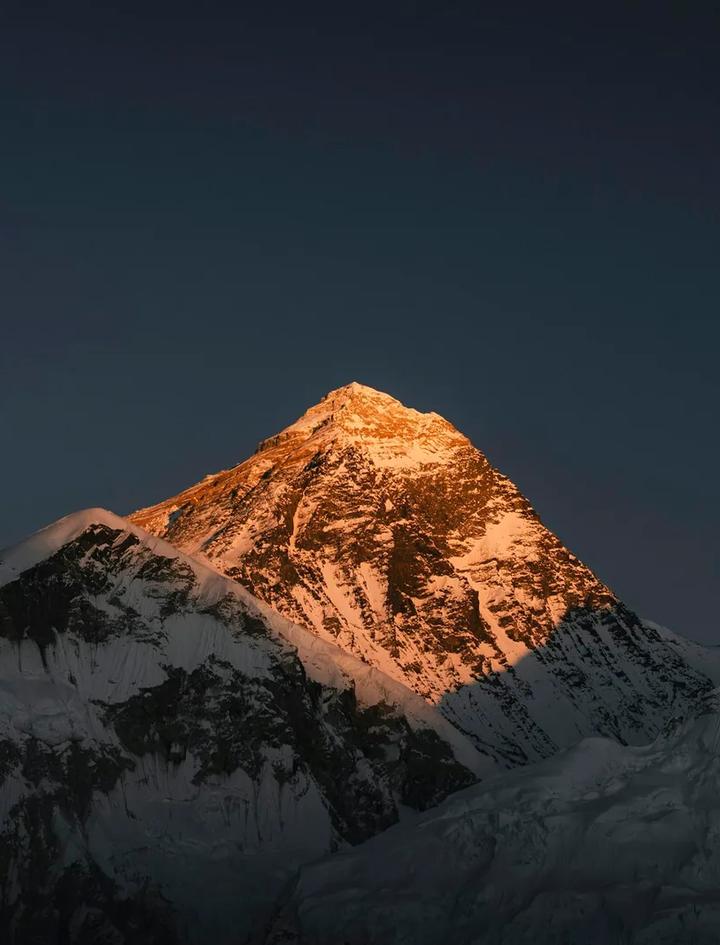
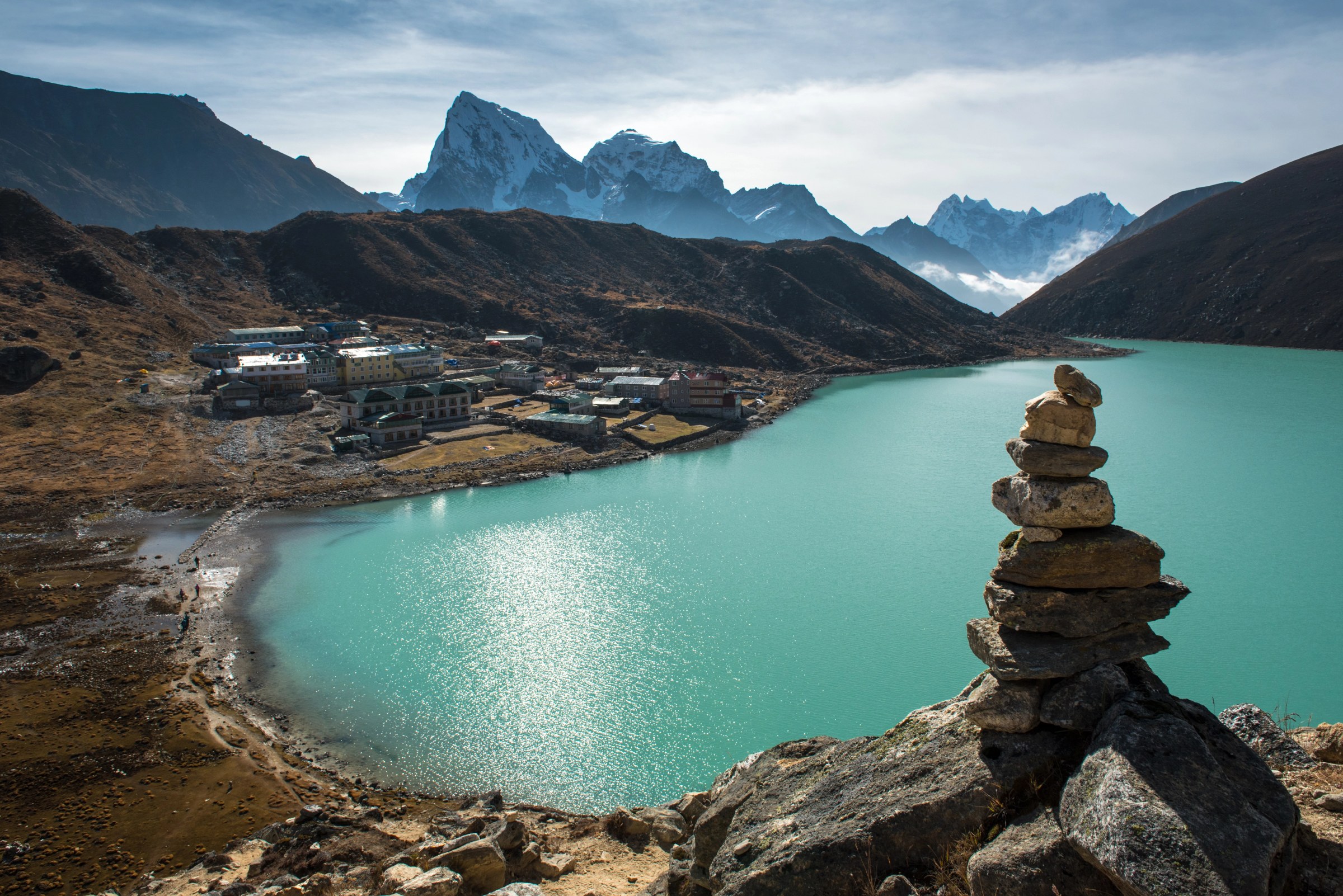
The Gokyo Valley trek follows the Dudh Koshi river valley northwest from Lukla into the upper Khumbu, ending at the village of Gokyo (4,790m) on the shore of the third and largest Gokyo lake. From Gokyo, trekkers climb Gokyo Ri (5,357m) for a sunrise panorama that includes Everest (8,849m), Lhotse (8,516m), Makalu (8,485m), and Cho Oyu (8,188m).
The route shares its first three days with the Everest Base Camp trail (Lukla to Namche Bazaar) before branching northwest at Namche. From that fork onward, you are on a different trail through a different valley. Trekker traffic drops immediately.
Key facts:
| Detail | Value |
|---|---|
| Duration | 12 to 15 days (Kathmandu to Kathmandu) |
| Highest point | Gokyo Ri, 5,357m |
| Sleeping altitude | Gokyo village, 4,790m |
| Difficulty | Moderate |
| Region | Everest (Khumbu), Sagarmatha National Park |
| Start/end | Lukla (flight from Kathmandu or Ramechhap) |
| Distance | Approximately 110km round trip |
| Best months | October, November, March, April |
The trek does not visit Everest Base Camp. It visits the Gokyo lakes system, the Ngozumpa Glacier, and a summit viewpoint that many trekkers (and many guides) consider superior to Kala Patthar for mountain photography.
The six Gokyo Lakes
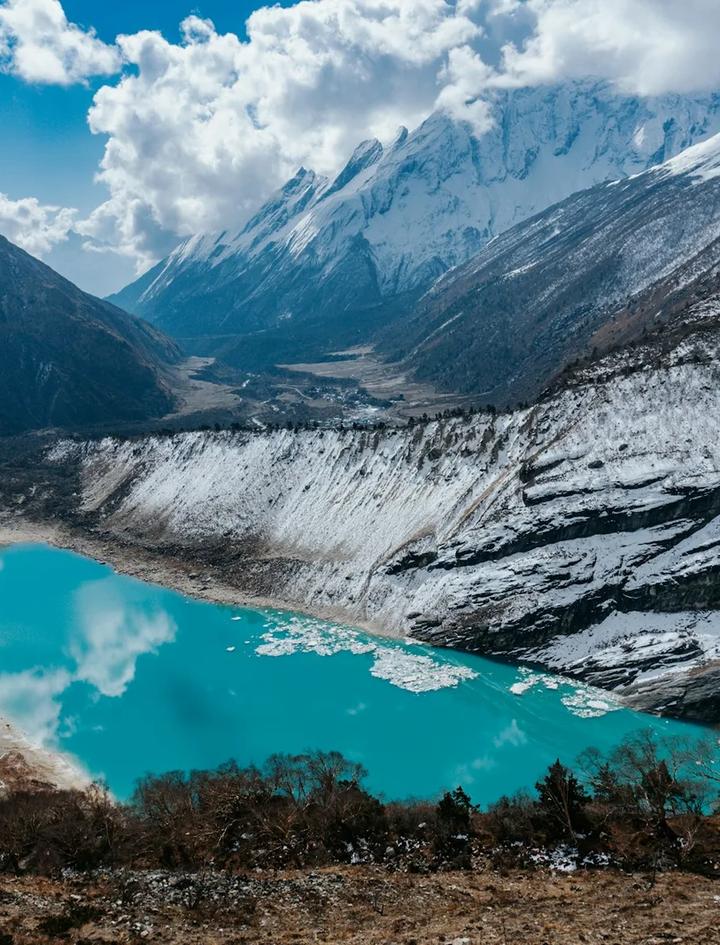
The Gokyo lake system is the highest freshwater lake system in the world, sitting between 4,700m and 5,000m at the foot of the Ngozumpa Glacier. The lakes are fed by glacial meltwater and snowmelt, which gives them their distinctive turquoise color. In 2007, Nepal designated the system a Ramsar Wetland of International Importance.
There are six named lakes. The standard trek visits the first three. Reaching the fourth, fifth, and sixth requires an additional 1 to 2 days beyond Gokyo village.
| Lake | Local Name | Altitude | Size | Notes |
|---|---|---|---|---|
| First Lake | Longponga Tsho | 4,650m | Smallest | Passed on the trail approaching Gokyo |
| Second Lake | Taboche Tsho | 4,710m | Small | 10-minute walk past First Lake |
| Third Lake | Dudh Pokhari | 4,750m | Largest (43 hectares) | Gokyo village sits on its eastern shore |
| Fourth Lake | Thonak Tsho | 4,820m | Second largest | 2-hour walk north from Gokyo, along the glacier |
| Fifth Lake | Ngozumpa Tsho | 4,990m | Medium | Remote, few trekkers reach it |
| Sixth Lake | Gyazumpa Tsho | 5,010m | Smallest of the upper lakes | Rarely visited, near the Cho Oyu base area |
Why are the Gokyo lakes blue? The turquoise color comes from suspended glacial flour (rock particles ground fine by the Ngozumpa Glacier) that scatters light at short wavelengths. The color is most intense in autumn when glacial melt is steady and the water is clear of monsoon sediment.
The sacred lakes. Both Hindu and Buddhist traditions consider the Gokyo lakes sacred. During Janai Purnima (the full moon festival in August), Hindu pilgrims trek to Dudh Pokhari for ritual bathing, despite the altitude and monsoon weather. Buddhist Sherpa communities regard the lakes as places of spiritual power and have maintained a prohibition on fishing.
Gokyo Ri: four 8,000m peaks from one summit
Gokyo Ri is a rocky hill (5,357m) that rises directly above Gokyo village. It is not a technical climb. The ascent takes 2 to 3 hours on a steep but straightforward trail with no ropes, no ladders, and no glacier crossings. Most trekkers leave Gokyo village between 4:00 and 4:30 AM to reach the summit for sunrise.
What you see from the top:
| Peak | Altitude | Direction | Distance |
|---|---|---|---|
| Everest (Sagarmatha) | 8,849m | East-northeast | ~28km |
| Lhotse | 8,516m | East | ~25km |
| Makalu | 8,485m | East-southeast | ~40km |
| Cho Oyu | 8,188m | North-northwest | ~18km |
Four of the world's six highest mountains, visible from a single non-technical summit. The only other viewpoint in the Khumbu that comes close is Kala Patthar (5,644m), and Kala Patthar shows primarily Everest and Nuptse from much closer range. Gokyo Ri trades proximity for breadth.
Below the peaks, the Ngozumpa Glacier stretches 36km south from the base of Cho Oyu, its surface covered in moraines and debris. The turquoise lakes line its western edge. On a clear morning, you can see all six from the summit.
The climb itself. The trail starts from the north end of Gokyo village and goes straight up. No switchbacks for the first 30 minutes, then a rocky ridge with scattered cairns. The final 200m of elevation gain involves scrambling over loose rock. In winter, ice can coat the upper section and microspikes help. In autumn, the trail is dry.
Sunrise at Gokyo Ri happens around 6:00 AM in October. The light hits Everest's west face first, then sweeps across Lhotse and down to the glacier. The golden hour lasts about 40 minutes. After that, the peaks shift to flat white and the photo window closes.
Gokyo vs Everest Base Camp: which should you choose?
This is the question that drives most of the decision-making for trekkers headed to the Khumbu. Both treks start from Lukla, share the trail to Namche Bazaar, and cost roughly the same. After that, they are different experiences.
| Factor | Gokyo Valley Trek | Everest Base Camp Trek |
|---|---|---|
| Duration | 12 to 15 days | 12 to 14 days |
| Highest point | 5,357m (Gokyo Ri) | 5,364m (Kala Patthar) |
| Sleeping altitude | 4,790m | 5,164m (Gorak Shep) |
| Crowds | Low (roughly 1/5 of EBC traffic) | Very high in peak season |
| Summit view | 4 peaks over 8,000m | Everest close-up + Nuptse wall |
| What you walk to | Glacial lakes, glacier, summit viewpoint | Everest Base Camp (tent city in season) |
| Glacier crossing | Walk alongside Ngozumpa Glacier | Walk across Khumbu Glacier moraine |
| Teahouses | Fewer, simpler, quieter | More, busier, better equipped |
| Difficulty | Moderate | Moderate to strenuous |
| Cost (MHT guided) | $1,775 / 15 days | $1,775 / 14 days |
Choose Gokyo if: you want fewer trekkers, a wider mountain panorama from Gokyo Ri, the glacial lakes experience, and you do not need to stand at the Everest Base Camp sign.
Choose EBC if: standing at the base of Everest matters to you, you want the classic Khumbu experience with more infrastructure along the trail, or you plan to extend to Island Peak or Cho La Pass.
You can do both. The Gokyo Cho La Pass trek crosses from Gokyo to Everest Base Camp via the Cho La Pass (5,420m), combining both destinations in 17 to 20 days. Mountain Hawk Trek runs this as a separate package. See the Extensions section below.
Gokyo Ri vs Kala Patthar: which Everest viewpoint wins?
Both are non-technical summit viewpoints in the Khumbu. Both are done as pre-dawn hikes for sunrise. The experience is different enough that trekkers who do both rarely regret either.
| Factor | Gokyo Ri (5,357m) | Kala Patthar (5,644m) |
|---|---|---|
| Peaks visible over 8,000m | 4 (Everest, Lhotse, Makalu, Cho Oyu) | 2 (Everest, Lhotse) |
| Everest proximity | ~28km | ~8km |
| Everest face visible | West face | South and southwest face |
| Climb duration | 2 to 3 hours | 2 to 3 hours |
| Altitude gain from camp | ~570m (from 4,790m) | ~480m (from 5,164m) |
| Lakes visible | Yes, all 6 Gokyo lakes + Ngozumpa Glacier | No |
| Crowds at summit | Low | High in peak season |
| Difficulty | Moderate scramble, loose rock | Moderate, steep switchbacks |
Gokyo Ri gives you four 8,000m peaks plus the lake-and-glacier panorama below. Kala Patthar puts you face-to-face with the south wall of Everest at close range.
If you care about the widest possible panorama, Gokyo Ri wins. If you want the most dramatic single-mountain view (Everest filling your entire field of vision), Kala Patthar wins. Photographers who have been to both generally rate Gokyo Ri higher for variety and Kala Patthar higher for the money shot of Everest.
Day-by-day itinerary (15 days)
This is Mountain Hawk Trek's standard 15-day Gokyo Valley itinerary. It includes two acclimatization days and a rest day before the Gokyo Ri summit push.
| Day | Route | Altitude | Hours | Notes |
|---|---|---|---|---|
| 1 | Arrive Kathmandu | 1,400m | Transfer to hotel | |
| 2 | Fly to Lukla, trek to Phakding | 2,610m | 3 to 4 hrs | Flight 25 min, easy valley walk |
| 3 | Phakding to Namche Bazaar | 3,440m | 5 to 6 hrs | Steep climb after the Hillary Bridge |
| 4 | Acclimatization day in Namche | 3,440m | Half-day hike | Hike to Everest View Hotel (3,880m) and back |
| 5 | Namche to Phortse Thanga | 3,680m | 4 to 5 hrs | Leave the EBC trail, head northwest |
| 6 | Phortse Thanga to Machhermo | 4,470m | 5 to 6 hrs | Climbing steadily, yak pastures |
| 7 | Acclimatization day in Machhermo | 4,470m | Half-day hike | Short hike up the ridge for views |
| 8 | Machhermo to Gokyo | 4,790m | 4 to 5 hrs | Pass First and Second lakes, arrive at Third Lake |
| 9 | Gokyo Ri summit and rest | 5,357m | 5 to 6 hrs | Pre-dawn start, summit sunrise, descend to Gokyo |
| 10 | Explore Fourth and Fifth Lakes | 4,990m | 5 to 7 hrs | Day hike north along the glacier |
| 11 | Gokyo to Dole | 4,200m | 4 to 5 hrs | Descend through the valley |
| 12 | Dole to Namche Bazaar | 3,440m | 5 to 6 hrs | Rejoin the main trail |
| 13 | Namche to Lukla | 2,860m | 6 to 7 hrs | Long descent day |
| 14 | Fly Lukla to Kathmandu | 1,400m | Weather contingency day built in | |
| 15 | Departure from Kathmandu | Transfer to airport |
Day 14 is a weather buffer. Lukla flights cancel frequently due to cloud cover, wind, or poor visibility. Having a spare day built into the itinerary means a cancelled flight does not wreck your international connection. If the flight goes on schedule, Day 14 becomes a free day in Kathmandu.
Shorter itineraries. A 12-day version cuts the acclimatization day in Machhermo and the Fourth/Fifth Lake excursion. This works for fit, altitude-experienced trekkers but increases AMS risk. A helicopter return from Lukla to Kathmandu (or directly from Gokyo in some packages) can shave 1 to 2 days.
Difficulty and fitness
The Gokyo Valley trek is rated moderate. It is harder than Poon Hill or Mardi Himal, comparable to Annapurna Base Camp, and easier than the Three Passes trek or Everest Base Camp via Cho La.
What makes it moderate, not easy:
- Altitude. You sleep at 4,790m and climb to 5,357m. Above 4,000m, every step takes more effort. Headaches, nausea, and breathlessness are common even with proper acclimatization.
- Duration. 12 to 15 days of consecutive trekking. You need sustained fitness, not sprint fitness.
- Gokyo Ri. The pre-dawn summit push gains 570m on a steep, rocky trail in thin air. It is the hardest single day of the trek.
- Terrain. The trail between Machhermo and Gokyo includes rocky moraine walking alongside the glacier. Not technical, but uneven and tiring.
What keeps it from being strenuous:
- No pass crossings. The standard Gokyo trek does not cross Cho La or Renjo La. You walk up a valley and walk back down.
- Gradual altitude gain. The itinerary gains altitude slowly with two built-in acclimatization days.
- Teahouse trek. You carry only a daypack. Your porter handles the heavy bag. Teahouses provide beds, meals, and shelter.
Can beginners do the Gokyo trek? Yes, with preparation. You need 8 to 12 weeks of cardiovascular training (hiking, running, stair climbing) before the trek. The Gokyo Ri summit day is demanding, but the rest of the trek is steady walking at altitude. If you can hike 6 hours carrying a daypack and handle steep uphill sections without stopping every 50 meters, you are fit enough.
Training suggestion. 3 to 4 sessions per week: 2 cardio (running, cycling, swimming) plus 1 to 2 hikes with elevation gain. Stair climbing with a loaded pack (8 to 10kg) is the single best preparation for altitude trekking. Aim for 60 to 90 minutes of continuous uphill walking per session by the final 4 weeks.
Best time to trek Gokyo Valley
| Season | Conditions | Recommendation |
|---|---|---|
| October to November | Clear skies, dry trails, cold nights (-10 to -15 at Gokyo). Peak season. | Best overall. October for views, November for fewer crowds. |
| March to April | Warming, possible haze, snow patches above 4,500m in early March. Spring season. | Second best. Rhododendrons bloom below Namche. |
| May | Pre-monsoon haze, afternoon clouds, still viable in first 2 weeks. | Acceptable for experienced trekkers. |
| December to February | Very cold (-20 at Gokyo), clear skies, empty trail, some lodges closed. | Winter trek. Need full cold-weather gear. |
| June to September | Monsoon. Heavy rain below 4,000m, clouds obscure views, trail muddy, leeches. | Not recommended. |
October is the most popular month. The post-monsoon atmosphere gives the clearest possible views from Gokyo Ri. November is almost as clear and noticeably quieter.
The Lukla flight is weather-dependent year-round but most prone to cancellation during monsoon (June to September) and in winter fog (December to January). Build in at least one buffer day.
Cost and budget
| Cost Component | Amount | Notes |
|---|---|---|
| Lukla flight (round trip) | $350 to $400 | Kathmandu-Lukla or Ramechhap-Lukla |
| Sagarmatha National Park permit | NPR 3,000 ($23) | Foreign trekker rate |
| Khumbu Pasang Lhamu Rural Municipality fee | NPR 2,000 ($15) | Required since 2023 |
| TIMS card | NPR 2,000 ($15) | |
| Guide (per day) | $30 to $45/day | Higher than Annapurna due to remoteness |
| Porter (per day) | $20 to $30/day | One porter per two trekkers |
| Accommodation | NPR 400 to 1,000/night ($3 to $8) | Rises with altitude |
| Food | $15 to $25/day | Higher in Khumbu than Annapurna |
| Tips | $100 to $180 total | Guide + porter |
| Extras (shower, wifi, charging) | $80 to $150 total |
Total cost, guided package: $1,500 to $2,000 per person. Mountain Hawk Trek runs the Gokyo Valley Trek at $1,775 for 15 days, including the Lukla flight, all permits, guide, porter, meals, and accommodation.
Why is Gokyo more expensive than Annapurna treks? The Lukla flight adds $350 to $400 that Annapurna treks (which start from road-accessible Pokhara) do not have. Food and accommodation in the Khumbu are also 20 to 30 percent higher than the Annapurna region because everything above Lukla arrives by porter or helicopter. Remove the flight cost and the per-day trekking expense is comparable.
Independent trekking cost: $800 to $1,200 for 12 to 15 days, covering flight, permits, food, and accommodation but no guide or porter. Nepal's mandatory guide rule applies in Sagarmatha National Park. See the Permits section.
Permits
Three permits are required for the Gokyo Valley trek. All are available in Kathmandu (at the Nepal Tourism Board office) or in Lukla/Monjo on the trail. Your guide handles the paperwork if you are on a package.
| Permit | Cost (Foreign) | Cost (SAARC) | Where to Get |
|---|---|---|---|
| Sagarmatha National Park entry | NPR 3,000 ($23) | NPR 1,500 ($11) | Kathmandu or Monjo gate |
| Khumbu Pasang Lhamu Rural Municipality | NPR 2,000 ($15) | NPR 500 ($4) | Lukla or Namche |
| TIMS card | NPR 2,000 ($15) | NPR 600 ($5) | Kathmandu or Lukla |
| **Total** | **NPR 7,000 ($53)** | **NPR 2,600 ($20)** |
Do you need a guide for the Gokyo trek? Nepal's 2023 mandatory guide rule requires foreign trekkers to have a licensed guide in national parks and conservation areas. Sagarmatha National Park falls under this rule, and enforcement at the Monjo checkpoint (below Namche) is consistent. Unlike some Annapurna checkpoints, you are likely to be turned back here without guide documentation.
Acclimatization strategy
The Gokyo Valley trek takes you from Lukla (2,860m) to Gokyo Ri (5,357m), a gain of 2,497m over 7 trekking days. Proper acclimatization is the difference between a good trek and a miserable one.
The standard itinerary includes two dedicated acclimatization days:
Day 4: Namche Bazaar (3,440m). Hike up to the Everest View Hotel at 3,880m, spend an hour, return to Namche. This "climb high, sleep low" pattern trains your body to produce more red blood cells. Do not skip this day, even if you feel fine.
Day 7: Machhermo (4,470m). Another rest day with a short hike to the ridgeline above the village. By this point your body has had 6 days to adjust from 2,860m to 4,470m. You should be acclimatized enough for the push to Gokyo (4,790m) and Gokyo Ri (5,357m) over the next two days.
Signs of altitude sickness to watch for: headache that does not respond to ibuprofen, persistent nausea, dizziness, trouble sleeping, loss of appetite. Mild symptoms (headache, mild nausea) are normal at altitude and usually resolve with rest, hydration, and a slow pace. If symptoms worsen or you develop confusion, difficulty breathing at rest, or loss of coordination, descend immediately. These are signs of HACE or HAPE.
Diamox (acetazolamide) is commonly used as a preventive. The typical dose is 125mg twice daily, starting the day before you pass 3,000m. It is available without prescription at pharmacies in Kathmandu and Namche Bazaar for NPR 50 to 100 per strip. Consult your doctor before the trip if you have kidney issues or sulfa allergies.
Hydration. Drink 3 to 4 liters per day above 3,500m. Altitude causes faster dehydration through increased respiration and dry air. If your urine is dark, you are not drinking enough.
Accommodation and food on the trail
The Gokyo Valley has fewer teahouses than the EBC trail. This is part of its appeal (quieter) and its limitation (less choice, simpler facilities).
| Stop | Teahouses | Room Quality | Wifi | Hot Shower |
|---|---|---|---|---|
| Phakding (2,610m) | 10+ | Good, twin rooms | Yes | Yes |
| Namche Bazaar (3,440m) | 20+ | Best on the trail | Yes | Yes |
| Phortse Thanga (3,680m) | 3 to 5 | Basic, clean | Sometimes | Sometimes |
| Machhermo (4,470m) | 4 to 6 | Basic, cold rooms | Sometimes | Rarely |
| Gokyo (4,790m) | 5 to 8 | Basic to moderate | Sometimes | NPR 500+ |
Above Namche, expect shared bathrooms, thin mattresses, and no room heating. The common dining room has a stove (yak dung or kerosene) that is lit in the evening. Sleeping bags are necessary at every stop above 3,500m.
Food follows the standard Khumbu teahouse menu. Dal bhat (NPR 700 to 1,200 depending on altitude), fried rice, noodle soup, pasta, eggs, chapati, and potatoes. Portions are generous. Dal bhat comes with unlimited refills at most lodges. Western options (pizza, pancakes) are available at Namche and some Gokyo lodges at premium prices.
Bottled water costs NPR 200 to 400 per liter above Namche. Water purification tablets or a SteriPen are more economical and reduce plastic waste.
Charging devices costs NPR 200 to 500 per charge above Namche. Bring a power bank.
Packing list
The Gokyo trek reaches 5,357m. You need gear rated for sub-zero temperatures, strong UV, and variable conditions.
| Category | Items |
|---|---|
| Sleeping | -15 to -20 degree sleeping bag (rent in Kathmandu if needed) |
| Upper body | Moisture-wicking base layer, fleece mid-layer, down jacket (expedition-weight above Machhermo), rain shell |
| Lower body | Trekking pants, thermal leggings for evenings, rain pants |
| Feet | Waterproof trekking boots (broken in), 3 to 4 pairs wool/merino socks, camp sandals |
| Hands | Liner gloves + insulated gloves |
| Head | Warm beanie, sun hat, buff/neck gaiter |
| Eyes | UV400 sunglasses (category 3 or 4 lens), glacier goggles optional for Gokyo Ri |
| Sun | SPF 50 sunscreen, lip balm with SPF |
| Feet (traction) | Microspikes for Gokyo Ri in winter/early spring |
| Trekking | Trekking poles (highly recommended for descent), daypack (25 to 30L) |
| Hydration | 2 water bottles + purification tablets or SteriPen |
| Electronics | Headlamp (essential for Gokyo Ri pre-dawn), power bank (20,000mAh+), camera |
| Medical | Personal first aid kit, Diamox (if using), altitude sickness medication, blister kit |
| Documents | Passport, permits, insurance policy, emergency contact card |
Your porter carries the main bag (up to 15kg). You carry only your daypack with water, snacks, camera, rain layer, and warm layer for the day.
Extension options: Cho La, Renjo La, Three Passes
The Gokyo Valley trek connects to several extension routes for trekkers who want more.
Gokyo to Everest Base Camp via Cho La Pass
The most popular extension. From Gokyo, you cross the Cho La Pass (5,420m) to Dzongla, then continue to Gorak Shep and Everest Base Camp. This adds 4 to 5 days and lets you visit both Gokyo Ri and Kala Patthar on a single trek. The combined itinerary runs 17 to 20 days.
Cho La is a serious pass crossing. The approach involves a steep glacier climb with fixed ropes in some sections. Crampons and a guide experienced with the route are required. The pass can close unexpectedly due to snowfall, so your itinerary needs flexibility.
Renjo La Pass
From Gokyo, you can cross Renjo La Pass (5,360m) to exit via the Thame valley. This adds 2 to 3 days and avoids retracing the standard route back to Namche. Renjo La is less technically demanding than Cho La but higher than most trekkers expect. Views from the top include Everest and the full Gokyo lake system below.
Everest Three Passes Trek
The full Three Passes trek crosses Kongma La (5,535m), Cho La (5,420m), and Renjo La (5,360m) in a loop that visits both Everest Base Camp and Gokyo. It runs 18 to 22 days and is rated strenuous. This is for experienced altitude trekkers. Mountain Hawk Trek offers the Three Passes Trek as a separate itinerary.
Booking a guided trek vs going solo
| Factor | Guided Package | Independent |
|---|---|---|
| Cost | $1,500 to $2,000 | $800 to $1,200 |
| Guide | Included (licensed, English-speaking) | Must hire separately ($30 to $45/day) or trek without (see permit rules) |
| Porter | Included | Hire separately ($20 to $30/day) or carry your own gear |
| Meals | Included (3/day on trail) | Pay per meal at teahouses |
| Permits | Handled by agency | You arrange at counters |
| Lukla flight | Booked by agency | You book (can sell out in October) |
| Flexibility | Set itinerary | Full freedom |
| Safety net | Agency handles emergencies, flight rebookings | You manage everything |
Booking a guided trek saves you the logistical stress of Lukla flight rebookings (a real issue during weather delays), permit paperwork, and teahouse negotiations. The cost difference between guided and independent narrows once you add the mandatory guide fee, and it can disappear entirely in peak October when walk-in Lukla tickets are unavailable and teahouse prices spike.
For first-time Everest region trekkers, a guided package is the practical choice. For experienced Nepal trekkers who know the Khumbu and speak some Nepali, independent trekking with a hired guide is viable.
Frequently asked questions
Is Gokyo trek better than Everest Base Camp?
They are different experiences. Gokyo gives you a wider mountain panorama (4 peaks over 8,000m from Gokyo Ri), glacial lakes, and far fewer trekkers. EBC gives you the close-up Everest experience and the prestige of standing at base camp. Gokyo is the better trek for photography and solitude. EBC is the better trek for the bucket-list factor.
Can you see Everest from Gokyo Ri?
Yes. Everest (8,849m) is visible to the east-northeast, roughly 28km away. You also see Lhotse, Makalu, and Cho Oyu. On a clear October morning, you can count the features on Everest's west face.
How many days does the Gokyo trek take?
12 to 15 days, Kathmandu to Kathmandu. The standard itinerary is 15 days with 2 acclimatization days and a Lukla weather buffer. Faster itineraries of 12 days are possible but skip acclimatization days and increase altitude sickness risk.
Is the Gokyo trek crowded?
No. The Gokyo Valley sees roughly one-fifth the trekker traffic of the EBC trail. Even in peak October, you will share teahouses with a handful of groups rather than dozens. The trail after Namche is noticeably quieter.
How difficult is the Gokyo Lakes trek?
Moderate. The main challenges are altitude (sleeping at 4,790m, summiting at 5,357m) and the sustained 12 to 15 day duration. The trail itself is not technical. The Gokyo Ri summit day is the hardest section. With 8 to 12 weeks of cardiovascular training, most reasonably fit adults can complete the trek.
What is the highest point of the Gokyo trek?
Gokyo Ri at 5,357m. The highest sleeping point is Gokyo village at 4,790m. If you extend to the Fifth Lake, you reach 4,990m during the day.
What permits do I need for the Gokyo trek?
Three: Sagarmatha National Park entry (NPR 3,000), Khumbu Pasang Lhamu Rural Municipality fee (NPR 2,000), and TIMS card (NPR 2,000). Total: NPR 7,000 ($53) for foreign trekkers.
How much does the Gokyo trek cost?
$1,500 to $2,000 for a guided package including Lukla flight, permits, guide, porter, meals, and accommodation. Independent trekking costs $800 to $1,200 plus mandatory guide fee.
Do I need crampons for the Gokyo trek?
For the standard Gokyo Valley trek (no pass crossings): microspikes are useful for the Gokyo Ri summit in winter or early spring but not required in October or November. For the Cho La Pass extension: yes, crampons and a guide experienced with the route are required.
Is it safe to trek Gokyo without a guide?
Nepal's mandatory guide rule requires foreign trekkers to have a licensed guide in Sagarmatha National Park. The checkpoint at Monjo actively enforces this. Beyond the regulation, the Gokyo trail above Machhermo is less marked than the EBC trail, and altitude-related emergencies at 4,790m require a guide who knows evacuation routes.
What is the best time to trek Gokyo Lakes?
October and November for the clearest views and driest trails. March and April for fewer crowds and warmer days (with possible spring haze). Winter (December to February) for solitude and cold-weather photography.
How long does it take to climb Gokyo Ri?
2 to 3 hours up, 1 to 1.5 hours down. Most trekkers leave Gokyo village at 4:00 to 4:30 AM and reach the summit by 6:00 to 6:30 AM for sunrise. The descent is faster but requires care on loose rock.
Is Gokyo Ri or Kala Patthar the better Everest viewpoint?
Gokyo Ri shows four 8,000m peaks plus the lake-and-glacier panorama. Kala Patthar shows Everest at close range (8km) with the Nuptse wall. For panoramic breadth, Gokyo Ri. For a single dramatic Everest shot, Kala Patthar. Photographers who have visited both tend to prefer Gokyo Ri for overall composition.
How many Gokyo Lakes are there?
Six. The standard trek visits the first three. The third lake (Dudh Pokhari, 4,750m) is the largest at 43 hectares. Reaching the fourth, fifth, and sixth lakes requires an additional 1 to 2 day excursion north along the Ngozumpa Glacier.
What mountains can you see from Gokyo Ri?
The four highest visible peaks are Everest (8,849m), Lhotse (8,516m), Makalu (8,485m), and Cho Oyu (8,188m). You can also see Gyachung Kang (7,952m), Pumori (7,161m), Ama Dablam (6,812m), Thamserku (6,623m), and numerous other peaks across the Khumbu and Rolwaling ranges.
Planning your trek to the Khumbu? Read our Everest Base Camp complete guide for the classic route, or check what EBC costs to compare budgets. For the best time across all Nepal treks, see our seasonal trekking guide.