
- The Four Seasons at a Glance
- Autumn: October and November
- October
- November
- Spring: March, April, and May
- March
- April
- May
- Winter: December, January, and February
- What Works
- What Does Not Work
- Best Winter Treks
- Monsoon: June Through September
- The Rain Shadow Exception
- Temperature by Altitude
- Crowds and Pricing by Month
- Which Trek, Which Season
- Year-Round (with seasonal caveats)
- Autumn Only (Oct-Nov)
- Autumn + Spring (Oct-Nov, Mar-May)
- Monsoon (Jun-Aug)
- Planning Around the Weather
- Final Thought
Nepal has four trekking seasons. Two of them are good. One is manageable. One is best avoided unless you know exactly where to go. The difference between a trek with panoramic views every morning and one spent walking through cloud for a week comes down to which month you pick.
This is a season-by-season and month-by-month breakdown, with specific trail recommendations for each window.
The Four Seasons at a Glance
| Season | Months | Weather | Crowds | Best For |
|---|---|---|---|---|
| Autumn (peak) | Oct-Nov | Clear, dry, moderate temps | High | All treks, best overall conditions |
| Spring | Mar-May | Warm, hazy afternoons, blooms | Moderate-high | Annapurna region, lower treks, photography |
| Winter | Dec-Feb | Cold, clear, dry | Low | Lower-altitude treks, budget trekkers |
| Monsoon | Jun-Sep | Heavy rain, cloud, leeches | Very low | Rain shadow treks only (Mustang, Dolpo) |
Autumn: October and November
This is when Nepal trekking is at its best. The monsoon ends in late September, the air clears, and the Himalaya opens up.
October
The single best month to trek in Nepal. Humidity has dropped, the sky is deep blue, and mountain visibility is at its annual peak. Temperatures at trekking altitude are comfortable: 8-15C during the day at 3,000-4,000m, dropping to -5 to 5C at night. Snow on the high peaks is fresh from monsoon storms, which makes them more photogenic than at any other time of year.
Every major trek is fully operational. Teahouses are open, passes are clear, flights are running. The downside is that everyone knows October is the best month. The Everest Base Camp trek and Annapurna Base Camp trek trails are busy. Teahouses on the EBC route fill up by early afternoon. Lukla flights book out weeks in advance. If you are trekking in October, book early and confirm lodges through your agency.
November
Early November (first two weeks) is nearly as good as October, with noticeably fewer trekkers. The weather remains clear and dry. By late November, temperatures drop sharply at altitude. Nights above 4,000m get genuinely cold (-10 to -15C). Some teahouses on higher trails start closing for winter.
November is a strong choice for trekkers who want autumn conditions without October crowds. The first two weeks offer the best balance of weather and quietness. After mid-November, treat it as early winter and plan accordingly.
Best autumn treks:
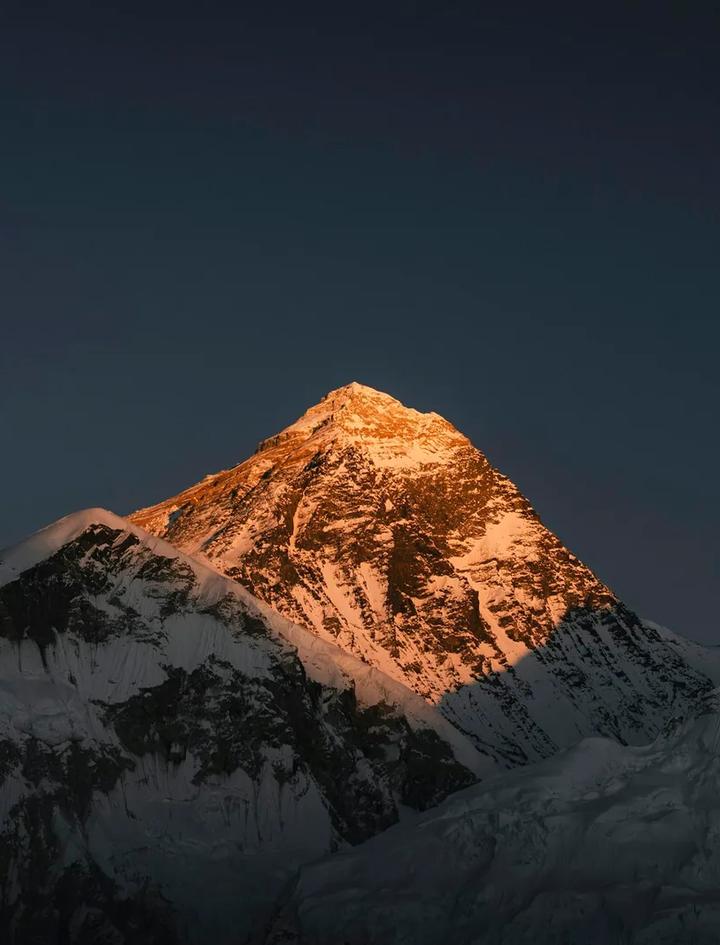
- Everest Base Camp Trek (15 days, from USD 1,675) - peak visibility of Everest, Lhotse, Ama Dablam
- Annapurna Base Camp Trek (16 days, from USD 1,275) - amphitheater views at their clearest
- Everest Three Passes Trek (22 days, from USD 1,975) - high passes are all clear
- Manaslu Circuit Trek (15 days, from USD 1,675) - less crowded alternative to Annapurna Circuit
- Annapurna Circuit Trek (20 days, from USD 1,825) - Thorong La Pass (5,416m) fully open
Spring: March, April, and May
The second-best trekking window. Warmer than autumn, with one major visual bonus: the rhododendron forests on the Annapurna and Langtang trails bloom red, pink, and white from late March through April. It is spectacular.
March
Early March is still cold at altitude, transitioning from winter. By mid-March, conditions improve rapidly. Daytime temperatures at 3,000m reach 10-18C. Mountain visibility is good in the mornings but haze builds in the afternoon, especially at lower elevations. This haze is dust and humidity rising as the lowlands warm. It rarely affects views above 4,000m.
The rhododendron bloom starts in lower forests (1,500-2,500m) in late March. If you want the bloom and the mountains together, late March is the window.
April
The warmest spring month and the peak of the rhododendron season. Forests between 2,500-3,500m are in full bloom. The Ghorepani section of the Annapurna trail, which passes through some of the densest rhododendron forest in Nepal, is at its most colourful.
Afternoon haze is more pronounced than in March. Mornings are still clear. Trekkers who start early get the best views. By 1-2 PM, clouds often build at lower altitudes. At base camp elevations (4,000m+), this is less of an issue.
May
The pre-monsoon month. Hot at lower altitudes (25-30C in Pokhara and Kathmandu). Afternoons are increasingly hazy and humid. Thunderstorms become more frequent, particularly in the second half of the month. High-altitude treks above 4,000m are still viable in early May, but the weather window is narrowing.
May is also peak climbing season for expeditions on Everest and other 8,000m peaks. The jet stream lifts, creating a brief window of calm at extreme altitude. This does not directly affect trekkers, but it means Lukla flights are busy with expedition teams.
Best spring treks:
- Ghorepani Poon Hill Trek (10 days, from USD 675) - rhododendron bloom at its peak, sunrise over Annapurna and Dhaulagiri
- Annapurna Base Camp Trek (16 days, from USD 1,275) - bloom + amphitheater, one of the best spring combinations
- Langtang Valley Trek (11 days, from USD 775) - wildflower meadows at Kyanjin Gompa, fewer crowds than Annapurna
- Mardi Himal Trek (11 days, from USD 625) - quiet ridge trail with Machapuchare views, good for late March
Winter: December, January, and February
Cold, clear, and empty. Winter trekking in Nepal is underrated but comes with real constraints.
What Works
Lower-altitude treks below 3,500m are manageable with proper gear. The sky is often the clearest it gets all year. Without monsoon moisture or spring haze, the mountains are razor-sharp against deep blue sky. There are almost no other trekkers on the trail. Teahouse prices drop. Permits process faster. Flights are cheaper and less contested.
The cold is the constraint. At 3,000m in January, nighttime temperatures hit -10 to -15C. At 4,000m, it drops below -20C. Teahouses above 4,000m are often closed because water pipes freeze and few trekkers justify keeping them open. Sleeping bags rated to -20C are necessary, not optional.
What Does Not Work
High-altitude treks above 4,500m are risky in winter. Passes like Thorong La (5,416m), Cho La (5,368m), and Renjo La (5,360m) are frequently snow-blocked. The EBC trail to Gorak Shep (5,164m) is technically possible in early December but brutally cold, and several teahouses close. Attempting high passes in midwinter without mountaineering experience and equipment is dangerous.
Best Winter Treks
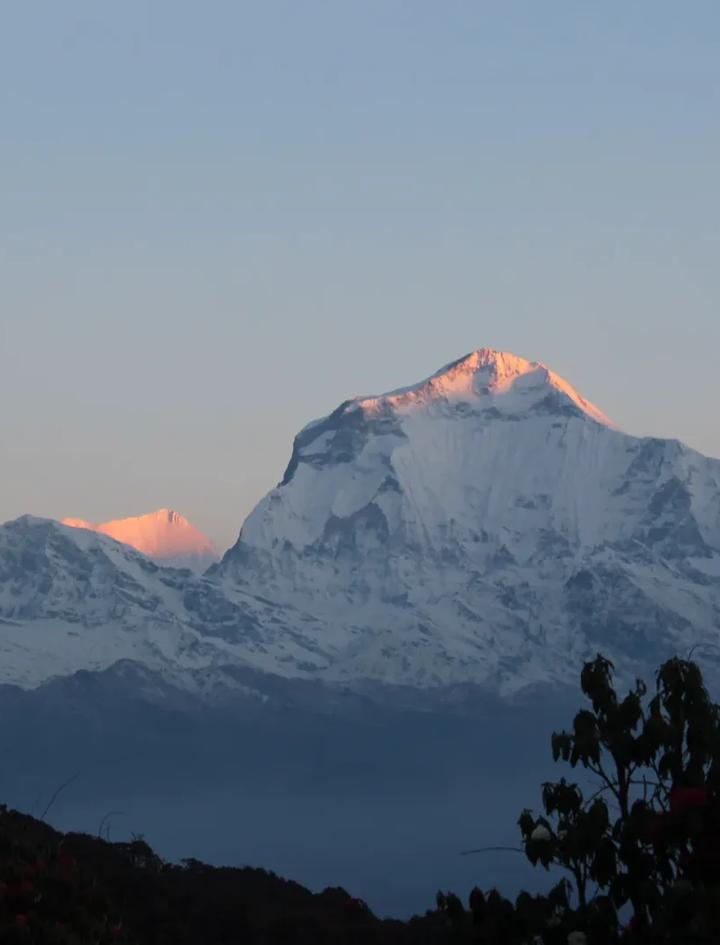
- Ghorepani Poon Hill Trek (10 days, from USD 675) - max altitude 3,210m, manageable in winter. The Poon Hill sunrise in winter, with zero haze and fresh snow on the peaks, is arguably better than autumn.
- Langtang Valley Trek (11 days, from USD 775) - Kyanjin Gompa at 3,870m is the highest point. Cold nights but clear days. The valley narrows enough that snow stays on the peaks long into the season.
- Mardi Himal Trek (11 days, from USD 625) - the ridge approach can be icy above 4,000m in January, but the lower sections are excellent in December.
- Short Annapurna treks that stay below Chhomrong (2,170m)
Monsoon: June Through September
Nepal's monsoon delivers 80% of the country's annual rainfall between June and September. Most trekking trails become impractical. Paths are muddy, landslides block routes, leeches are everywhere below 3,000m, and cloud cover hides the mountains for days at a time.
We do not recommend most treks during monsoon. But there are exceptions.
The Rain Shadow Exception
The Himalayan range acts as a wall against the monsoon. Moisture-laden air from the Bay of Bengal hits the southern slopes, dumps its rain, and the regions behind the barrier stay dry. These rain shadow areas receive as little as 250mm of rainfall per year, compared to 1,500-2,500mm on the southern slopes.
Upper Mustang: The classic monsoon trek. Lo Manthang and the arid landscapes of upper Mustang sit behind Annapurna and Dhaulagiri. While Pokhara gets 400-500mm of rain per month in July, Mustang gets a fraction of that. The trails are dry, the skies are often clear, and the Tibetan-Buddhist culture of the region is best experienced when the rest of Nepal is shut down.
The Upper Mustang Trek (17 days, from USD 1,975) is one of the few treks we actively recommend during monsoon months.
Upper Dolpo: Even drier than Mustang. The landscape is closer to the Tibetan plateau than to anything else in Nepal. Remote, sparsely populated, and culturally distinct. The Upper Dolpo Trek (25 days, from USD 2,875) requires a restricted area permit and more planning, but the monsoon window is the best time to do it.
Tsum Valley and Nar-Phu Valley: Both sit in the Manaslu rain shadow. Less dry than Mustang and Dolpo, but significantly drier than the Annapurna or Everest sides. Workable in monsoon with the expectation of occasional light rain.
Temperature by Altitude
This is the practical reference that most trekkers need. Nepal's trekking altitudes span from 800m to over 5,500m. Temperature drops roughly 6.5C for every 1,000m of elevation gain.
| Altitude | Daytime (Oct/Apr) | Night (Oct/Apr) | Night (Dec/Jan) |
|---|---|---|---|
| 1,000-2,000m | 18-25C | 5-12C | 0-5C |
| 2,000-3,000m | 12-18C | 0-5C | -5 to 0C |
| 3,000-4,000m | 8-15C | -5 to 0C | -10 to -5C |
| 4,000-5,000m | 2-8C | -10 to -5C | -20 to -10C |
| 5,000m+ | -2 to 5C | -15 to -10C | -25 to -15C |
These are approximate ranges. South-facing trails are warmer. Wind chill above 5,000m makes the effective temperature significantly colder than the thermometer reading. The temperature swing between midday sun and predawn darkness can be 25-30C at altitude.
Crowds and Pricing by Month
| Month | Crowd Level | Teahouse Prices | Lukla Flight Cost | Notes |
|---|---|---|---|---|
| January | Very low | Lowest | Low ($180-220 return) | Cold, many high lodges closed |
| February | Low | Low | Low | Late Feb warming, early spring feel |
| March | Moderate | Standard | Standard ($200-300) | Bloom starts, good value window |
| April | Moderate-high | Standard | Standard | Peak bloom, afternoon haze |
| May | Moderate | Standard | High (expedition traffic) | Hot at low alt, pre-monsoon storms |
| June | Very low | Lowest | Low | Monsoon starts, rain shadow only |
| July | Minimal | Lowest | Low | Peak monsoon |
| August | Minimal | Lowest | Low | Peak monsoon |
| September | Low-moderate | Low | Moderate | Late Sep clearing, trails still wet |
| October | Very high | Highest | High ($300-400) | Peak season, book everything early |
| November | High | High | High | Quieter than Oct, cold late month |
| December | Low | Low | Low | Clear skies, cold nights, good value |
Which Trek, Which Season
Not every trek works equally well in every season. Here is a practical matrix.
Year-Round (with seasonal caveats)
- Poon Hill - viable 10 months of the year (avoid July/August). Winter sunrise from Poon Hill is spectacular.
- Mardi Himal - same as Poon Hill, though the upper ridge gets icy in deep winter.
Autumn Only (Oct-Nov)
- Everest Three Passes - the high passes require stable weather and clear snow conditions.
- Kanchenjunga Base Camp - remote, long, and high. Autumn is the only reliable window.
Autumn + Spring (Oct-Nov, Mar-May)
- Everest Base Camp - both seasons work. Autumn for clarity, spring for warmer lower sections.
- Annapurna Base Camp - both seasons. Spring for the bloom.
- Annapurna Circuit - Thorong La is clear in both windows.
- Manaslu Circuit - restricted area, best in autumn. Spring is possible but wetter.
- Langtang Valley - both seasons, with winter possible for experienced trekkers.
Monsoon (Jun-Aug)
- Upper Mustang - the monsoon is the best season for Mustang.
- Upper Dolpo - same rain shadow advantage. Dry when everything else is wet.
- Tsum Valley - workable with light rain expectations.
Planning Around the Weather
A few practical notes that apply regardless of which month you choose.
Book Lukla flights early in peak season. October and November flights sell out weeks in advance. Weather cancellations create backlogs. Build 1-2 buffer days into your itinerary on both ends.
Morning starts matter. In every season except deep winter, clouds build in the afternoon. The best mountain views and the best photography happen before noon. Guides who get you moving by 6-7 AM are worth the early wake-up.
Layer for the swing. The temperature difference between midday sun and predawn cold at 4,000m can be 25-30C. A layering system (base layer, fleece, down jacket, wind shell) handles this better than one heavy coat. Our EBC packing list covers the layering system in detail.
Travel insurance covers weather delays. Cancelled flights, extended stays due to weather, and emergency evacuation are all standard coverage items. Get a policy that explicitly covers high-altitude trekking to whatever altitude your trek reaches.
Shoulder weeks are the sweet spot. Late September (last week), early November (first two weeks), and late February/early March offer near-peak conditions with fewer people and lower prices. If your schedule is flexible, aim for these windows.
Final Thought
October is the best month. March and April are the best alternative. December and January reward those who can handle the cold. And the monsoon months belong to Mustang and Dolpo.
Pick your season based on what matters to you most: views (autumn), flowers and warmth (spring), solitude and savings (winter), or adventure in places most people never see (monsoon rain shadow treks).
The EBC complete guide, ABC complete guide, and the EBC vs ABC comparison all have more detail on timing for specific treks.