
- The Quick Comparison
- Difficulty and Fitness
- Cost
- Scenery
- EBC: Scale and Altitude
- ABC: Diversity and Intimacy
- Culture and Villages
- EBC: Sherpa Heritage
- ABC: Gurung and Magar Villages
- Logistics and Access
- Getting to the Trailhead
- On the Trail
- Communication and Connectivity
- Best Time to Trek
- Who Should Choose EBC
- Who Should Choose ABC
- Can You Do Both?
- Alternatives if Neither Fits
- Final Thought
Two treks. Both end at the base of an 8,000m peak. Both run through teahouse lodges, both require a licensed guide, and both consistently rank among the most popular treks in Nepal. The Everest Base Camp trek and the Annapurna Base Camp trek are the two treks most people compare when planning their first trip to Nepal.
They are very different experiences. This is a category-by-category breakdown to help you decide which one fits your body, your budget, and what you want from a Himalayan trek.
The Quick Comparison
| Category | Everest Base Camp | Annapurna Base Camp |
|---|---|---|
| Max altitude | 5,364m (Kala Patthar) | 4,130m |
| Trail days | 12-14 days | 10-12 days |
| Total trip duration | 14-16 days | 14-16 days (including Pokhara) |
| Difficulty | Strenuous | Moderate |
| Cost (guided package) | From USD 1,675 | From USD 1,275 |
| Domestic flight required | Yes (Lukla) | No |
| Starting point | Lukla (2,860m) | Nayapul/Ghandruk (~1,070m) |
| Permits | TIMS + Sagarmatha NP (~USD 65) | TIMS + ACAP (~USD 38) |
| Altitude sickness risk | High (40% experience symptoms) | Low to moderate |
| Best for | Bucket-list seekers, experienced trekkers | First-timers, budget-conscious, shorter schedules |
Difficulty and Fitness
The EBC trek is the harder trek. Not because the daily walking is dramatically different, but because of what altitude does to your body above 4,500m.
Both treks involve 5-7 hours of walking per day. Both have steep sections that will test your legs. The ABC trail has more stone staircases, particularly the notorious climb from Chhomrong (2,170m) up through Sinuwa and into the Modi Khola gorge. Your quadriceps will feel those steps. On the EBC side, the terrain is more gradual but relentless. Long moraines, rocky paths, and glacial rubble on the approach to base camp.
The real difficulty gap is altitude. EBC reaches 5,364m at Kala Patthar (the sunrise viewpoint most trekkers climb). At that elevation, your body is running on roughly 50% of the oxygen available at sea level. Sleep is disrupted. Appetite drops. Headaches are common even with proper acclimatization. Around 40% of EBC trekkers experience some symptoms of acute mountain sickness.
ABC tops out at 4,130m. Still high enough to feel the altitude, but the oxygen reduction is less severe. Most trekkers who are reasonably fit and hydrated handle this altitude without significant symptoms. The acclimatization demands are lighter, and the trek does not require dedicated rest days for altitude adjustment, though adding one at Machhapuchhre Base Camp (3,700m) is sensible.
Bottom line: If you train for the EBC trek and respect the acclimatization schedule, it is completable by most fit adults. But it demands more. ABC is achievable by anyone with moderate fitness and no prior altitude experience. Our EBC difficulty breakdown covers the fitness requirements in detail.
Cost
This is where the two treks diverge sharply.
| Cost Category | EBC | ABC |
|---|---|---|
| Guided package (MHT) | From USD 1,675 | From USD 1,275 |
| Permits | ~USD 65 | ~USD 38 |
| Domestic flight | USD 180-400 (Lukla return) | Not required |
| Food per day | USD 25-40 | USD 20-30 |
| Accommodation per night | USD 5-20 | USD 5-15 |
| Independent total estimate | USD 1,200-2,500 | USD 500-1,200 |
The Lukla flight is the single biggest cost difference. It is mandatory for EBC (there is no road to Lukla), and prices spike during peak season. For ABC, you take a bus or drive to Pokhara and then a local bus or jeep to the trailhead. Total transport cost for ABC is a fraction of the Lukla flight alone.
Food and accommodation are also cheaper on the ABC trail. Supply lines from Pokhara are shorter and road-accessible as far as Chhomrong. On the EBC trail, everything above Lukla is carried in by porters or yaks, and the prices at Gorak Shep and Lobuche reflect that.
Full cost details: EBC cost breakdown and ABC cost breakdown.
Scenery
Both treks deliver world-class mountain scenery. The character of that scenery is different.
EBC: Scale and Altitude
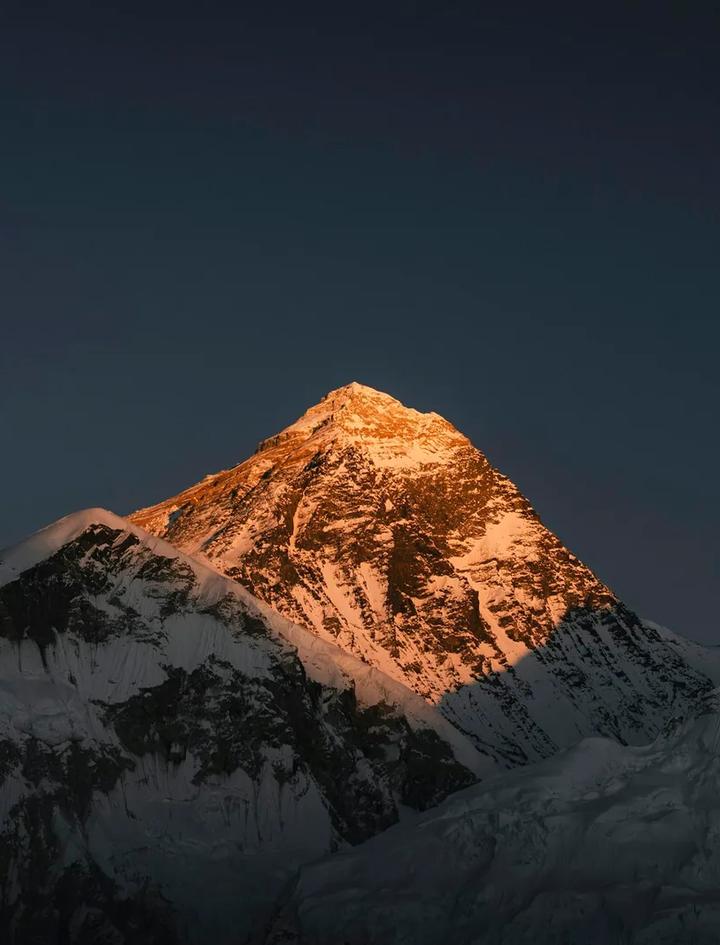
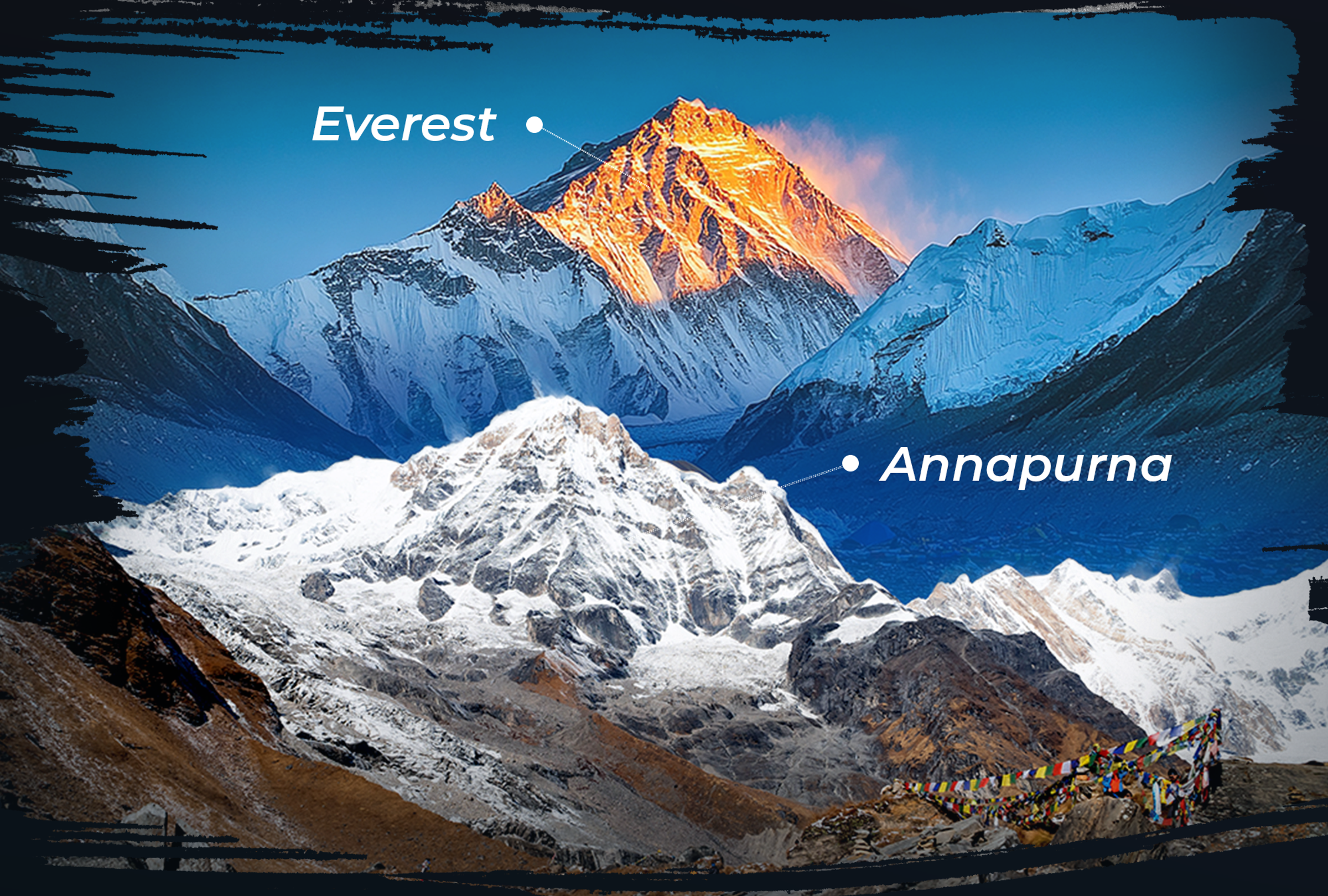
The Everest trek puts you in proximity to four of the six tallest peaks on earth. Everest (8,849m), Lhotse (8,516m), Makalu (8,485m from certain viewpoints), and Cho Oyu (8,188m) are all visible from the trail. Ama Dablam (6,812m) dominates the middle section of the trek and is one of the most photographed mountains in the Himalaya.
The landscape is austere. Above Namche Bazaar, the greenery fades. You walk through glacial moraines, past the Khumbu Glacier, across rocky terrain that feels lunar above 5,000m. The beauty is in the raw scale of it. Standing at Kala Patthar at sunrise, with Everest directly in front of you and the Khumbu Icefall below, is a singular visual experience.
ABC: Diversity and Intimacy
The ABC trek is an ecological transect. You start in subtropical lowlands with rice paddies and banana trees. By day three, you are in dense rhododendron forest that blooms red and pink in March and April. Above Chhomrong, the trail enters the Modi Khola gorge, a narrow valley between towering cliff walls. Above the treeline, the landscape opens into alpine moraine, and then the amphitheater.
Annapurna Base Camp sits inside a glacial basin ringed by Annapurna I (8,091m), Annapurna South (7,219m), Hiunchuli (6,441m), and the sacred peak Machapuchare (6,993m, never summited). The amphitheater effect, where peaks surround you on nearly every side, is more intimate than anything on the EBC trail. The sunrise at base camp, when the first light hits the upper snowfields of Annapurna South, is extraordinary.
The verdict: EBC for sheer altitude and the Everest name. ABC for landscape diversity and the amphitheater experience. Photographers tend to prefer ABC for the variety of ecosystems. Mountaineering enthusiasts tend to prefer EBC for the proximity to high-altitude climbing routes.
Culture and Villages
EBC: Sherpa Heritage
The Khumbu valley is Sherpa country. Namche Bazaar is a trading hub with bakeries, gear shops, and a Saturday market. Tengboche has the most important monastery in the region, with Ama Dablam framed in the background. The villages above Namche are smaller and more functional, built to support the trekking and expedition industry.
Sherpa culture is deeply intertwined with mountaineering. Monasteries with prayer flags, mani walls carved with mantras, and chortens marking trail junctions are constant features. The cultural layer is rich but concentrated in the lower half of the trek.
ABC: Gurung and Magar Villages
The Annapurna trail passes through Gurung and Magar villages with stone-flagged courtyards, slate roofs, and terraced fields. Ghandruk is the largest and most well-preserved Gurung settlement on the trail. Chhomrong, perched on a ridge with views of Annapurna South, is where most trekkers spend their first night above the lowlands.
The cultural immersion on the ABC trail is more continuous. Villages are closer together in the lower sections, and the ethnic diversity is wider. The Gurung Museum in Ghandruk, the traditional architecture, and the homestay-style lodges in smaller villages give the ABC trail a warmer, more community-embedded feel than the more commercial EBC trail.
Logistics and Access
This is a practical consideration that most comparison articles underplay.
Getting to the Trailhead
EBC: Requires a flight from Kathmandu to Lukla (Tenzing-Hillary Airport). The flight takes 35 minutes but is weather-dependent. Flights cancel frequently during monsoon and occasionally during peak season due to cloud cover. A cancelled Lukla flight can delay your entire trek by 1-2 days. There is no road alternative.
ABC: Drive or bus from Kathmandu to Pokhara (7-8 hours by road, 25 minutes by flight). From Pokhara, a 1.5-hour drive reaches the trailhead at Nayapul. No weather-dependent flight. No cancellation risk. If your Kathmandu-Pokhara bus is delayed, you simply start a few hours later.
On the Trail
EBC: The trail is well-marked and well-trodden. Teahouses are plentiful up to Gorak Shep. The challenge is that there is only one trail, so during peak October/November season, lodges fill up and the trail is crowded. Booking ahead through your agency helps.
ABC: The trail also uses the teahouse system. Lodges are slightly simpler than on the EBC trail (which has benefited from more investment). The advantage is that the ABC trail has more route variations. You can start via Ghandruk or Landruk, and you can return via Jhinu Danda (with its hot springs). This flexibility spreads trekkers across different paths and reduces crowding.
Communication and Connectivity
Both trails have intermittent wifi at teahouses (paid, often slow). Both have cell coverage in lower sections that drops off at higher altitudes. EBC has better coverage overall due to the Ncell tower in Namche Bazaar. ABC coverage is patchier above Chhomrong.
Best Time to Trek
Both treks share the same optimal windows because they are in the same country with the same monsoon cycle.
Peak season (October/November): Best weather for both. Clear skies, stable temperatures, best mountain visibility. Also the most crowded and most expensive.
Spring (March/April/May): Second best. Warmer at lower elevations. Rhododendron bloom on the ABC trail is spectacular in late March and April. Hazier skies than autumn, but still good conditions. The EBC trail can have afternoon cloud buildup above 4,000m.
Winter (December/January/February): Cold, especially above 4,000m. EBC is genuinely harsh in winter, with temperatures dropping below -20C at Gorak Shep. ABC is more manageable because of the lower altitude, but expect freezing nights at base camp and some teahouse closures on the upper trail.
Monsoon (June/July/August/September): Not recommended for either trek. Heavy rain, leeches on the ABC trail, clouds obscuring mountain views, and trail hazards from landslides.
Our EBC best time guide has a month-by-month breakdown with weather data.
Who Should Choose EBC
Pick the Everest Base Camp trek if:
- Everest is on your bucket list and no other peak will substitute
- You have trekked at altitude before (above 4,000m) and handled it well
- You have 14-16 days available for the trek portion alone
- Your budget accommodates the Lukla flight and higher trail costs
- You want to walk through Sherpa villages and see the Khumbu Glacier
- You are training for or considering a future climbing expedition and want to see the base camp logistics firsthand
The EBC complete guide covers the full itinerary, and the packing list details gear requirements for the higher altitude.
Who Should Choose ABC
Pick the Annapurna Base Camp trek if:
- This is your first trek above 3,000m
- You want a shorter, more affordable trek without sacrificing quality
- You prefer ecological diversity over raw altitude
- You have 10-14 days available
- You want simpler logistics with no weather-dependent flight
- You respond well to village culture and prefer a warmer, more community-oriented trail
The ABC complete guide has the full itinerary and the ABC cost breakdown covers budgeting.
Can You Do Both?
Yes, and some trekkers do. The most practical sequence is ABC first (shorter, lower, good acclimatization warm-up), then fly back to Kathmandu, rest 2-3 days, and fly to Lukla for EBC. You need at least 30 days in Nepal, and a 45-day visa gives better buffer for weather delays or rest days.
Doing both back-to-back is physically demanding. The ABC trek serves as good altitude preparation for EBC, but the cumulative fatigue from 25+ days of trekking is real. Plan at least 3-4 recovery days in Kathmandu or Pokhara between the two. Eat well, sleep in a real bed, let your legs recover.
If budget forces a choice, do ABC first. It costs less, carries less altitude risk, and gives you a genuine Himalayan experience. If it hooks you (and it will), EBC is there for the next trip.
Alternatives if Neither Fits
If both treks feel too long or too demanding, two shorter alternatives in the Annapurna region deliver strong mountain scenery with less commitment.
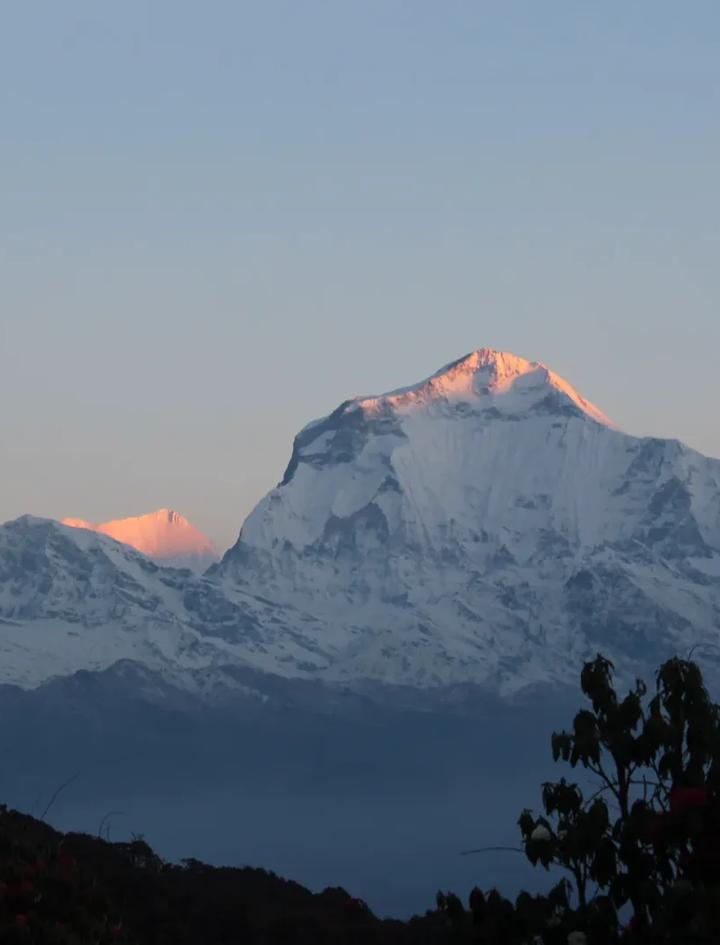
[Ghorepani Poon Hill Trek](/tours/trekking-in-nepal/annapurna-region/ghorepani-poon-hill-trek): 10 days, from USD 675. Reaches 3,210m. Shares the lower section of the ABC trail through Ghandruk. The sunrise from Poon Hill, with the full Annapurna and Dhaulagiri ranges spread across the horizon, is one of the classic views in Nepal. Good for trekkers with limited time or those testing their fitness before a bigger trek.
[Mardi Himal Trek](/tours/trekking-in-nepal/annapurna-region/mardi-himal-trek): 11 days, from USD 625. Reaches 4,500m. A quieter, less-trafficked alternative with direct views of Machapuchare and the Annapurna range. The ridge walk on the final approach to Mardi Himal Base Camp is one of the most scenic stretches of trail in the Annapurna region.
Final Thought
There is no wrong answer between these two treks. Both are legitimate Himalayan experiences with world-class scenery, comfortable teahouse infrastructure, and well-established trail systems. The decision comes down to what you prioritize: altitude and the Everest name, or diversity and accessibility.
Most first-time Nepal trekkers are well served by starting with ABC and saving EBC for a return trip. But if Everest has been the goal all along and your fitness and budget support it, go straight for it. We guide both treks and can help you decide based on your specific dates, fitness level, and priorities.
The Everest Base Camp Trek and the Annapurna Base Camp Trek pages have full itineraries, pricing, and booking options.