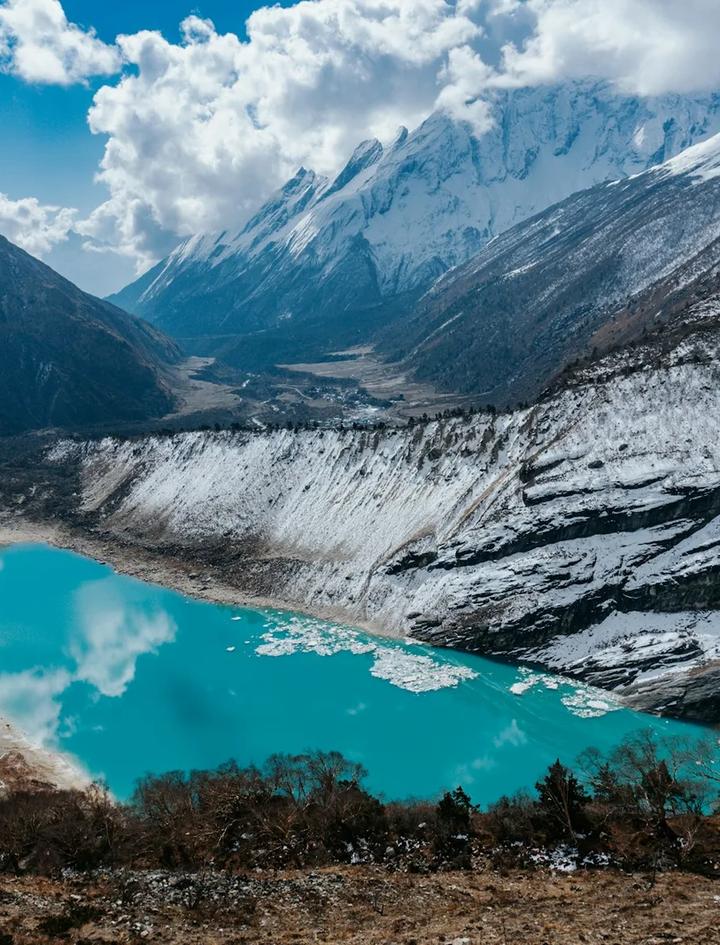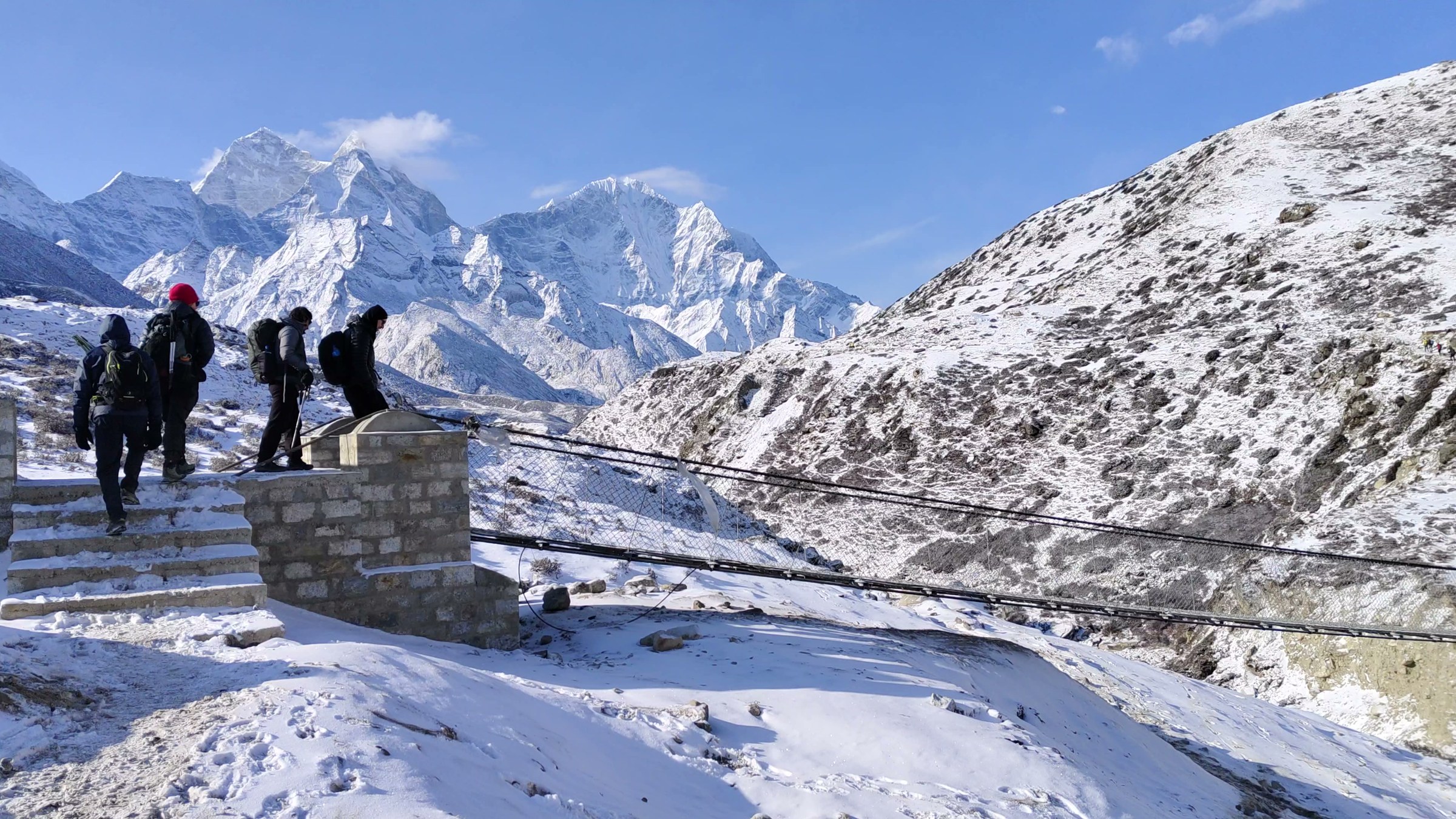

October and November are the best months to trek to Everest Base Camp. March through May is the second window. Everything else carries a meaningful trade-off.
The difference between trekking EBC in October versus January is the difference between sharp Himalayan views every morning and seeing nothing above Namche for four days straight. This guide goes month by month through what you can realistically expect, so you can make the right call for your schedule.
For the full route breakdown and day-by-day itinerary, see the complete EBC guide.
The Two Windows (and Why They Work)
The Khumbu's weather is driven by two seasonal systems: the monsoon, which arrives from the Bay of Bengal in late May or June, and the jet stream, which shifts position twice a year and determines whether or not Everest's summit flag is streaming 100km/h winds or sitting still.
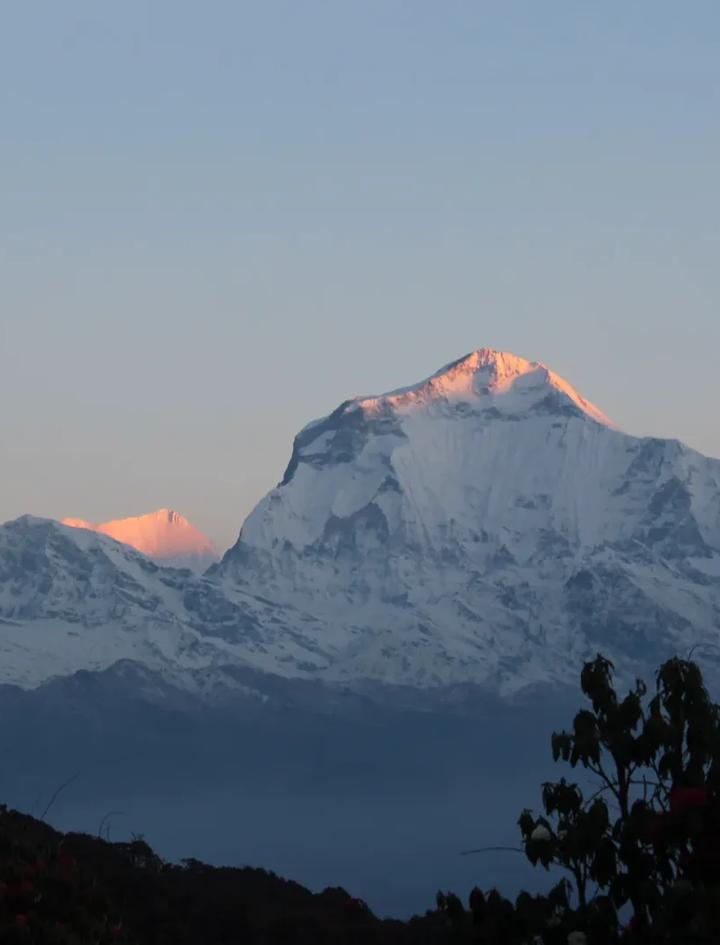
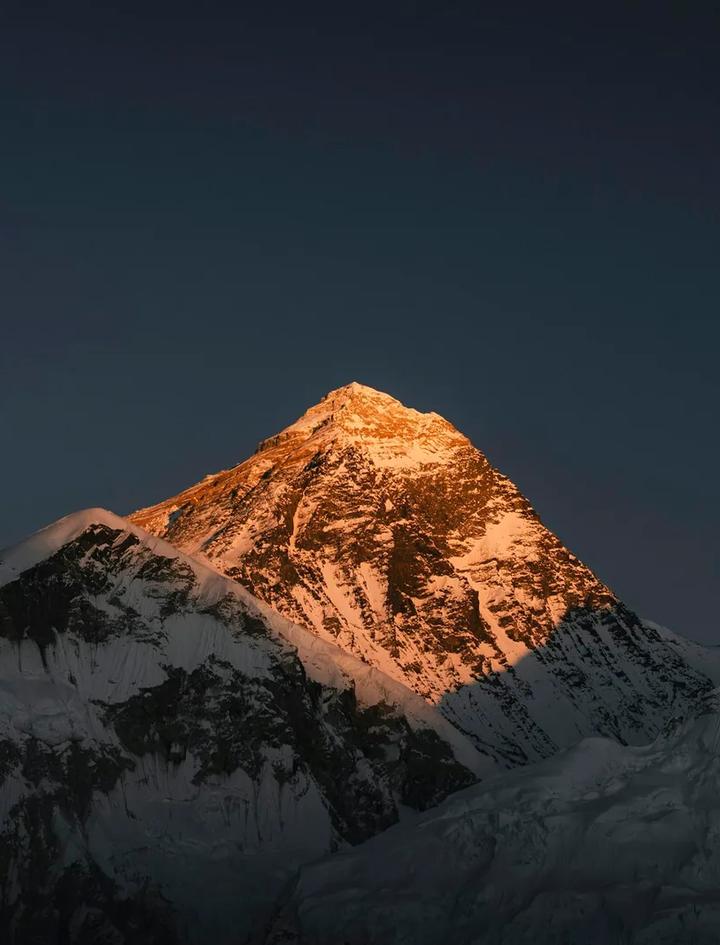
Post-monsoon: October and November. The monsoon retreats from Nepal by late September, and it takes the moisture, the dust, and the atmospheric haze with it. The jet stream shifts north, leaving the high Himalaya in a period of relative atmospheric stability. This is why October views are so consistently exceptional. The air has been scrubbed. Visibility to Everest's summit from Kala Patthar is regularly unbroken. Trails are dry. Temperatures are cold at altitude but manageable. The window lasts through November, though cold tightens significantly by month's end.
Pre-monsoon: March through May. Temperatures at altitude are 3-5C warmer than their autumn equivalents. Snow from winter starts to soften and clear on the lower trail. Below 4,000m, rhododendron forests bloom through March and April: dense stands of pink and red in the forests between Lukla and Namche. Mornings are typically clear above Namche; afternoon clouds build by 1-2pm on most days in April and May but usually dissipate by evening. This window is slightly softer than autumn in terms of visibility but it is far warmer and often beautiful.
Between these windows are the two off-periods. The monsoon runs from roughly June through mid-September: heavy rain, leeches below Namche, 70-90% cloud cover, and trail conditions that make the walk significantly less pleasant. Deep winter (December through February) brings a different problem. Temperatures at Gorak Shep drop to -20C and below at night. Some teahouses above Lobuche close. Lukla flights become unreliable. The trail is quiet and the views can be stunning on clear days, but the margin for error shrinks considerably.
Month by Month
January
Namche (3,440m): Day 2-5C / Night -8 to -12C
Gorak Shep (5,164m): Day -8 to -5C / Night -20 to -25C
Deep winter on the Khumbu. The trail is passable and quiet, but you need to understand what the numbers above mean at 5,000m. A still -8C at Gorak Shep is one thing. Add a 25km/h wind, which is typical on exposed ridge sections in January, and you have a wind chill that stops fingers working inside thick gloves within minutes of exposure.
Some teahouses above Lobuche reduce their services or close entirely. Lukla flights are weather-dependent and disruptions of two to three consecutive days are not unusual. The crowds are essentially non-existent, which has its own appeal, but this is not a beginner's window. Snow on the trail above Lobuche is likely.
Verdict: For experienced cold-weather trekkers with proper gear and flexible schedules. Everyone else should wait.
February
Namche (3,440m): Day 3-7C / Night -6 to -10C
Gorak Shep (5,164m): Day -6 to -3C / Night -18 to -22C
Temperatures are slightly more forgiving than January and daylight is lengthening, but this is still deep winter on the upper trail. Snow above Namche is common, icy patches on the Lobuche-to-Gorak Shep stretch are possible, and morning fog at Lukla can delay flights by hours. Teahouse availability above Lobuche is limited.
The upside: the trail is genuinely uncrowded and the mountains, on clear days, look sharp and white-capped in a way that is different from any other season. Late February starts to feel like a transition.
Verdict: Possible, but demanding. Proper insulation and crampons or microspikes for the upper trail are not optional.
March
Namche (3,440m): Day 7-12C / Night -3 to -6C
Gorak Shep (5,164m): Day -3 to 2C / Night -15 to -18C
The pre-monsoon window opens. Temperatures become more tolerable, particularly below Namche where daytime highs can feel almost warm. Rhododendron forests below 3,500m start to flower in the second half of the month. Trail conditions improve as snow on the lower path melts and paths dry out.
Above Namche, the upper trail is still cold and can carry leftover winter snow above Lobuche, particularly in early March. Mornings are typically clear and visibility is good. Afternoon cloud build-up begins to appear on some days but does not yet dominate. Teahouses are fully open. Crowds are moderate and building.
Lukla flights are generally reliable. March is an excellent month to start, especially if you want fewer people on the trail than April brings.
Verdict: Strong spring option. Good visibility, acceptable cold, manageable crowds, rhododendrons blooming on the lower trail.
April
Namche (3,440m): Day 10-15C / Night 0 to -3C
Gorak Shep (5,164m): Day 0 to 5C / Night -10 to -15C
April is the second-busiest month of the year on the EBC trail after October. Everest climbing expeditions are moving through the Khumbu toward Base Camp, which adds a different energy to the trail above Namche. Teahouses are full in the evenings; above Dingboche, calling ahead matters.
Daytime temperatures at Namche are genuinely pleasant. At Gorak Shep, days reach 0-5C, which is a significant improvement over winter. The rhododendrons that started below 3,000m in March now bloom up toward 4,000m, and the transition from forest to moraine above Tengboche is lush in a way it is not in autumn.
Afternoon clouds build reliably from around noon above Namche, but mornings are typically sharp and clear. Summit views from Kala Patthar are best attempted before 7-8am in April, more so than in October when clear conditions often hold longer into the day. The EBC tour page shows the exact itinerary we run through this window.
Verdict: Excellent. Warmer than October, livelier, beautiful lower-trail scenery. Go early in the day above Namche.
May
Namche (3,440m): Day 12-17C / Night 2 to -1C
Gorak Shep (5,164m): Day 2 to 7C / Night -8 to -12C
The warmest trekking month. Namche days can reach 17C, which is genuinely comfortable for walking. At Gorak Shep, daytime highs of 2-7C feel almost mild compared to the cold of autumn. Nights at altitude are still cold enough to require a proper sleeping bag, but not brutal.
The trade-off is weather stability. The monsoon typically arrives in late May, and the atmospheric signs of its approach appear from mid-month: more cloud build-up earlier in the day, occasional afternoon rain showers even above 4,000m, and a general softening of visibility that is not present earlier in the spring. The Everest climbing season is at its peak, so the trail above Namche carries heavy expedition traffic.
A May start that finishes before the 20th is usually fine. A May departure that has you at Gorak Shep after the 25th runs real risk of monsoon weather interrupting the upper section.
Verdict: Good, with timing caveats. Earlier in May is better. If flexibility allows, April is the cleaner choice.
June, July, August
Namche (3,440m): Day 11-15C / Night 3 to -1C (highly variable)
Above Namche: Heavy cloud, frequent rain, snow above 4,500m
The monsoon is active. Cloud cover sits at 70-90% for most of June, July, and August. Rain below 4,000m is persistent. Leeches are thick on forest trails between Lukla and Namche from July through August; after rain, they appear on every wet rock and leaf. Snow falls regularly above Namche in July and August. The mountains are invisible behind cloud most of the time.
The trail stays open and a small number of trekkers complete it. Views are minimal, mud and leeches are persistent, and Lukla flight reliability is at its lowest of the year. It is not impossible. It is just not why most people come to the Khumbu.
If your schedule puts you in Nepal during this period and you want to trek, the Annapurna Base Camp trek and the Langtang Valley trek both see less precipitation during monsoon due to their different topographic positions, and are more manageable options.
Verdict: Avoid for EBC if you have any flexibility at all.
September
Namche (3,440m): Day 10-14C / Night 0 to -3C
Gorak Shep (5,164m): Day -2 to 2C / Night -12 to -16C (by late September)
September is the transition month. Early September is still monsoon. By the second week the cloud begins to break. By the last ten days the trail is improving noticeably, trails are drying, and the first trekkers of the post-monsoon season are starting to arrive.
A late-September start, with a departure around September 22-25, is a legitimate option for trekkers who want post-monsoon clarity without the full October crowds. The risk is that the atmospheric clearing is not guaranteed to a fixed date. Some years September clears beautifully. Others, the monsoon lingers into early October.
Lukla flights are still weather-sensitive in September and delays are more likely than in October.
Verdict: Viable in the last ten days. Best treated as early access to the autumn window rather than peak season.
October
Namche (3,440m): Day 10-15C / Night -2 to -5C
Gorak Shep (5,164m): Day -2 to 3C / Night -12 to -16C
The best month on the EBC trail, and it is not particularly close.
The monsoon has fully retreated. The atmosphere above Namche is clear in a way that photographs fail to capture. Looking south from the Namche ridge on a clear October morning, you see Thamserku and Kangtega so sharply they look painted on. From Kala Patthar at 5,545m, Everest's summit, Lhotse, and Nuptse fill the western skyline without a trace of haze.
Daytime temperatures at Namche are brisk but comfortable for walking: 10-15C. At Gorak Shep, days reach -2 to 3C. Nights at Gorak Shep drop to -12 to -16C, which demands a proper sleeping bag and warm layers, but is well within the range of standard trekking gear. The trail is dry from Lukla to Base Camp. Lukla flights are as reliable as they get.
The one real consideration: crowds. October is the busiest month on the trail. The stretch between Namche and Lobuche can feel genuinely congested in mid-October, with trekking groups, expedition teams, and day-hikers from Namche all sharing the same narrow path. Teahouses above Dingboche fill by early afternoon. Your guide calling ahead to Lobuche and Gorak Shep to hold rooms is not a courtesy; it is necessary.
The EBC cost breakdown notes that teahouse rates in peak October run 20-30% higher than shoulder months. If budget matters, factor that in.
Verdict: Best month. Book early, call ahead on teahouses, accept the crowds.
November
Namche (3,440m): Day 6-10C / Night -5 to -8C
Gorak Shep (5,164m): Day -5 to 0C / Night -15 to -20C
November is the second-best month. The crowds thin noticeably after the first week, teahouse availability above Lobuche relaxes, and the skies remain clear. The atmosphere is still post-monsoon sharp for most of the month.
The cost is cold. By mid-November, nights at Gorak Shep are regularly hitting -18 to -20C. That is a step up from October and your sleeping bag and base layer choices matter more. Daytime temperatures at Namche drop to 6-10C, which is fine for walking but noticeably cooler than October when you stop moving.
Lukla flights are still reliable. Late November (from around the 20th) sees the first signs of approaching winter: occasional high cloud, the possibility of light snowfall above Namche, and a few teahouses above Lobuche beginning their seasonal wind-down. A late-November finish is fine if you are prepared for the cold. A departure in the first week of November, for most trekkers, gives the best combination of clear skies, manageable cold, and thinner crowds.
Verdict: Excellent, particularly the first two weeks. Cold gear becomes critical above Lobuche.
December
Namche (3,440m): Day 3-6C / Night -8 to -12C
Gorak Shep (5,164m): Day -8 to -4C / Night -20 to -25C
Winter arrives in December. Daytime temperatures at Gorak Shep are now consistently below -5C and nights approach -25C at the month's end. Some teahouses above Lobuche close or operate with minimal staff.
Clear days do exist in December and the views on them are extraordinary; the Khumbu has a particular stillness in winter that is unlike any other season. But the base temperature at 5,000m makes this a serious undertaking. Lukla flights are more vulnerable to morning fog and snow delays, and a two-day weather hold in a cold teahouse at Namche in December is a different thing than the same hold in October.
Verdict: Manageable for experienced cold-weather trekkers with the right gear and flexible schedules. Everyone else, this is the start of the off-season.
What the Weather Feels Like at Altitude
Temperature numbers on a page and temperature on your body at 5,000m are two different things. This gap matters for gear decisions.
The sun at altitude is intense. At 5,000m, with less atmosphere above you filtering UV, direct sunlight can push skin temperature to 15C or more on a calm day in October, even when the air temperature is -5C. Step into shadow and you drop back to -5C immediately. This 15-20C swing between sun and shade is one of the most disorienting things about the upper trail, particularly on the Lobuche-to-Gorak Shep section, which weaves in and out of moraine shadows all morning. You peel a layer, you stop for ten minutes, you add it back.
Wind chill above 4,500m is the more serious concern. A still -5C at Gorak Shep is uncomfortable but manageable with decent gloves and a windproof layer. Add 30km/h of wind, which is normal on exposed ridges above Lobuche in October and common on the Kala Patthar ascent, and the effective temperature drops well below what any thermometer shows. Fingers stop functioning inside standard trekking gloves in that condition within five to ten minutes. Overmitts or heavyweight liner gloves are not luxury gear above 5,000m; they are functional equipment.
The morning-to-afternoon swing at altitude is also larger than most trekkers expect. Above 4,000m, you can see a 15-20C temperature change in a single day. A 6am departure from Lobuche in October sees the thermometer at -10C or below. By noon at Base Camp, in direct sun, you may be pulling your hat off. By 3pm, cloud moves in and you are reaching for every layer again. Plan your clothing system for constant transitions, not for a single temperature.
Crowds and Teahouse Availability
October is the busiest month on the trail. This is worth understanding in specific terms rather than vague warnings.
The section between Namche and Lobuche on a clear mid-October day carries a genuine volume of foot traffic: trekking groups from multiple agencies, expedition team members acclimatizing, teahouse porters moving supplies, independent trekkers, and occasional day-hikers from Namche. The trail itself handles it; the teahouses above Dingboche do not always. Rooms at Lobuche and Gorak Shep fill early. Arriving at 3pm without a reservation above Dingboche in October means you are negotiating for floor space or, in the worst case, backtracking to find a bed. We call ahead. It is one of the basic things a good guide does.
November thins out after the first week. By the second week of November, the same teahouses that were full-capacity in mid-October become comfortable again. This is one reason experienced trekkers often prefer early November over late October.
Spring (March through May) is moderate. April sees increased traffic from Everest expedition teams and their equipment, which is different from normal trekking traffic but adds to trail congestion on certain sections.
Winter months see some teahouses above Lobuche operate with skeleton service or close entirely. This is not a rumor; it is worth confirming with your agency before a December-January departure.
The EBC cost breakdown covers how shoulder-season timing affects teahouse rates. Rooms above Namche drop 20-30% outside peak season, which matters over a 14-day trip. Shoulder months have a real financial argument alongside the crowd argument. If you are weighing options, consider the Mardi Himal trek for a lower-altitude shoulder-season alternative with minimal crowds year-round.
Choosing the right month is often the most consequential decision you make before arriving in Nepal. The route itself does not change much. The experience of it changes completely depending on when you walk it.
The complete EBC guide covers the full 14-day itinerary, acclimatization strategy, gear lists, and what Base Camp is like when you arrive. If you have a specific travel window and want advice on whether it is viable, get in touch and we can work through your dates directly.