
- The Short Version
- Permits: NPR 5,000 (~USD 38)
- SAARC Nationals Pay Less
- Guide and Porter: USD 300-600
- Food: USD 20-30 Per Day
- Accommodation: USD 5-15 Per Night
- Transport: USD 25-140
- Kathmandu to Pokhara
- Pokhara to Trailhead
- Return
- Gear: USD 0-200
- Travel Insurance: USD 40-100
- Extras That Add Up
- Full Budget Breakdown: Three Scenarios
- Budget Trek (USD 500-700)
- Mid-Range Trek (USD 800-1,100)
- Guided Package: Mountain Hawk Trek (from USD 1,275)
- Why the ABC Trek Costs Less Than EBC
- How to Reduce Costs
- Solo vs Group: How Party Size Changes the Price
- When Payment Happens
- Final Thought
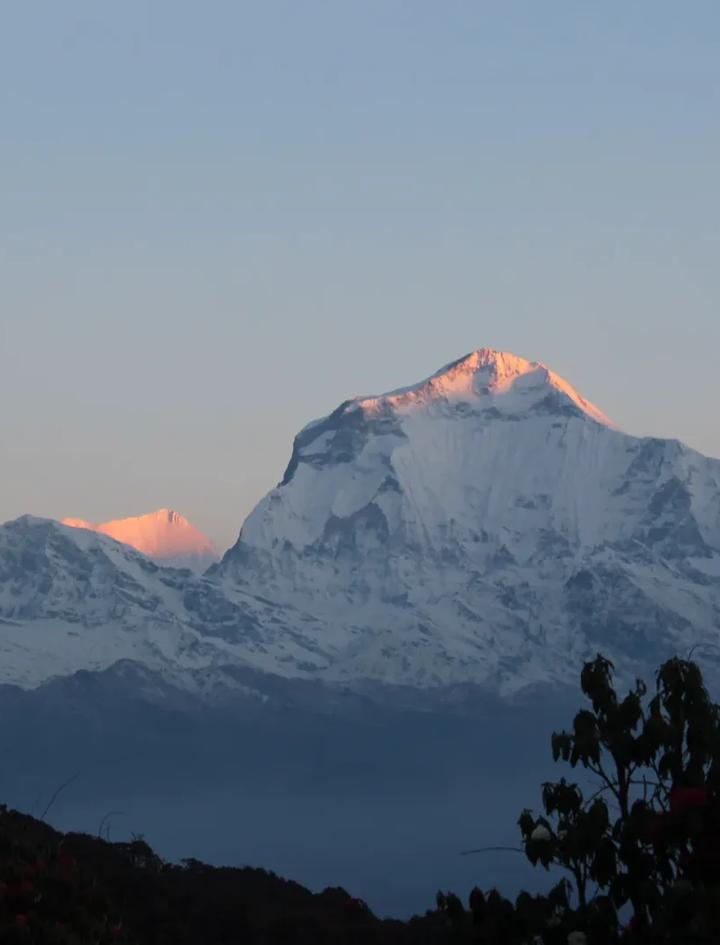
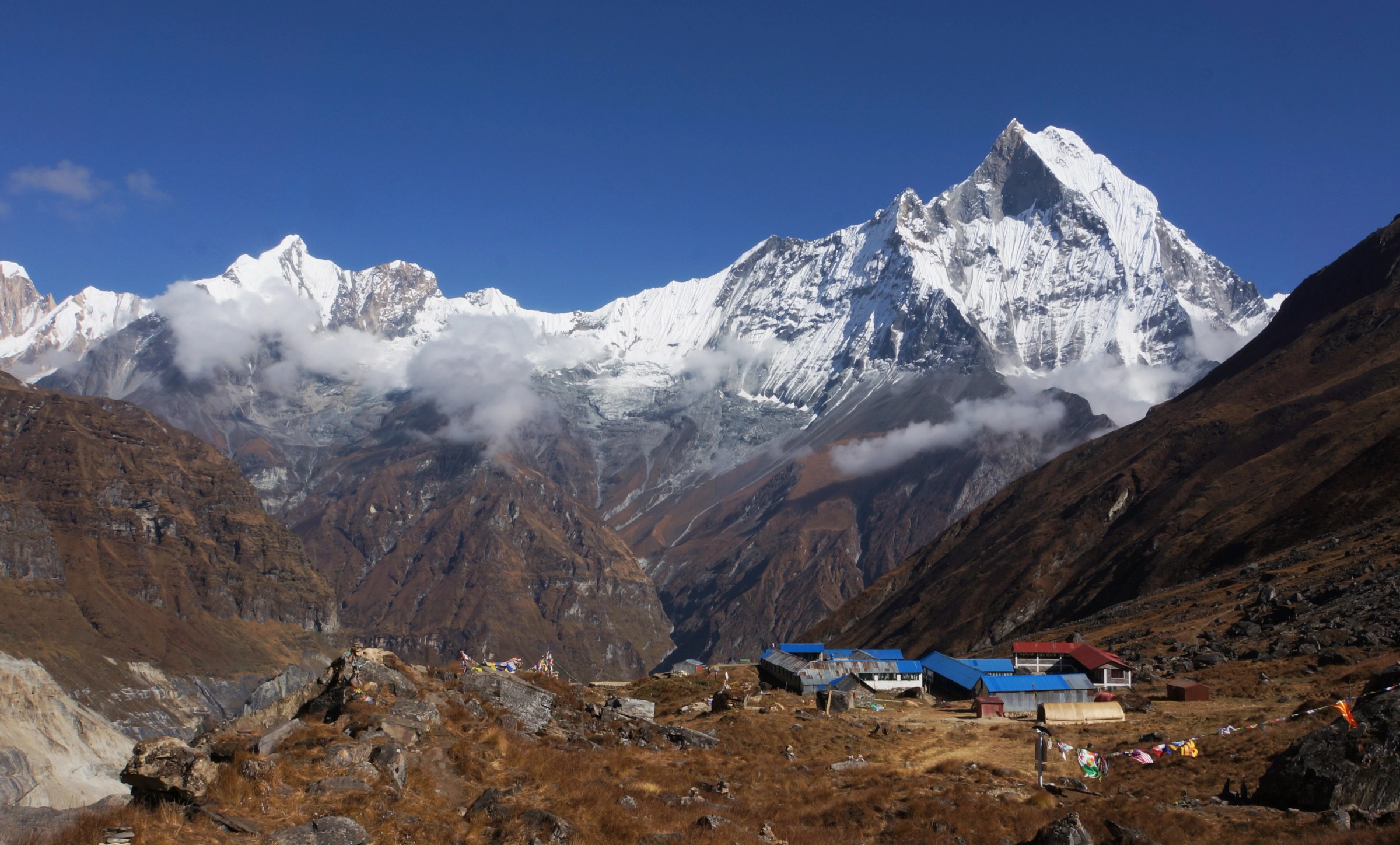
The Annapurna Base Camp trek is one of the most affordable classic treks in Nepal. It reaches 4,130m, passes through Gurung villages and rhododendron forest, and ends in a glacial amphitheater surrounded by four peaks above 7,000m. It also costs significantly less than most Himalayan treks of comparable reputation.
This is a full cost breakdown for 2026, with real prices in both NPR and USD, covering every category from permits to tips.
The Short Version
| Budget Style | Total Cost (USD) | What It Includes |
|---|---|---|
| Budget independent | $500-700 | Bus transport, basic teahouses, dal bhat meals, mandatory guide, own gear |
| Mid-range guided | $800-1,100 | Guide + porter, comfortable teahouses, mixed menu, Pokhara transfers |
| Full guided package | $1,275+ | 16-day package: guide, porter, meals, permits, transport, accommodation |
These figures cover the Nepal portion of the trip only. International flights and travel insurance are separate.
Permits: NPR 5,000 (~USD 38)
Two permits are mandatory for the ABC trail.
Annapurna Conservation Area Permit (ACAP): NPR 3,000 (approximately USD 23). Required for all foreign trekkers entering the Annapurna Conservation Area. Available at the Nepal Tourism Board counter in Kathmandu (Bhrikutimandap) or the Tourist Service Center in Pokhara.
TIMS Card (Trekkers' Information Management System): NPR 2,000 (approximately USD 15). This is a tracking permit. You need two passport-sized photos and a copy of your passport.
If you book with an agency, both permits are typically included in the package price and arranged before the trek starts. The combined cost is low compared to other trekking regions. The Everest Base Camp trek, by comparison, requires a Sagarmatha National Park permit (USD 50) on top of TIMS.
SAARC Nationals Pay Less
If you hold a passport from India, Bangladesh, Sri Lanka, Bhutan, Pakistan, Maldives, or Afghanistan, permit costs drop substantially. ACAP for SAARC nationals is NPR 200 (roughly USD 1.50) instead of NPR 3,000. TIMS is NPR 300 (roughly USD 2.30) instead of NPR 2,000. Total permit cost for SAARC trekkers: approximately NPR 500 (USD 4) versus NPR 5,000 (USD 38) for other nationalities.
This makes the ABC trek particularly attractive for Indian trekkers, who make up one of the largest groups on the Annapurna trail. Combined with overland entry from the border (no flight needed), an Indian trekker can reach base camp for significantly less than someone flying in from Europe or North America.
Guide and Porter: USD 300-600
Nepal requires all trekkers in the Annapurna region to hire a licensed guide. This is enforced at checkpoints.
Guide: USD 30-35 per day. A licensed trekking guide handles navigation, permits, teahouse arrangements, and communication with locals. For a 10-12 day trek on the trail, that is USD 300-420.
Porter: USD 20-25 per day. A porter carries up to 25 kg, usually split between two trekkers. For the same duration, that is USD 200-300. You can skip the porter if you carry your own pack, but most trekkers find the steep sections between Chhomrong and base camp more enjoyable without 12 kg on their back.
Tipping: Standard practice is 10-15% of the guide/porter fee, or roughly USD 5-10 per day for guides and USD 3-5 per day for porters.
With a guided package, these costs are bundled. Our 16-day ABC trek includes a licensed guide and porter support from day one.
Food: USD 20-30 Per Day
Teahouse menus on the ABC trail are standardized by the Annapurna Conservation Area Project. Prices increase with altitude, but the jumps are smaller than on the Everest trail because supply routes are shorter.
Breakfast: NPR 400-700. Porridge, tibetan bread, eggs, or pancakes with tea.
Lunch: NPR 500-900. Dal bhat (unlimited refills) is the best value. Noodle soups, fried rice, and momos are also available.
Dinner: NPR 500-900. Same menu as lunch. Most trekkers eat dal bhat at least once a day.
Tea and snacks: NPR 100-300 per cup of tea. Snickers bars and other packaged snacks cost NPR 200-400 at higher elevations.
Daily food total: USD 20-30 depending on choices. Dal bhat twice a day with tea keeps you closer to USD 20. Western dishes and frequent snacks push toward USD 30.
Over 10-12 trail days, food costs USD 200-360.
One practical tip: teahouses expect you to eat where you sleep. Rooms are cheap because the margin is on food. Ordering meals elsewhere and sleeping for a discount does not work and creates friction with lodge owners.
Accommodation: USD 5-15 Per Night
Teahouse rooms along the ABC trail are basic, functional, and inexpensive. You get a twin bed (sometimes two), a pillow, and usually a blanket. Bring your own sleeping bag.
Lower villages (Ghandruk, Chhomrong, Bamboo): NPR 500-1,000 per night (USD 4-8). Some lodges in Ghandruk have attached bathrooms and hot water.
Higher sections (Deurali, Machhapuchhre Base Camp, ABC): NPR 800-1,500 per night (USD 6-12). Rooms get more basic. Shared bathrooms are standard. The teahouse at Machhapuchhre Base Camp (3,700m) is sparse but functional.
Upgraded lodges: NPR 2,000-4,000 (USD 15-30) for lodges with attached bathrooms and better insulation. Available in lower sections only.
Over 10-12 nights, accommodation costs USD 50-150.
Hot showers cost NPR 300-500 extra at most teahouses above Chhomrong. Device charging runs NPR 200-400 per device. Wifi, where available, is NPR 200-300.
Transport: USD 25-140
Kathmandu to Pokhara
The ABC trek starts from Pokhara, so you need to get there from Kathmandu first.
Tourist bus: NPR 1,500-2,500 (USD 12-20). Takes 7-8 hours via the Prithvi Highway. Comfortable enough, with a rest stop at Riverside Spring Resort in Kurintar.
Deluxe/VIP bus: NPR 2,500-4,500 (USD 20-35). Wider seats, air conditioning, faster.
Domestic flight: NPR 10,000-16,000 (USD 80-125). Takes 25 minutes. Buddha Air and Yeti Airlines run multiple daily flights. Book early in peak season (October/November).
Private jeep: NPR 9,000-13,000 (USD 70-100) for the whole vehicle, not per person. Makes sense for groups of 3-4.
Pokhara to Trailhead
Nayapul (common starting point): NPR 500-1,000 by local bus (1.5 hours) or NPR 3,000-5,000 by private jeep.
Ghandruk (scenic start via the longer route): NPR 3,000-6,000 by jeep.
Return
Same options in reverse. Most trekkers end at Nayapul or Jhinu Danda and take a jeep back to Pokhara.
Round-trip transport budget: USD 25-50 by bus. USD 100-140 if you fly one direction.
Gear: USD 0-200
If you already own trekking gear, this costs nothing. If you need to rent or buy in Kathmandu or Pokhara, here are realistic prices.
Rental in Thamel (Kathmandu) or Lakeside (Pokhara):
| Item | Rental Cost (per day) |
|---|---|
| Down jacket | NPR 150-300 |
| Sleeping bag (-10C) | NPR 100-200 |
| Trekking poles (pair) | NPR 100-150 |
| Daypack | NPR 50-100 |
For a 12-day trek, full gear rental runs USD 30-60. Buying budget gear in Thamel (often decent quality knockoffs) costs more upfront but works if you plan to trek again.
The ABC trail does not require technical gear. No crampons, no ice axes, no ropes. Proper trekking boots, layered clothing, a sleeping bag, and rain protection cover it.
Travel Insurance: USD 40-100
Not optional. The ABC trail reaches 4,130m, and altitude sickness can require helicopter evacuation. A rescue from near base camp costs USD 3,000-5,000 without insurance.
Policies that cover high-altitude trekking (to 5,000m) and helicopter evacuation typically cost USD 40-100 for the trip duration. World Nomads and SafetyWing are popular choices among trekkers in Nepal. Check that your policy explicitly covers the altitude you will reach. Standard travel insurance usually caps at 3,000m.
Extras That Add Up
Some costs are easy to overlook.
Visa: USD 50 for a 30-day Nepal visa on arrival. Passport photos required.
Kathmandu/Pokhara spending: 2-3 days in each city for acclimatization, sightseeing, and buffer days. Budget USD 30-60 per day for hotel, food, and transport.
Hot springs at Jhinu Danda: NPR 100. Worth every rupee after 10 days of trekking.
Tips for teahouse staff: Small amounts (NPR 100-200) at lodges where you had good service.
Water purification tablets or SteriPEN: USD 15-25 upfront, saves you NPR 150-300 per bottled water purchase daily. Reduces plastic waste on the trail.
Full Budget Breakdown: Three Scenarios
Budget Trek (USD 500-700)
| Category | Cost (USD) |
|---|---|
| Permits (ACAP + TIMS) | $38 |
| Guide (12 days @ $30) | $360 |
| Food (12 days @ $20) | $240 |
| Accommodation (11 nights @ $5) | $55 |
| Transport (bus both ways + local) | $40 |
| Extras (charging, wifi, hot showers) | $30 |
| **Total** | **~$763** |
Realistically, a budget trek with the mandatory guide lands closer to USD 700-800. The USD 500 floor assumes splitting a guide between two trekkers and eating dal bhat exclusively.
Mid-Range Trek (USD 800-1,100)
| Category | Cost (USD) |
|---|---|
| Permits (ACAP + TIMS) | $38 |
| Guide (12 days @ $35) | $420 |
| Porter (12 days @ $22) | $264 |
| Food (12 days @ $25) | $300 |
| Accommodation (11 nights @ $10) | $110 |
| Transport (bus + jeep transfers) | $60 |
| Tips | $80 |
| Extras | $50 |
| **Total** | **~$1,322** |
Closer to USD 1,100 if you share a porter and take the bus for both Kathmandu-Pokhara legs.
Guided Package: Mountain Hawk Trek (from USD 1,275)
Our 16-day ABC trek package bundles:
- Licensed trekking guide for the full trek
- Porter support
- Teahouse accommodation (twin-sharing)
- Breakfast and dinner daily
- All permits (ACAP + TIMS)
- Kathmandu airport transfers
- Kathmandu-Pokhara-Kathmandu transport
Not included: International flights, travel insurance, lunch, personal spending (wifi, hot showers, charging, snacks, drinks), tips, gear.
The package price removes the logistics headache. Permits are arranged, teahouses are booked ahead during peak season, and transport is coordinated. For first-time trekkers in Nepal or those who prefer not to negotiate daily logistics on the trail, it simplifies everything.
Why the ABC Trek Costs Less Than EBC
This comes up constantly. The Everest Base Camp trek costs 30-40% more than the ABC trek for several reasons:
No Lukla flight. The EBC trek requires a return flight to Lukla (USD 180-400), which is the single biggest cost difference. The ABC trail starts from a driveable trailhead near Pokhara.
Lower park permit. ACAP costs NPR 3,000. The Sagarmatha National Park permit for EBC costs NPR 6,500 (USD 50).
Shorter supply lines. Pokhara to Chhomrong is a day's drive. Lukla to Gorak Shep takes a week of walking. Every kilo of rice, gas, and building material gets carried on someone's back past Lukla, and the prices reflect it.
Fewer trail days. The ABC trek takes 10-12 days on the trail versus 12-14 for EBC. Fewer days means fewer nights of accommodation and fewer meals.
If budget is a primary factor in your decision, the ABC trek delivers a comparable Himalayan experience at a significantly lower cost. Our complete ABC guide covers the full itinerary, difficulty, and what to expect.
How to Reduce Costs
A few practical ways to trim the budget without compromising the experience.
Travel by bus between Kathmandu and Pokhara. The flight saves 7 hours but costs USD 60-100 more each way. The bus ride through the river valley is scenic.
Eat dal bhat. It is the best value meal on the trail: a full plate of rice, lentil soup, vegetables, and usually pickles, with unlimited refills. Two dal bhat meals a day keep food costs near USD 20.
Share a porter. Two trekkers sharing one porter halves the daily porter cost for each person.
Trek in shoulder season. Late September and early December see slightly lower teahouse prices and fewer crowds. The weather is still good.
Carry water purification. A SteriPEN or chlorine tablets cost USD 15-25 and replace bottled water purchases for the entire trek. At NPR 150-300 per bottle at higher elevations, this saves USD 20-30 over the trek.
Buy or rent gear in Pokhara. Lakeside has the same trekking shops as Thamel in Kathmandu, often at slightly lower prices. Rental is cheaper than buying, and the quality is adequate for a single trek.
Solo vs Group: How Party Size Changes the Price
The mandatory guide requirement means truly solo trekking is no longer an option in the Annapurna region. But there is a large cost difference between hiring a guide for yourself alone versus splitting one across a group.
Solo trekker (1 person, 1 guide): You absorb the full guide cost. At USD 30-35 per day for 12 days, that is USD 360-420 on your shoulders alone. Add a porter for yourself at USD 20-25 per day, and the staffing cost is USD 600-720 for one person.
Pair (2 trekkers, 1 guide, 1 porter): Guide cost splits to USD 180-210 each. Porter shared, so USD 120-150 each. Staffing drops to USD 300-360 per person. That is nearly half.
Group of 4 (4 trekkers, 1 guide, 2 porters): Guide cost is USD 90-105 per person. Two porters (each carrying for two trekkers) add USD 120-150 per person. Staffing runs USD 210-255 each. Some agencies also offer group discounts on the package price.
Everything else (food, accommodation, permits, transport) stays roughly the same per person regardless of group size. The guide and porter line items are where groups save real money. If you are traveling solo and want to reduce costs, ask your agency whether other trekkers are departing on similar dates. Joining an existing small group is common and usually welcomed.
When Payment Happens
If you book an organized trek, here is the typical payment timeline.
At booking: 30% deposit to secure dates, guide, and permits. Our booking system processes this through WeTravel with secure payment.
Before departure: Remaining 70% due 30 days before the trek start date.
On the trail: Personal spending only. Cash in NPR. Budget NPR 3,000-5,000 per day for lunch, drinks, snacks, wifi, charging, and hot showers.
After the trek: Tips for guide and porter, typically handed over on the last day.
Final Thought
The Annapurna Base Camp trek is one of the best value treks in the Himalaya. The combination of a road-accessible trailhead, moderate altitude, and well-maintained teahouse infrastructure keeps costs lower than most comparable treks. A realistic all-in budget for 2026 is USD 800-1,300 for the Nepal portion, depending on your comfort level and whether you book a package.
The 16-day Annapurna Base Camp Trek page has the full itinerary, day-by-day breakdown, and booking options. The complete ABC guide covers difficulty, best time, and trail conditions.
For a shorter, less expensive trek in the same region, the Ghorepani Poon Hill Trek (10 days, from USD 675) is a good alternative that shares some of the same trail sections.