Best Time · Annapurna Base Camp

Annapurna Base Camp Trek in July

Tough seasonWettest month of the year, and the Sanctuary is closed in by cloud
22-25°C
Daytimeat Chhomrong
2 to -2°C
Overnightat Annapurna Base Camp
20-24 days
Rain / Snowdays with precipitation
Quiet
Trail Trafficvisibility poor
Annapurna Base Camp, the year at a glance

July is the wettest month on the Annapurna Base Camp trek, with rain on twenty or more days and the Sanctuary walls hidden behind cloud for most of them. The forest is at its most alive and its most leech-ridden. Anyone walking in July is doing it for the green, the solitude and the waterfalls rather than the mountains.

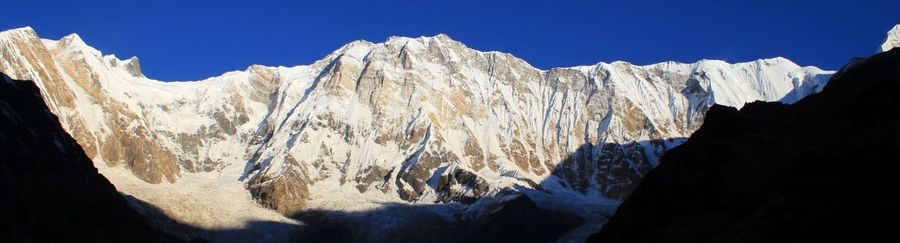
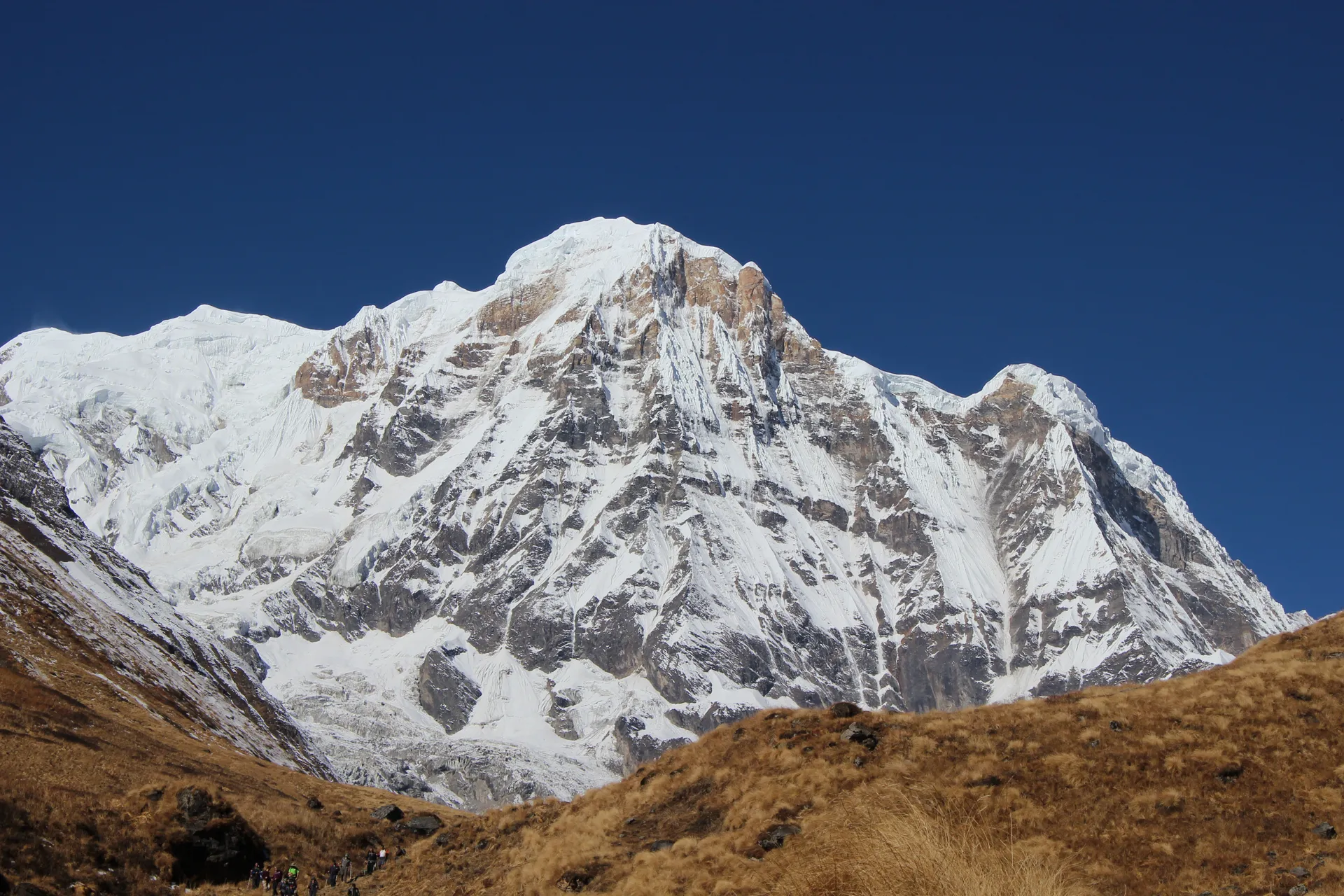
Snow-covered south face of Annapurna South rising above golden grassland
Weather by altitude

July temperatures, valley to high camp

WaypointElevation Day Night
Chhomrong2,117m22 to 25°C14 to 18°C
Deurali3,200m14 to 18°C7 to 11°C
Machhapuchhre Base Camp3,700m11 to 15°C3 to 7°C
Annapurna Base Camp4,130m9 to 13°C-2 to 2°C

Twenty to twenty-four wet days is the July average, and much of that rain falls overnight and in the early morning rather than as all-day drizzle. That pattern is the one thing working in a July trekker's favour: a wet night frequently gives way to a partly clear window between roughly 6am and 10am. Temperatures are mild everywhere, and base camp barely touches freezing at night, which makes July the warmest sleeping of the year up there.

On the trail

Trail conditions in July

Everything is wet, everything is green, and the waterfalls between Sinuwa and Deurali are running at a volume you will not see in any other month. The gorge is genuinely beautiful in July in a way the dry season never matches, and almost nobody is there to see it.

The trail surface is the problem. Stone steps are slick, mud is deep in the forest, and the descent from Chhomrong requires slow, deliberate feet. Landslip repairs and rerouted sections are common after heavy nights, so the route can differ from the map in small ways.

Leeches are at maximum. On a wet July day in the bamboo forest they are simply a constant, and the practical approach is to stop caring, check at each break, and get on with the walk. Above Deurali they disappear entirely.
Crowds & teahouses

Who else is up there

The trail is close to empty and the lodge situation thins accordingly. The lower villages stay open year-round, but a number of houses between Bamboo and Deurali shut for July, and the two Sanctuary lodges run reduced service with at least one open. Confirm the upper lodges before committing to a July itinerary rather than assuming a bed.

Getting in & out

Flights, roads and logistics

Road access holds up, with the usual monsoon caveat that the Kathmandu to Pokhara highway can lose hours to landslide clearance after a bad night. The Pokhara to trailhead road is the more fragile stretch and occasionally needs a walk-around or a change of vehicle. Compared with waiting five days for a Lukla flight, this is a mild inconvenience.

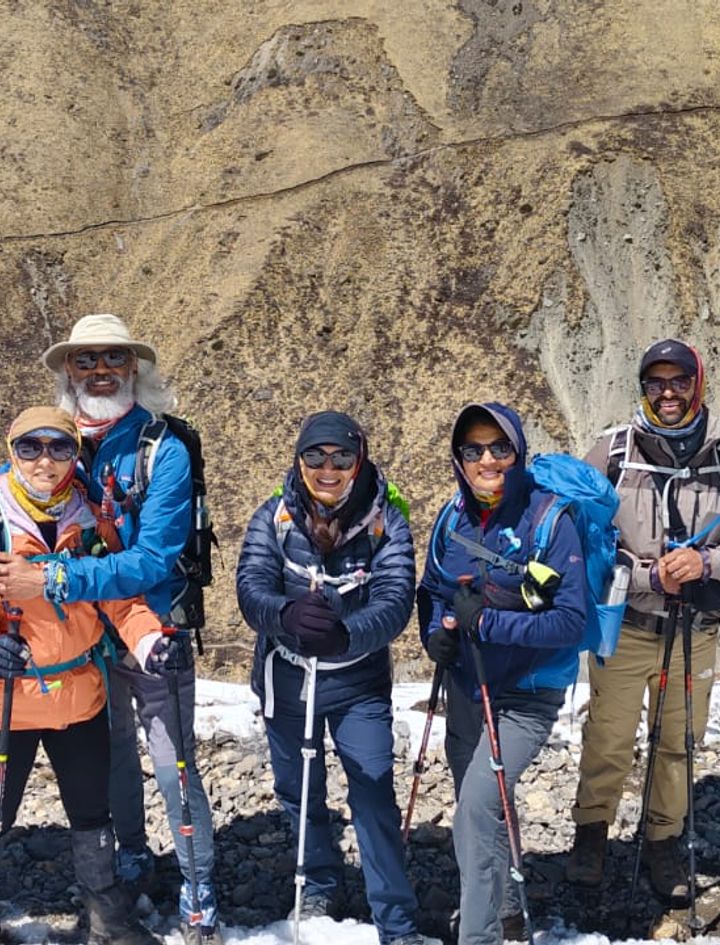
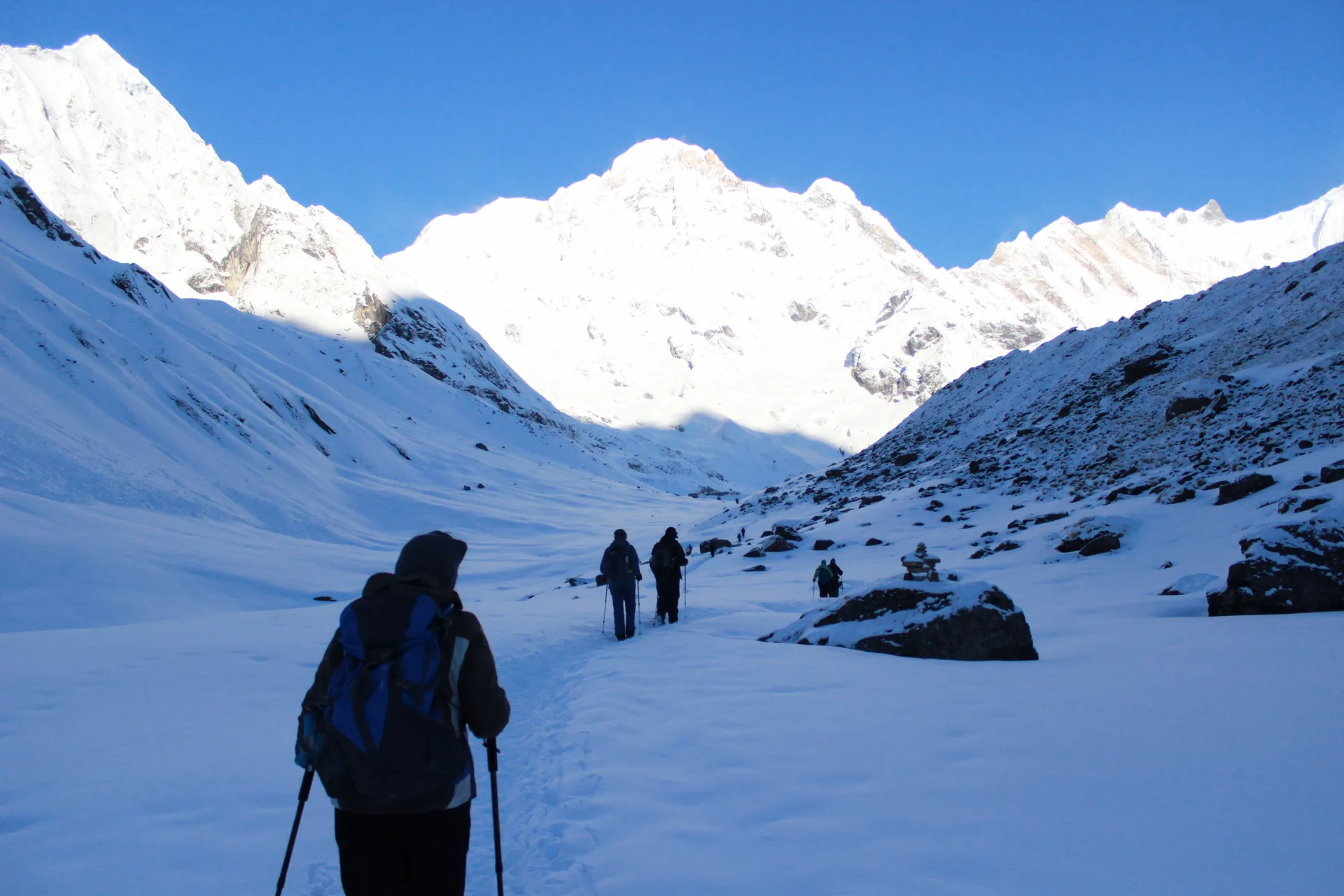
Trekkers walking through deep snow toward Annapurna Base Camp with peaks on both sides
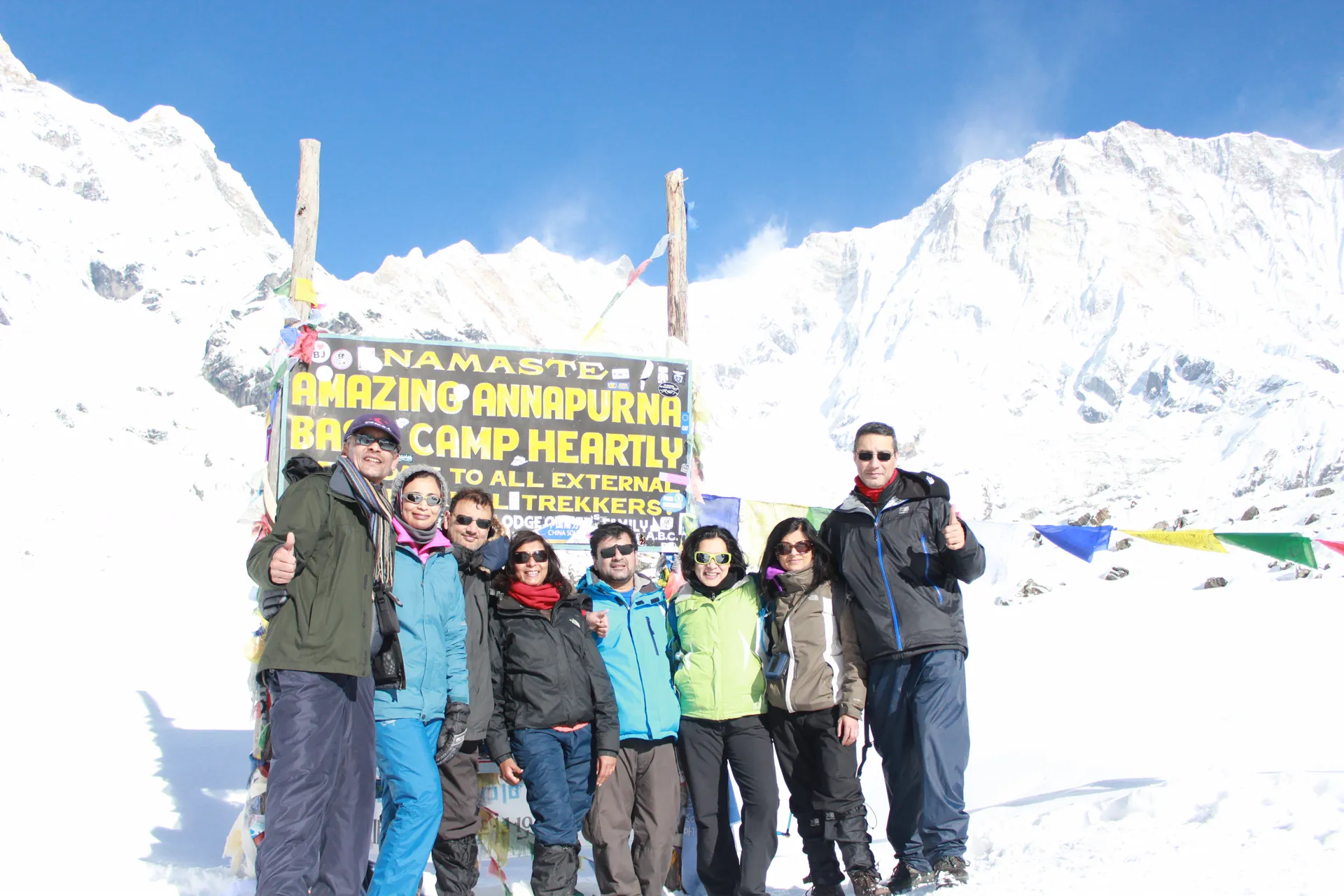
Seven trekkers at the snow-covered ABC sign with prayer flags and peaks behind
Pack for July

What changes this month

Frequently asked

July questions

Nepal trekking season 2026

Some mountains
don't wait

Permits close. Weather windows narrow. The best Everest region teahouse beds fill by October, and spring season opens again in March. Our Kathmandu team is already booking for autumn. If you have been planning a trek, this is the window.

TAAN & NTB certified15 years on these trailsResponse within 2 hours