Best Time · Everest Base Camp

Everest Base Camp Trek in July

Tough seasonDeep monsoon: the wettest, cloudiest month on the trail
14-16°C
Daytimeat Namche Bazaar
2 to -2°C
Overnightat Gorak Shep
20-25 days
Rain / Snowdays with precipitation
Quiet
Trail Trafficvisibility poor
Everest Base Camp, the year at a glance

July sits in the heart of the monsoon and is, with August, the hardest month to recommend for Everest Base Camp. Rain falls on most days, the peaks live behind cloud, trails run slick and Lukla flights are at their least dependable. Trekkers who go anyway get a warm, intensely green valley almost to themselves, but views are stolen in moments, not owned for mornings.

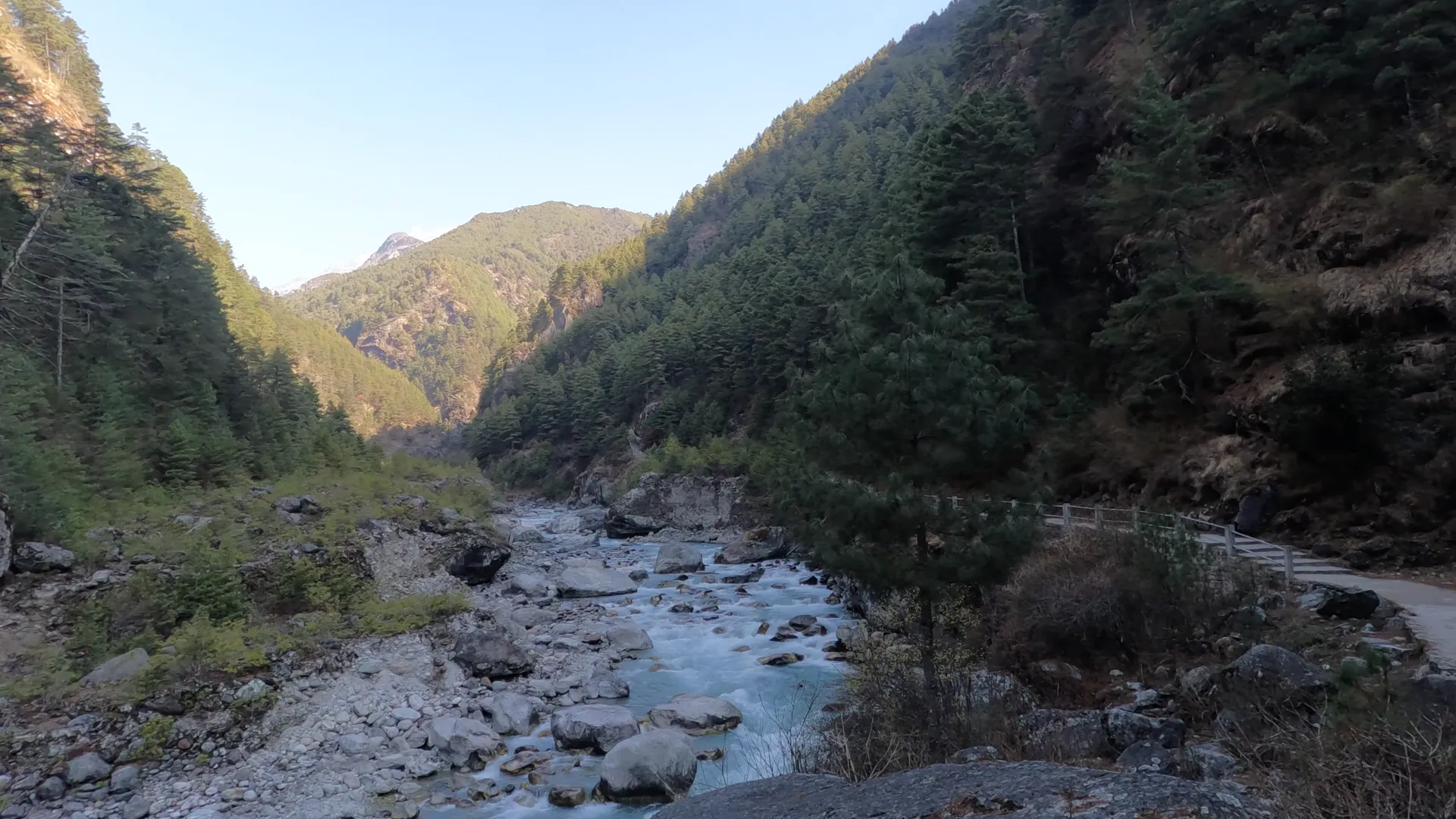
Dudh Koshi river winding through pine forest in the Khumbu valley
Weather by altitude

July temperatures, valley to high camp

WaypointElevation Day Night
Lukla2,860m16 to 18°C11 to 13°C
Namche Bazaar3,440m14 to 16°C8 to 10°C
Dingboche4,410m10 to 13°C2 to 5°C
Gorak Shep5,164m7 to 10°C-2 to 2°C

This is the warmest the high Khumbu ever gets, and the wettest. Rain arrives most afternoons and many nights, heavier and longer than June, while the highest stretches see wet snow rather than rain. Cloud is the default state of the sky; clear spells come as brief early-morning openings and sudden evening tears that close within the hour. Rivers run loud and full, and the air below Namche is humid in a way that surprises trekkers who know the valley from October.

On the trail

Trail conditions in July

Expect the wettest walking of the year. Stone staircases stay greasy for days at a time, the low forest is peak leech territory, and side streams that are stepping-stone crossings in autumn become proper fords after storms. None of this closes the standard route, which has no technical water crossings, but daily distances take longer and descent days demand real attention.

The reward is a Khumbu no photograph advertises: waterfalls on every wall, pastures at full green, buckwheat fields flowering around Dingboche and a silence in the high valley broken mostly by water. Village life runs at its most local, and lodge owners have time for long conversations that peak season never allows.
Crowds & teahouses

Who else is up there

The emptiest dining rooms of the year. A few high lodges use July for renovation closures, but the standard route keeps beds available in every village and no thought of booking is required. Where houses are open, you are often guest number one, and menus narrow to what the family is actually cooking. Prices for rooms are at their most negotiable.

Getting in & out

Flights, roads and logistics

Plan around the airlink, not the walking. July gives Lukla its worst dispatch reliability of the year: cloud sits in the valley through many mornings, and cancellation streaks of two or three days are unremarkable. Fly the earliest rotation you can get, hold two to three buffer days, and know the helicopter fallback economics before you need them. Some monsoon trekkers avoid the problem entirely by taking the overland route to the Khumbu and walking in, which adds days but subtracts the lottery.

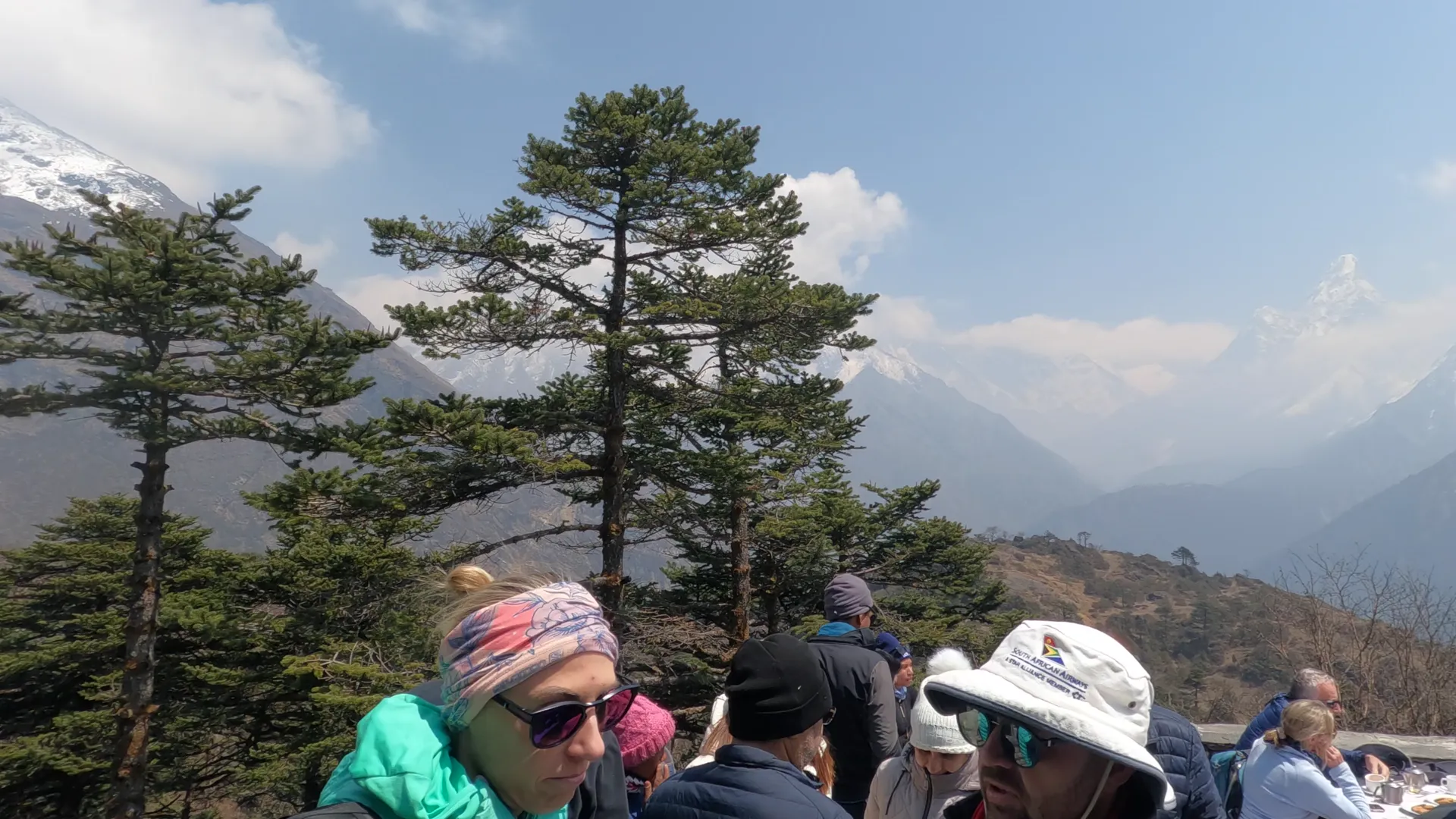
Trekkers resting at a viewpoint with pine trees and Himalayan peaks behind
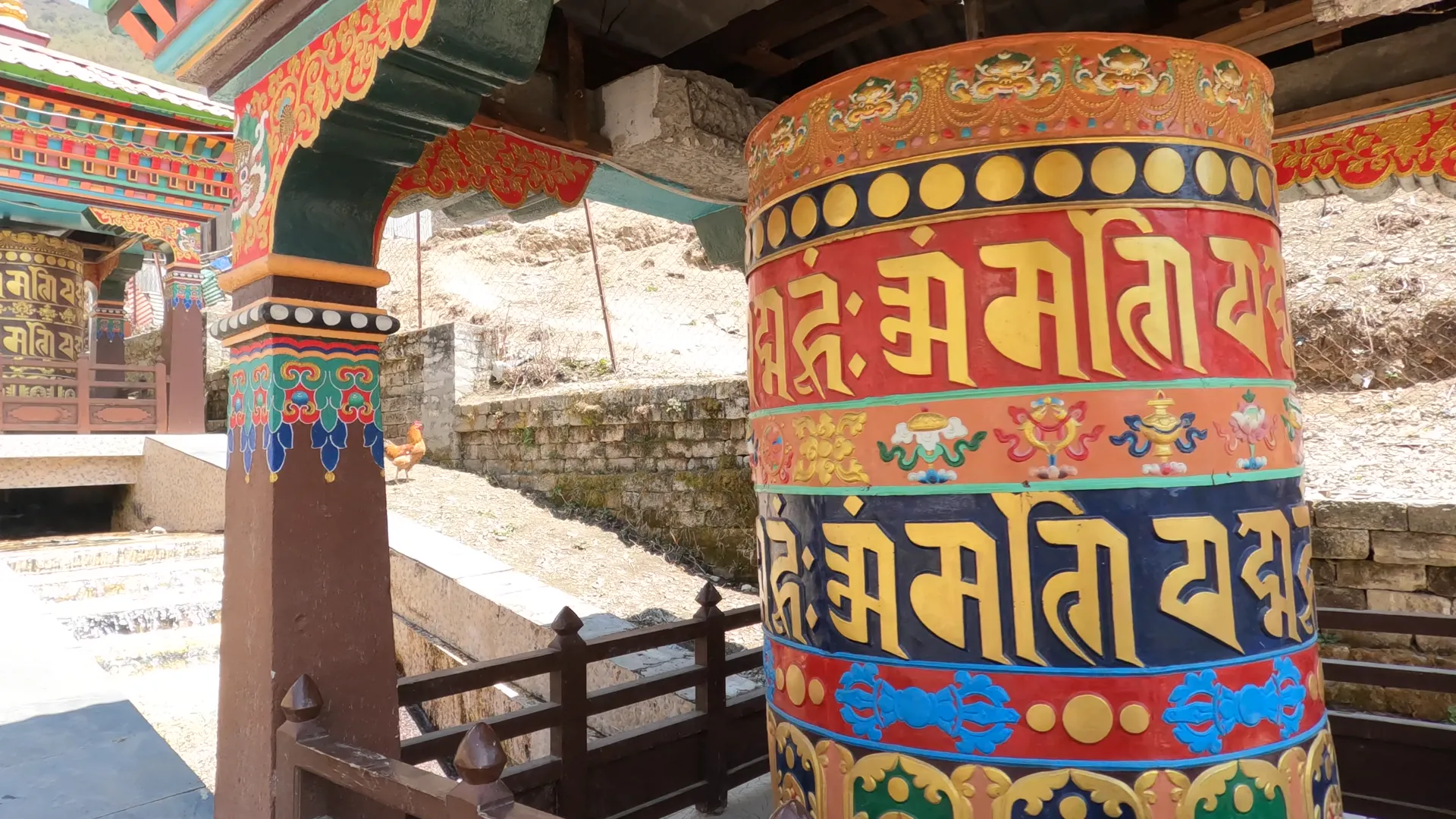
Colorful Buddhist prayer wheel with ornate painted designs at a monastery
Pack for July

What changes this month

Frequently asked

July questions

Nepal trekking season 2026

Some mountains
don't wait

Permits close. Weather windows narrow. The best Everest region teahouse beds fill by October, and spring season opens again in March. Our Kathmandu team is already booking for autumn. If you have been planning a trek, this is the window.

TAAN & NTB certified15 years on these trailsResponse within 2 hours