Best Time · Everest Base Camp

Everest Base Camp Trek in January

Shoulder seasonColdest month of the year, clearest skies, emptiest trail
4-7°C
Daytimeat Namche Bazaar
-15 to -20°C
Overnightat Gorak Shep
2-3 days
Rain / Snowdays with precipitation
Quiet
Trail Trafficvisibility excellent
Everest Base Camp, the year at a glance

January is the coldest month on the Everest Base Camp trail, with nights near -15 to -20°C at Gorak Shep, yet it delivers the clearest skies of the year and an almost private trail. It suits experienced trekkers with genuine four-season gear. If you can handle deep cold, January trades comfort for solitude and visibility few October trekkers ever get.

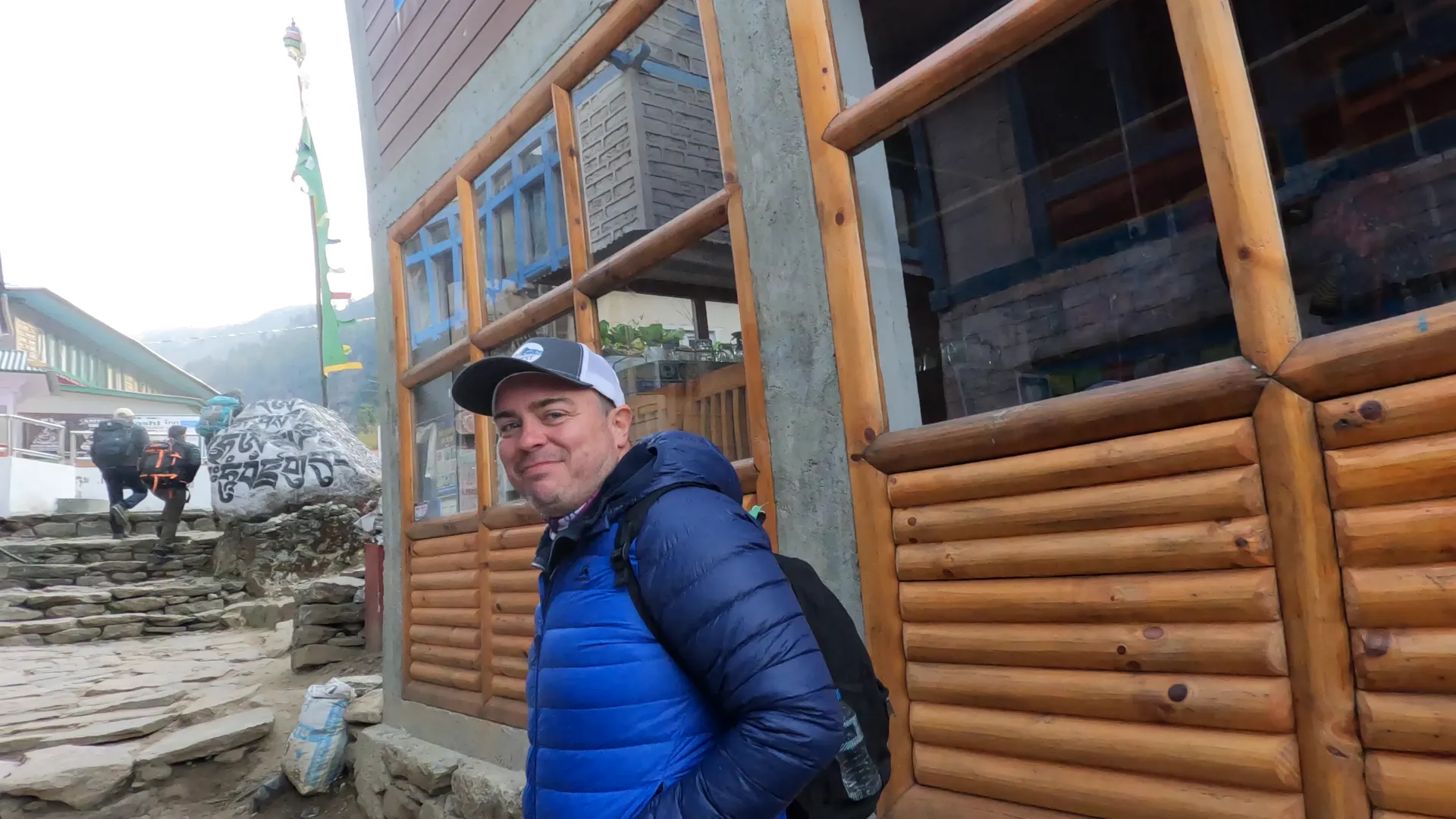
Trekker in blue jacket smiling outside a teahouse with mani stones
Weather by altitude

January temperatures, valley to high camp

WaypointElevation Day Night
Lukla2,860m7 to 10°C-5 to -1°C
Namche Bazaar3,440m4 to 7°C-9 to -4°C
Dingboche4,410m0 to 4°C-14 to -9°C
Gorak Shep5,164m-3 to 2°C-20 to -15°C

The numbers above are still-air temperatures, and January rarely leaves the air still. Wind chill on the exposed moraine between Lobuche and Gorak Shep regularly takes the felt temperature well below -25°C, and the pre-dawn push up Kala Patthar is the coldest hour of the entire trek. What you get in exchange is a winter high-pressure system that parks over the Khumbu for days at a time: two or three snow days a month, and the rest sharp, blue and windless by afternoon.

On the trail

Trail conditions in January

The trail itself is in better condition than most people expect. Snowfall in early winter is usually light, so the path to Base Camp is typically open, hard-frozen and quiet rather than buried. The sections that demand respect are the shaded staircases between Tengboche and Dingboche and the moraine above Lobuche, where compacted snow turns to bootleg ice. Microspikes weigh almost nothing and turn those stretches from nervous shuffling back into walking.

Days are short. Sunrise comes after 7am and the light is gone by 5:30pm, so itineraries run on a tighter clock and there is no margin for a late start. The flip side is that January afternoons are often dead calm and startlingly warm in the sun; trekkers regularly sit outside at Dingboche in a single fleece while the thermometer reads near zero.
Crowds & teahouses

Who else is up there

This is the quietest the Khumbu gets. You will share the trail with a handful of other parties, Sherpa families moving between villages, and very little else. Teahouses in every village stay open, though some families run a reduced house: fewer rooms heated, a smaller menu, and the dining-stove lit only in the evening. Gorak Shep keeps at least one lodge running all winter.

The practical win is that you will never need a booking, and the dining room you do find is intimate in a way October cannot be: one stove, one pot of thukpa, and everyone around the same fire. Bring a sleeping bag rated for genuine winter nights, because unheated bedrooms at Lobuche and Gorak Shep sit far below freezing.

Getting in & out

Flights, roads and logistics

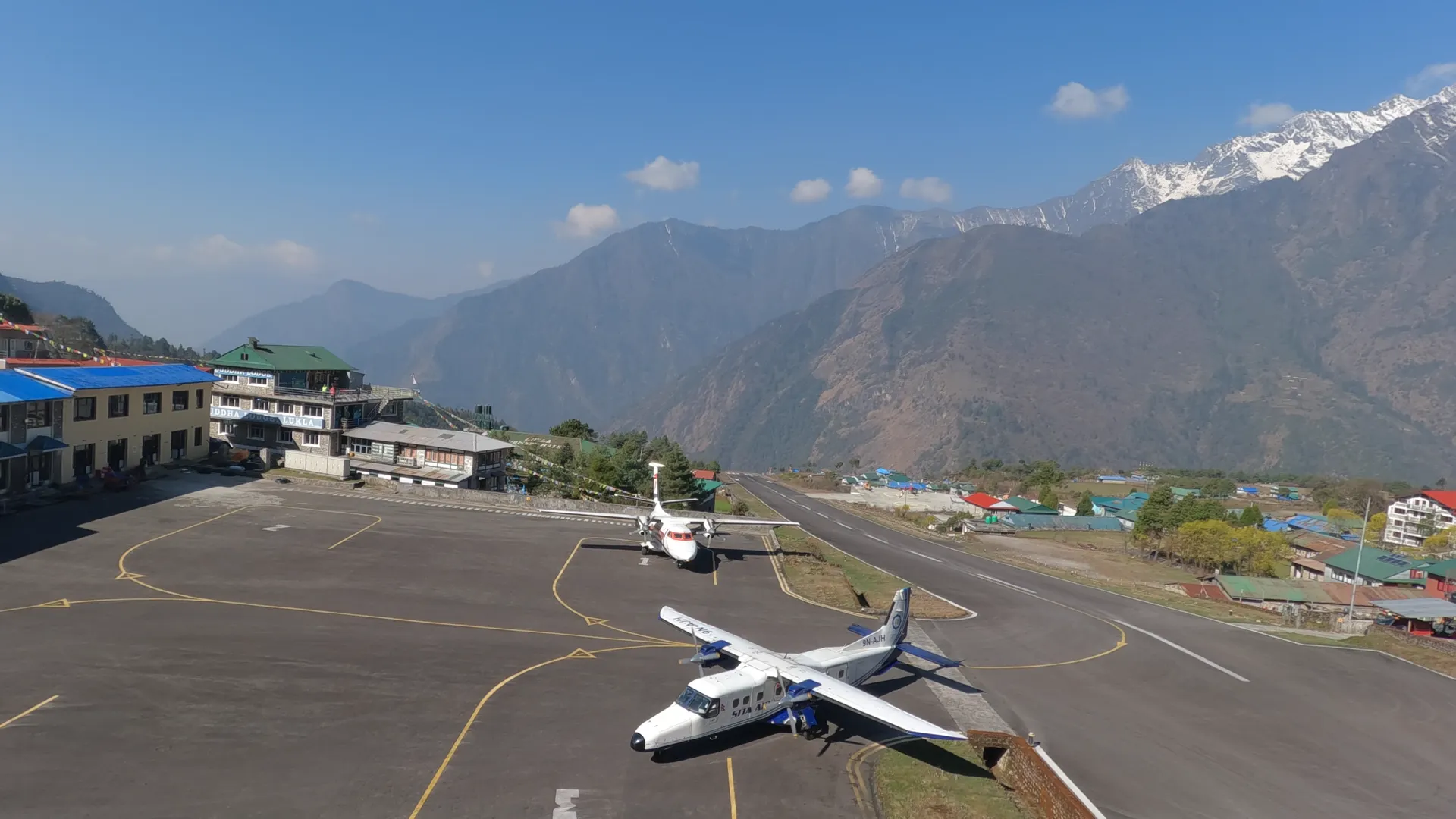
January is one of the easiest months to actually reach Lukla. Flight demand is so low that services operate directly from Kathmandu rather than Ramechhap, and seats are available on short notice. The risk shifts from crowding to weather: cold morning fog in Kathmandu and high winds at Lukla can push departures to mid-morning or, occasionally, to the next day. Build one buffer day on each end and January logistics are genuinely relaxed.

Two Twin Otter aircraft on Lukla airport runway with Himalayan peaks behind
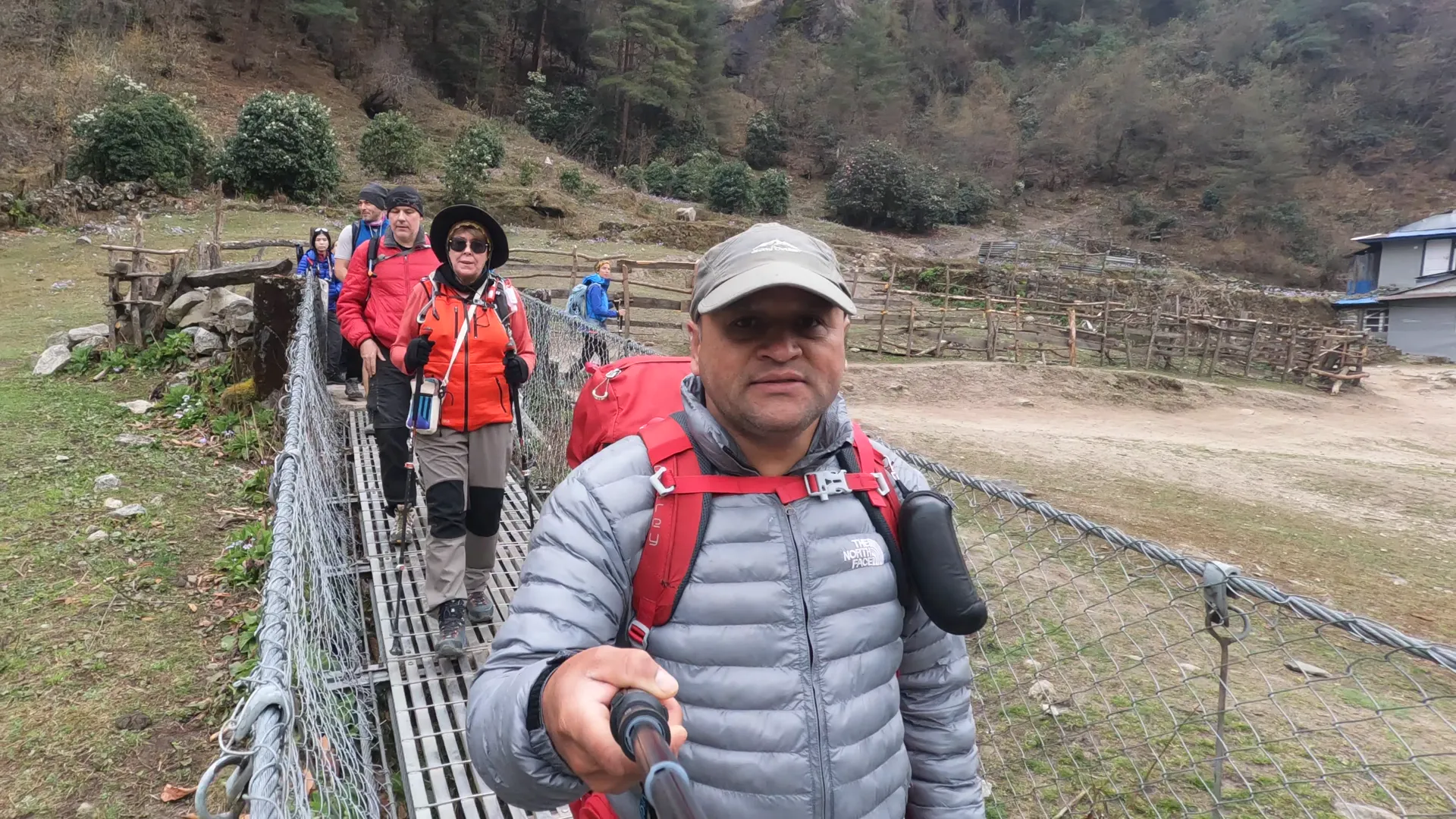
Prem leading trekkers across a suspension bridge in the Khumbu valley
Pack for January

What changes this month

Frequently asked

January questions

Nepal trekking season 2026

Some mountains
don't wait

Permits close. Weather windows narrow. The best Everest region teahouse beds fill by October, and spring season opens again in March. Our Kathmandu team is already booking for autumn. If you have been planning a trek, this is the window.

TAAN & NTB certified15 years on these trailsResponse within 2 hours