Best Time · Island Peak

Island Peak Climbing in January

Tough seasonDeep winter climb: brutal High Camp cold, cheapest permit, experienced only
-1 to 3°C
Daytimeat Chukhung
-18 to -23°C
Overnightat Island Peak High Camp
2-3 days
Rain / Snowdays with precipitation
Quiet
Trail Trafficvisibility excellent
Island Peak, the year at a glance

January puts Island Peak in deep winter: High Camp nights fall well below minus 20°C, the headwall ices hard, and days shrink to about ten hours of light. The NMA permit is at its cheapest, USD 175, but this is not a first 6,000er month. Climbers with genuine cold-weather mountaineering behind them can succeed; everyone else should book April or October instead.

Weather by altitude

January temperatures, valley to high camp

WaypointElevation Day Night
Namche Bazaar3,440m4 to 7°C-9 to -4°C
Dingboche4,410m0 to 4°C-14 to -9°C
Chukhung4,730m-1 to 3°C-17 to -12°C
Island Peak High Camp5,600m-6 to -1°C-23 to -18°C

January sits at the coldest edge of the Island Peak calendar, and anyone comparing island peak weather by month quickly sees January and July as the two extremes, one locked in ice, the other locked in cloud. The same winter high pressure that clears the Khumbu for weeks at a stretch also strips any insulation from the night sky, so still-air readings understate what High Camp actually feels like once the pre-dawn wind finds you on the glacier. The headwall responds to the cold by hardening: snow that softens under an April sun stays bulletproof ice in January, which slows front-pointing and lengthens the two-hour crux to something closer to three. Daylight is short, under ten hours at Chukhung, and the summit push has almost no room for a late start.

On the trail

Trail conditions in January

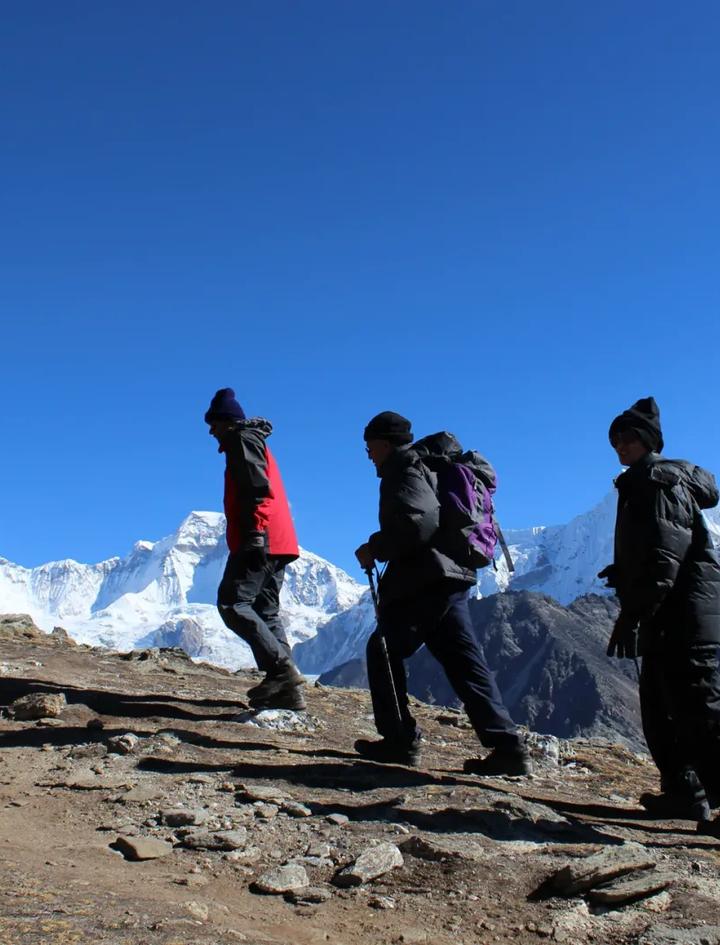
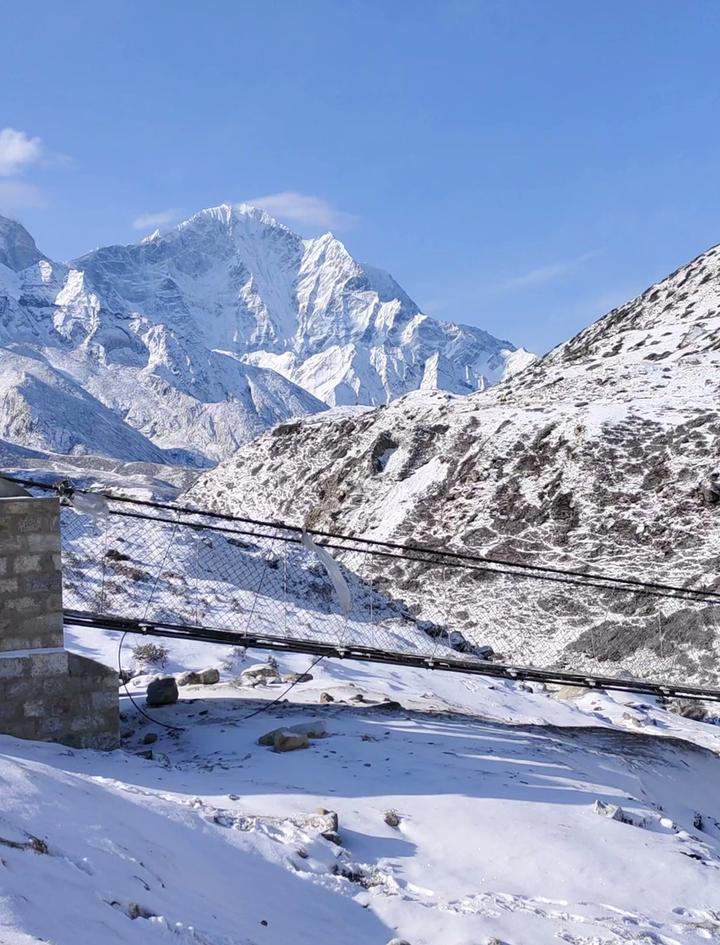
The shared EBC trail behaves the way it does every January: hard-frozen, mostly clear of deep snow, with ice consolidating in the shaded staircases below Tengboche and across the Khumbu Glacier moraine above Lobuche. Microspikes handle those stretches; nobody needs crampons before Chukhung. Above Dingboche the valley empties out fast this month, and the walk into Chukhung on day 11 is often just wind, prayer flags snapping, and the outline of Island Peak standing over its own glacier.

On the mountain itself, January’s crevasses are the same crevasses as every other month, but the snow bridges over them are thinner and colder, which is exactly why the climbing Sherpa reads the glacier crossing slower and more conservatively than in spring. The headwall’s 100 vertical meters hold their hardest ice of the year, and a January ascent on the fixed rope is a genuinely different climb from the same rope in May.
Crowds & teahouses

Who else is up there

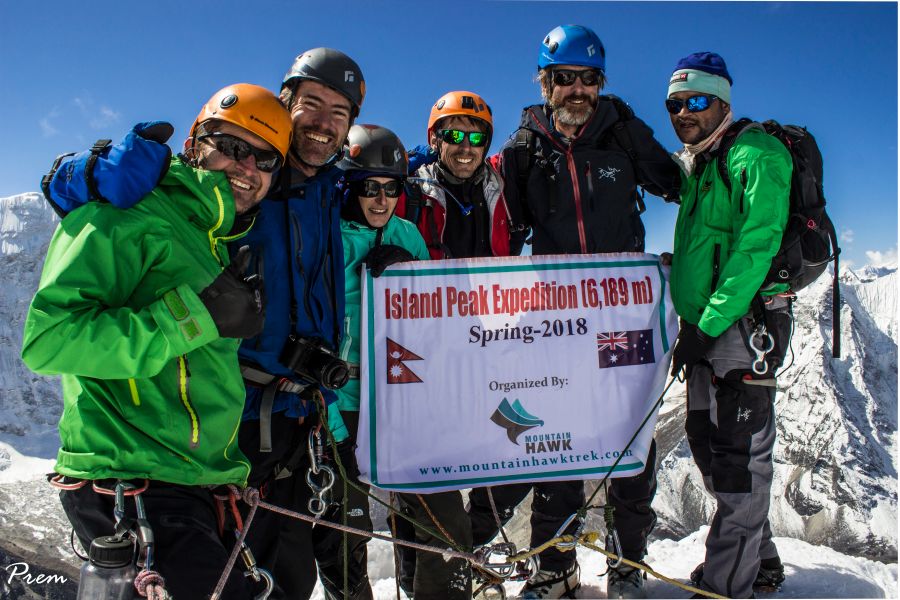
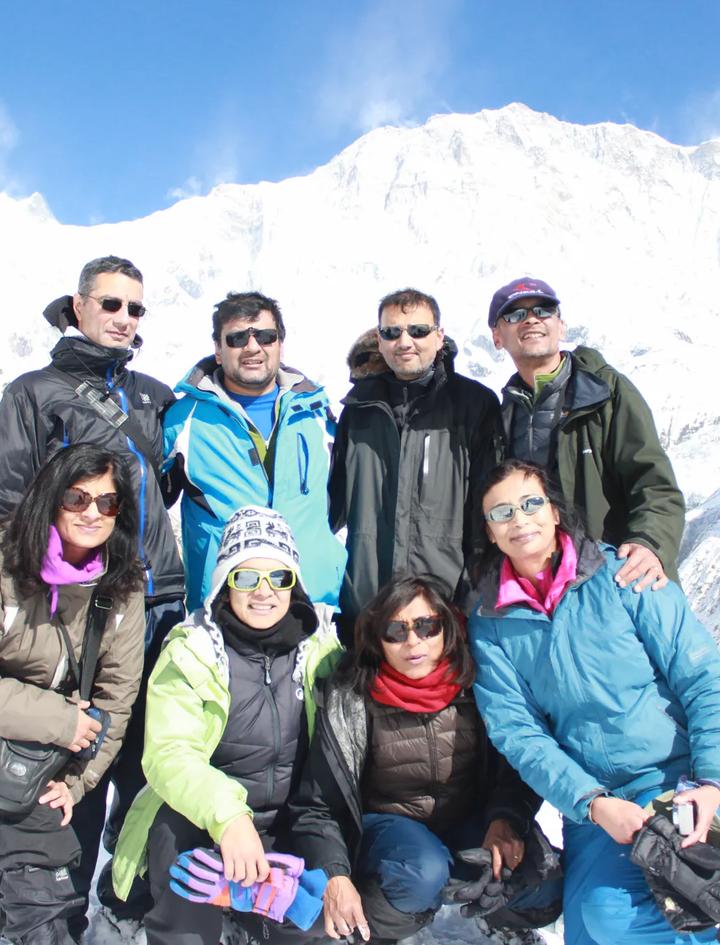
Quiet does not begin to cover it. Namche and Dingboche keep a handful of houses running through winter, and Chukhung, already the quietest overnight stop on the standard route, can be down to one or two open lodges with a single climbing party in residence. Pareshaya Gyab base camp in January is usually just your own tents on the moraine, no queue for the skills-session rope, no other team’s headlamps on the glacier ahead of you.

Getting in & out

Flights, roads and logistics

Lukla flights run direct from Kathmandu through January, since winter demand never builds enough to justify the Ramechhap shuffle, and seats are rarely a problem. The risk moves from crowding to weather: cold morning fog at Kathmandu and wind at Lukla’s short runway can hold a rotation to midday or push it a day. Build the buffer generously around a January date, because day 18 in Kathmandu is the trip’s only spare day and a stacked flight delay eats it fast.

Pack for January

What changes this month

Frequently asked

January questions

Nepal trekking season 2026

Some mountains
don't wait

Permits close. Weather windows narrow. The best Everest region teahouse beds fill by October, and spring season opens again in March. Our Kathmandu team is already booking for autumn. If you have been planning a trek, this is the window.

TAAN & NTB certified15 years on these trailsResponse within 2 hours