Best Time · Kanchenjunga Base Camp

Kanchenjunga Base Camp Trek in January

Tough seasonThe coldest nights on the route at Lhonak, snow on the passes, and an empty trail
4-7°C
Daytimeat Ghunsa
-18 to -13°C
Overnightat Pangpema
2-3 days
Rain / Snowdays with precipitation
Quiet
Trail Trafficvisibility excellent
Kanchenjunga Base Camp, the year at a glance

January is the hardest month on this route. Nights at Lhonak fall to about minus 18 to minus 13°C in still air, the tour notes call winter extremely cold above 4,000m, and day 14 asks for three passes in one push. Skies are clear and the trail is empty, but fresh snow on any pass can rewrite the schedule. Treat it as a month for prepared, experienced trekkers.

Weather by altitude

January temperatures, valley to high camp

WaypointElevation Day Night
Ghunsa3,415m4 to 7°C-9 to -4°C
Khambachen4,145m2 to 6°C-12 to -7°C
Lhonak4,792m-1 to 4°C-18 to -13°C
Pangpema5,143m-3 to 2°C-20 to -15°C

January sets the floor of the whole calendar. Every figure above is a typical still-air range, not a record, and wind on open ground will pull the real feeling lower. Ghunsa is the last place that behaves like a village, with days of 4 to 7°C. From Khambachen upward the nights run minus 12 to minus 7°C, and at Lhonak, the highest bed on the route, they sink to minus 18 to minus 13°C. Pangpema is a daytime visit from Lhonak, so its night value is a reference only. Dry air is the compensation: rain barely registers this month, and whatever falls up high falls as snow.

On the trail

Trail conditions in January

The first week is the gentle part. After the road to Sekathum, the walk climbs from Amjilosa at 2,380m through Gyabla at 2,725m to Ghunsa at 3,415m in three short days of five or six hours each. That is the lowest ground on the route and the part least exposed to winter at its worst. The rest day at Ghunsa on day 8 matters more in January than in any warm month, because the next morning the trail climbs 730m to Khambachen.

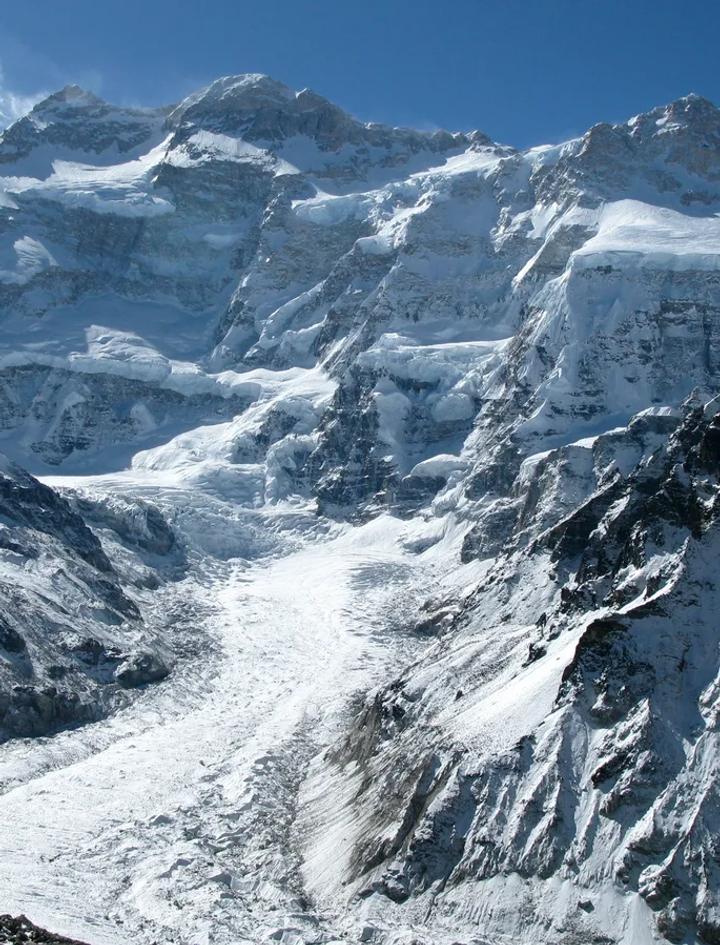
Then the cold stack begins. Khambachen at 4,145m, Lhonak at 4,792m, and a second night at Lhonak after the Pangpema day make three nights in a row above 4,000m, each in colder air than the one before. Day 11 is the outing where wind decides more than the thermometer: Pangpema sits 351m above the Lhonak bed, the day is seven hours with the return, and a cold start with gloves already on is the normal January pattern.

Day 14 is where January can change the plan. Sele Le Base Camp to Tseram crosses Sele Le, Sinion La at 4,440m and Mirgin La at 4,480m in about seven hours, and fresh snow on any one of the three turns a long day into a longer one. By then the northern leg has done the acclimatising, so snow and not altitude is the variable. Tseram at 3,870m is a warmer bed than anything behind it, and Oktang on day 15 is the reward, 4,740m reached from Ramche at 4,580m.
Crowds & teahouses

Who else is up there

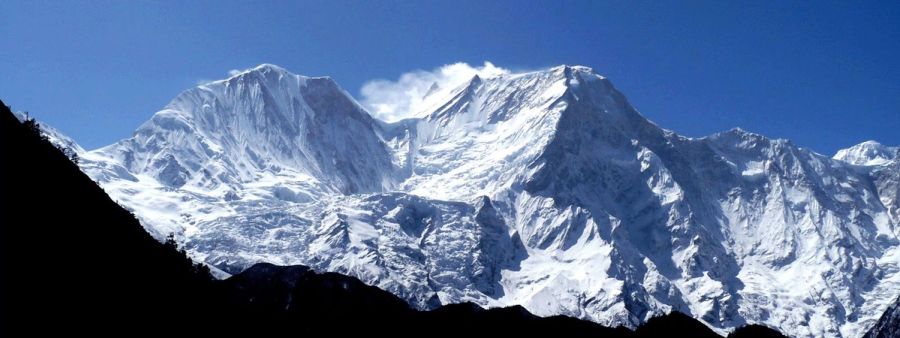
January is as empty as this trail ever gets, and the trail is never busy. The tour doc puts the route at about 200 trekkers a year, so in midwinter the realistic expectation is days with no other group in sight. Facilities above Tseram are simple in any month and the tour notes warn that infrastructure above 3,000m is limited, so a quiet January is also a month with the least slack if something goes wrong.

That matters because help is slow to arrive. Helicopter evacuation takes longer here than in the Khumbu or Annapurna regions, according to the tour notes, and in short winter daylight the window for any move is narrower. A guide is mandatory in the restricted area in every month, and in January that requirement does real work.

Getting in & out

Flights, roads and logistics

The long road days are at their driest in January. Day 3 from the eastern lowlands to Taplejung is 249 km and takes 8 to 9 hours, and day 4 to Sekathum is a further 39 km in 5 to 6 hours. Without monsoon rain, the surface and the slopes beside it give the schedule its best chance of running as printed. Winter morning cloud can still delay the flight leg, so the buffer day belongs before the trek, not inside it.

Pack for January

What changes this month

Frequently asked

January questions

Nepal trekking season 2026

Some mountains
don't wait

Permits close. Weather windows narrow. The best Everest region teahouse beds fill by October, and spring season opens again in March. Our Kathmandu team is already booking for autumn. If you have been planning a trek, this is the window.

TAAN & NTB certified15 years on these trailsResponse within 2 hours