Day01
Drive to Soti Khola
Soti KholaDrive to Soti Khola (710 m), approximately 7 hours. Overnight at tented camp.
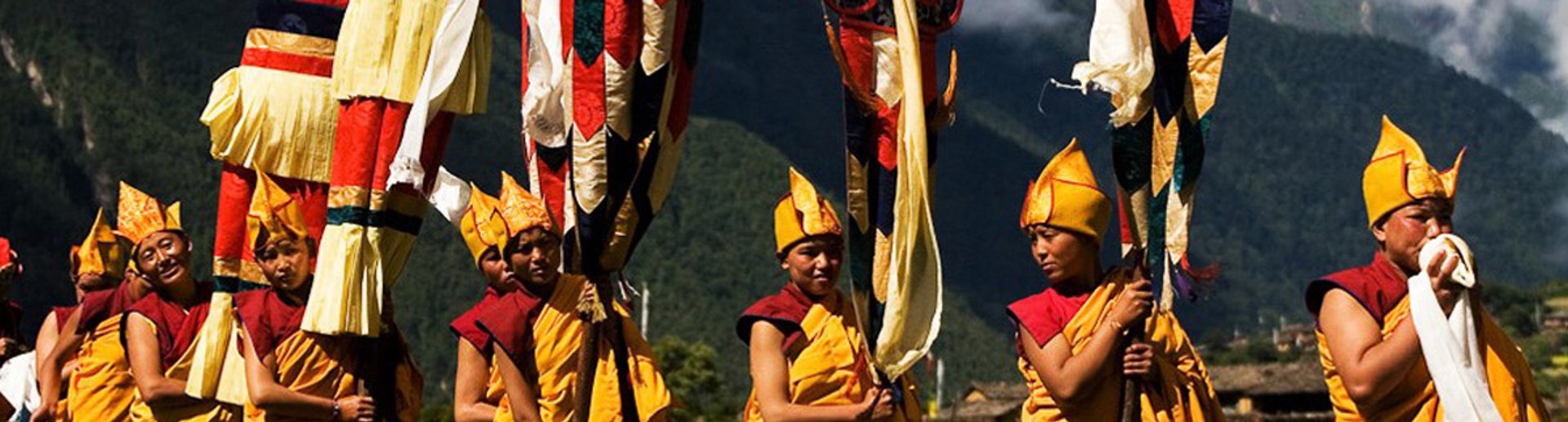

Enter the hidden Tsum Valley, a sacred Tibetan Buddhist enclave branching off the Manaslu Circuit. Ancient monasteries, mani walls, and the remote villages of Chhokang Paro and Mu Gompa. Cross Larkya La Pass (5,106m). 16 days, from USD 1,775.
The Tsum Valley mani walls are extraordinary: stone walls stretching hundreds of meters through the valley, carved with mantras and painted in fading colors. The largest walls near Chhokang Paro date back centuries and are maintained by villagers as acts of devotion.
Mu Gompa at 3,700m is the highest monastery in the Tsum Valley, perched on a ridge above the Siyar Khola. Monks live here year-round. The monastery holds prayer ceremonies daily and welcomes visitors who respect the sacred space.
The Tsum Valley was closed to outsiders until 2008, and it shows. The villages have no tourism infrastructure beyond basic lodges. The landscape, culture, and pace of life are unchanged by trekking. This is one of the last valleys in Nepal that feels genuinely untouched.
The Tsum Valley Manaslu Trek is a 16-day route that detours into the hidden Tsum Valley from the Manaslu Circuit. The Tsum Valley is a sacred Tibetan Buddhist enclave that branches north from the Budhi Gandaki gorge, reached via a side trail from Chumling. The valley contains some of the longest mani walls in Nepal, ancient Buddhist monasteries, and Tibetan-speaking villages that were closed to outsiders until 2008.
The trail enters the Tsum Valley at Chumling and follows the Siyar Khola to Chhokang Paro and Mu Gompa (3,700m), the highest monastery in the valley. The landscape is arid and windswept, resembling western Tibet. After exploring the valley, the route returns to the Manaslu Circuit and continues to Samagaon, Samdo, and over Larkya La Pass (5,106m) to Bimtang and Dharapani.
Permits: Manaslu Conservation Area, restricted area permit, and TIMS card. All included.
For the Manaslu Circuit without the Tsum Valley detour, the Manaslu Circuit Trek covers the loop in 15 days (USD 1,675). To extend with the Annapurna Circuit after Larkya La, the Manaslu and Annapurna Circuit Trek crosses Thorong La as well in 23 days.
16 days from Kathmandu arrival to departure. Hover any day for full details.
Drive to Soti Khola (710 m), approximately 7 hours. Overnight at tented camp.
Trek to Machha Khola (900 m), approximately 5.5 hours. Overnight at tented camp.
Trek to Jagat (2,340 m), approximately 6 hours. Overnight at tented camp.
Trek to Chisopani (1,660 m), approximately 5 hours. Overnight at tented camp.
Trek to Chumling (2,386 m), approximately 6 hours. Overnight at tented camp.
Trek to Chhokangparo (3,010 m), approximately 5 hours. Overnight at tented camp.
Trek to Nile (3,361 m), approximately 6 hours. Overnight at tented camp.
Trek to Mu Gompa (3,700 m), approximately 4 hours. Overnight at tented camp.
Exploration day around Mu Gompa. Overnight at tented camp.
Trek to Burgi Village (3,245 m), approximately 5 hours. Overnight at tented camp.
Trek to Chumling (2,386 m), approximately 6 hours. Overnight at tented camp.
Trek to Philim (1,570 m), approximately 7 hours. Overnight at tented camp.
Trek to Khorla Besi (970 m), approximately 6 hours. Overnight at tented camp.
Trek to Soti Khola (710 m), approximately 6 hours. Overnight at tented camp.
Drive back to Kathmandu by bus, approximately 7 hours. Overnight at hotel.
Transfer to the international airport for your final flight departure.
Airport to hotel to airport pickup and drop-off by private car, van, or bus.
Standard meals (lunch, dinner, and breakfast) and teahouse or camping accommodation during the trek.
A government-licensed English-speaking guide for the trek, the required number of porters, and their food, accommodation, salary, insurance, equipment, and a general first aid kit.
Annapurna and Manaslu Conservation Area permits and all other necessary permits.
Surface transfer from Kathmandu.
Down jacket, duffel or kit bag, and sleeping bag (to be returned after the trek).
All applicable government taxes.
Tourist service charge and VAT.
Lunch, dinner, and accommodation while in Kathmandu.
Travel insurance (compulsory).
International airfare and airport departure tax.
Nepal entry visa fee.
Items of a personal nature such as alcoholic drinks, soft drinks, and laundry.
Personal trekking equipment.
Tips for trekking staff and driver.
Sightseeing and monument entrance fees.
Any other expenses not mentioned in the Price Includes section.
Dear guest, should you require additional accommodation in Kathmandu, we are pleased to offer the following rates: US$60 per person per night for a single room and US$35 per person per night for a double (twin sharing) room, both inclusive of breakfast.
Three reasons this trek stays with you long after the plane home.
The Tsum Valley was closed to foreigners until 2008. Very few trekkers have seen it. The cultural authenticity is unmatched.
Mani walls stretching hundreds of meters through the valley are some of the longest and oldest in Nepal.
Mu Gompa at 3,700m is a living monastery in a landscape that looks like western Tibet.
A few things worth knowing before you commit. No sugar-coating, no surprises on day one.
You want to see one of Nepal's most remote and culturally preserved valleys.
You can walk 6 to 7 hours a day for 13 trekking days with one pass at 5,106m.
You are interested in Tibetan Buddhist culture: monasteries, mani walls, and traditional village life.
Prior altitude experience above 4,500m is recommended for the Larkya La crossing.
Budget is USD 1,775. Includes restricted area permit, conservation area permit, and full guide support.
The full kit that's built from years on the trail. Skip it at your own risk, bring it and you'll never think about it again.
Duffel bag ( Company provide complementary)
Day pack
Down Jacket and Sleeping bag 4 season ( if you need nice and clean down jacket and sleeping bag company provide which needs to be returned after the trek)
Hiking pants
Waterproof jacket
Full, sleeves shirt
Jumper or pile jacket
T, shirts
Trekking boots (Water proof)
Camp shoes/Sandal
wool socks
Light cotton socks for under wool socks( take quite several pairs of these too. Better to carry some extra weight rather than spend the whole time washing socks)
Sun hat
Beanie
Gloves
Sun block for lips
Sun lotion
Goggles or sunglasses ( with spare )
Thermal Long underwear (take quite a few pairs. Although the weather may be cold one tends to sweat a lot)
windproof pants
Water bottle
Sewing kit
Medical & first aid kit
Flash light ( with spare batteries)
Personal towel
Personal toiletries and medication which should be labelled Please.
Tight fitting, figure-hugging clothing, such as those made with Lycra can often be offensive to locals, especially on women. If you find these items comfortable as a base layer then please pack something to wear over the top of them.
Still have questions? Tap through the answers below or reach out directly. We reply within the hour.
Real reviews from real trekkers who have walked this exact route. No curation, no edits.