Trail conditions in January
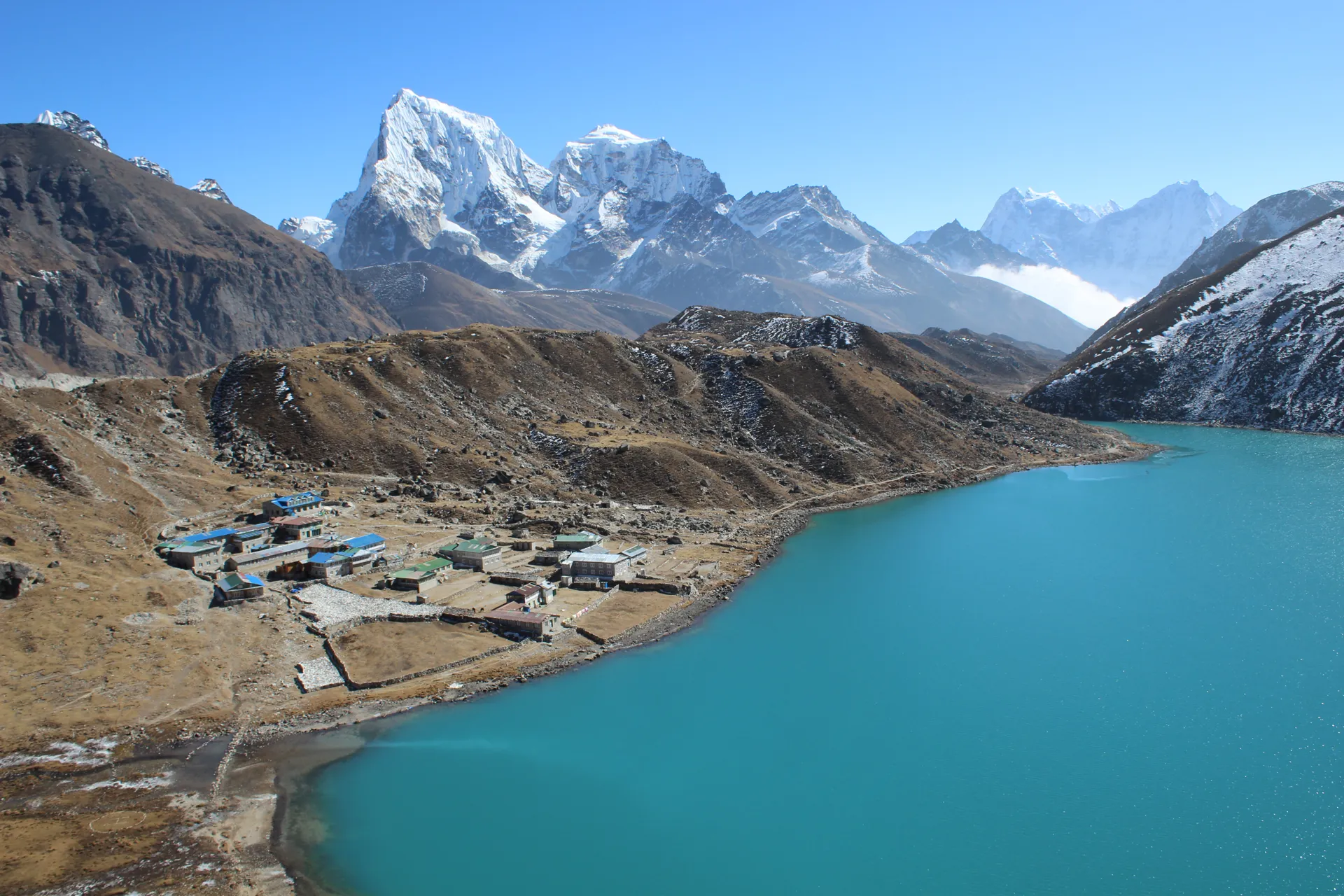
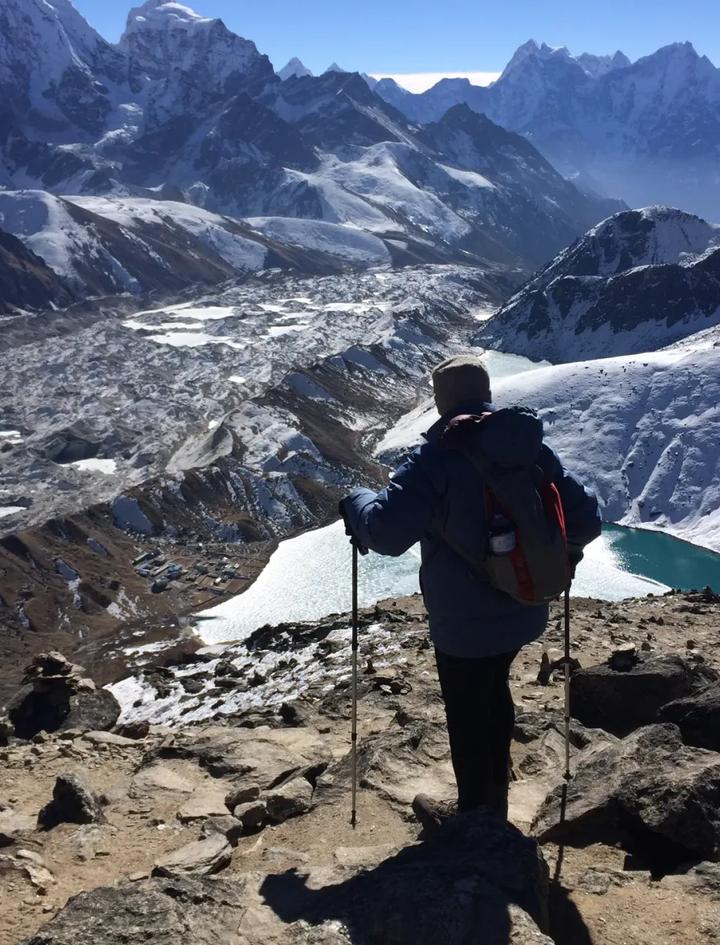
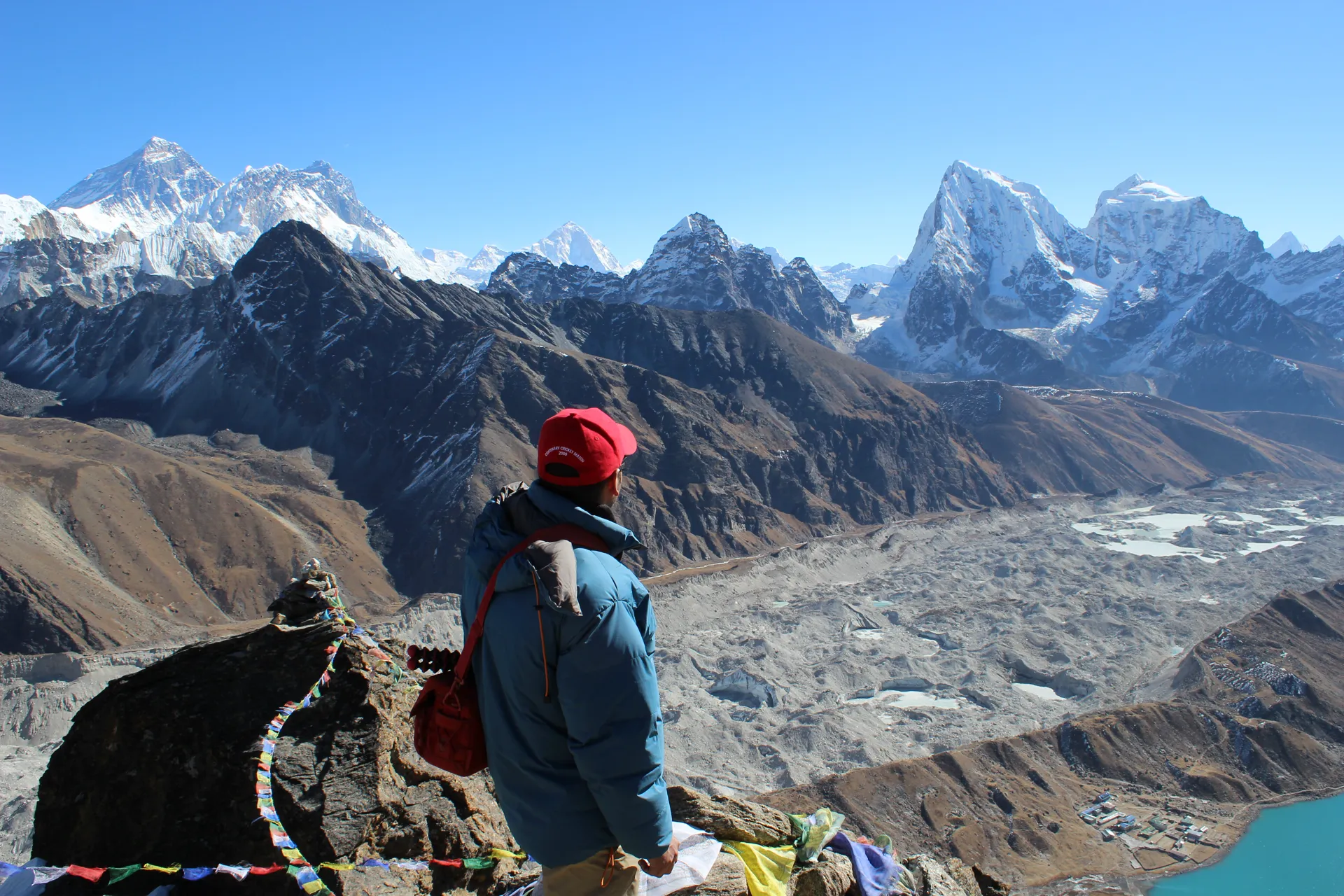
The first half of this trek is where January bites. Dole on day 6 is the first of nine nights above 4,000m, and Machhermo, Gokyo and Thangnak follow before the pass. A research mooring at the fourth Gokyo lake, Thonak Tso, recorded ice forming in mid-December in the 2018 to 2019 season, and the surface did not begin to warm until early April. A Nepali Times writer who walked to Gokyo in January 2009 found the second lake frozen but thawed at its edges, and heard the ice groan and crack when wind crossed it.
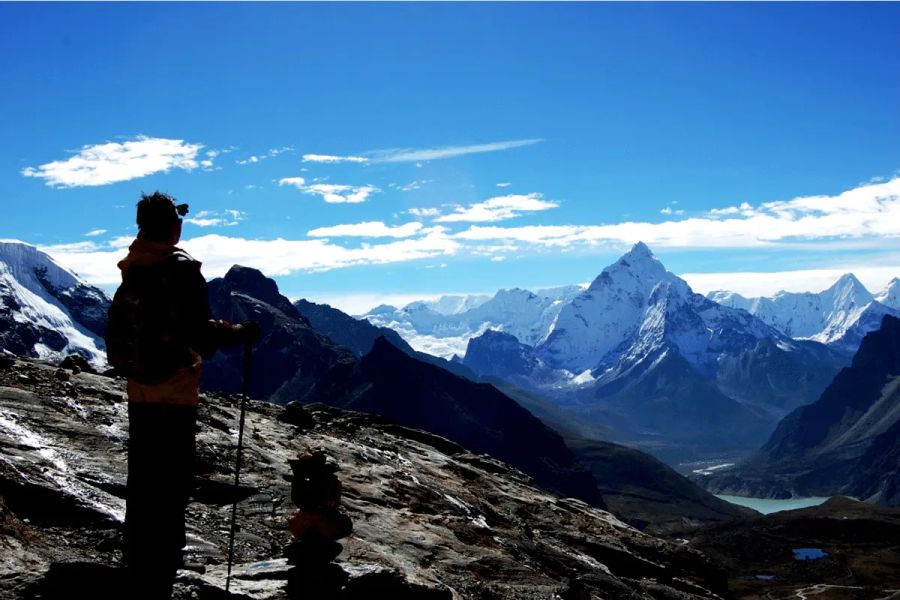
Day 10 is a short walk of about 3 hours to Thangnak at 4,700m, and the evening there is the real decision point. Day 11 is the crossing, about 7 hours to Dzongla at 4,800m: a steep climb on loose rock, a short glacier stretch, then the descent. Operators report snow and ice on the trail in January, February and early March. In 2017 the Himalayan Times quoted two tourism entrepreneurs saying there was no trace of the trail on the snowfield after snowfall. Our tour notes recommend microspikes for the glacier.
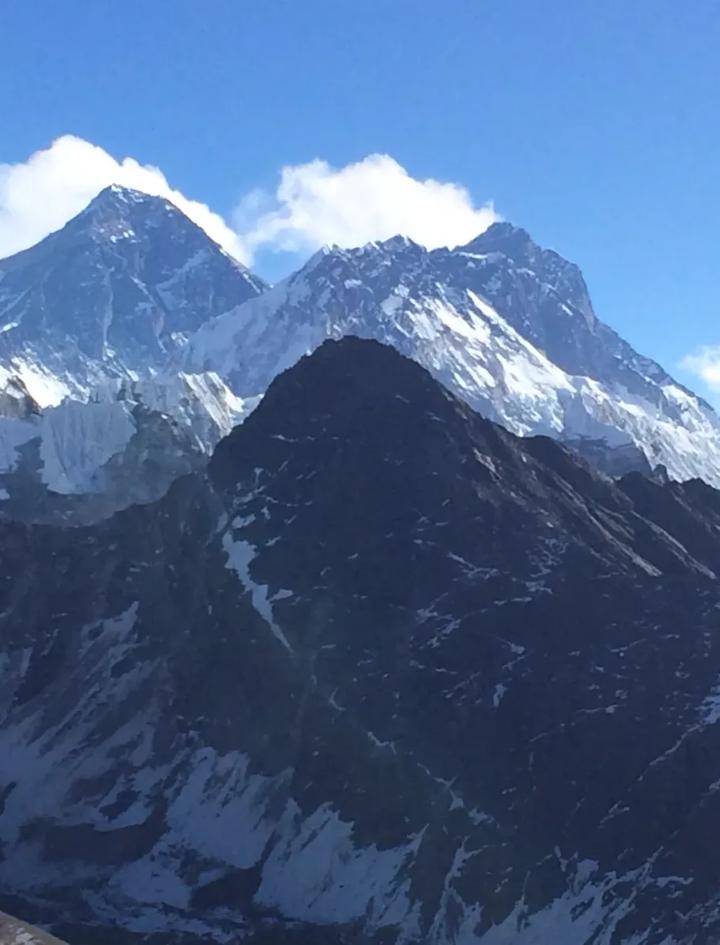
Past Dzongla the trail joins the main Everest route. Lobuche takes about 3 hours on day 12, Everest Base Camp and Gorak Shep fill day 13 at about 8 hours, and day 14 is Kala Patthar and a 7 hour descent to Pheriche at 4,200m. A trekker who walked the upper valley in December 2017 put the early morning at Kala Patthar at about minus 15 with strong gusting wind, an estimate and not an instrument reading.