Best Time · Gokyo Cho La Pass

Gokyo Cho La Pass Trek in February

Tough seasonStill iced and cold, and the pass still decided at Thangnak, not on paper
6°C
Daytimeat Namche Bazaar
-14°C
Overnightat Dingboche (modelled)
20 mm
Rain / Snowprecipitation at Namche Bazaar
Quiet
Trail Trafficvisibility very good
Gokyo Cho La Pass, the year at a glance

February keeps January's character on this route. The lakes stay iced, Namche's mean night minimum rises from minus 9 to minus 7, and the pass can still be covered or closed by snow. Operators name winter as the season when the Cho La turns risky. The day table has one spare day at the end and none near the pass, so a February schedule needs slack built in at home.

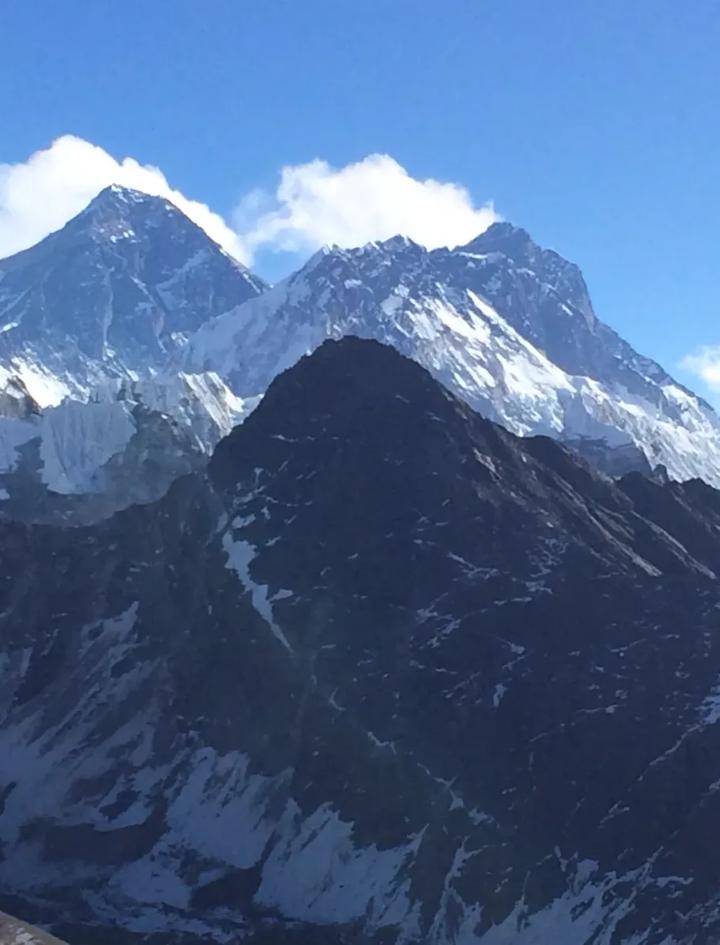
Close-up of Everest and Nuptse summits with cloud wisps from Gokyo Ri
Weather by altitude

February temperatures, valley to high camp

WaypointElevation Day Night
Lukla (station)2,786m9°C-2°C
Namche Bazaar3,450m6°C-7°C
Dingboche (modelled)4,410m2°C-14°C

February is a degree or two kinder than January on paper. Namche's mean minimum moves from minus 9 to minus 7, and its precipitation falls from 43 mm to 20 mm, which is the lowest of the winter months in that series. The modelled Dingboche night is still minus 14. The same reading rules apply: day is the mean daily maximum, night the mean daily minimum, Lukla and Namche are station series, Dingboche is modelled, and the temperature of Gokyo itself is not quoted.

On the trail

Trail conditions in February

The lakes do not change between January and February. The research record at Thonak Tso, the fourth Gokyo lake, shows no warming of the surface until early April, so a February visitor meets the same ice as a January one. Day 9, the Gokyo Ri climb of about 5 hours round trip, is the day that earns the view. Our tour notes put four of the six highest mountains on Earth in a single panorama from the top.

The pass is the open question. The Nepal Trekking Routes season guide says snow and ice can make the Cho La risky or force its closure in winter, and Heaven Himalaya says it can become difficult or even blocked. One operator, Himalayan Glacier, describes the decision as Plan A, cross, and Plan B, turn back, made by the guides on the day. For this direction that means the call is made at Thangnak on the evening of day 10, with Dzongla, Lobuche and the Gorak Shep day all still ahead.

If Plan B is chosen, the back-up is the walk down the Gokyo valley toward Namche, and the shape of the remaining days changes. The day table has no spare day between Thangnak and Pheriche, so how a turn-back is absorbed is a conversation to have before booking a February departure.
Crowds & teahouses

Who else is up there

Late winter is quiet but not empty. The chief of Sagarmatha National Park told Setopati that 3,244 foreign visitors entered the Khumbu from 13 February to 14 March 2018, the highest of three years he compared. That window runs into early spring, so treat it as the upper bound of February, not a typical count.

On the Gokyo side the lodges are the constraint. The 2009 Nepali Times account of a January walk found lodge-keepers' families gone south for the winter, and a February arrival can find the same. Confirm the lodges before you commit.

Getting in & out

Flights, roads and logistics

February flights leave from Kathmandu under our flight notice. The airline decides the schedule from the traveller volume of the month, and the notice says plainly that delays and cancellations are beyond our control. The tour notes ask for an extra one or two days in any Everest schedule.

A Responsible Adventures trekker in December 2017 met fog delays on the way out and wind delays on the way back. Winter mornings in Kathmandu and Lukla can do either. The only built-in slack is day 18, so a missed flight on day 17 uses it, and a second missed flight reaches the international departure on day 19.

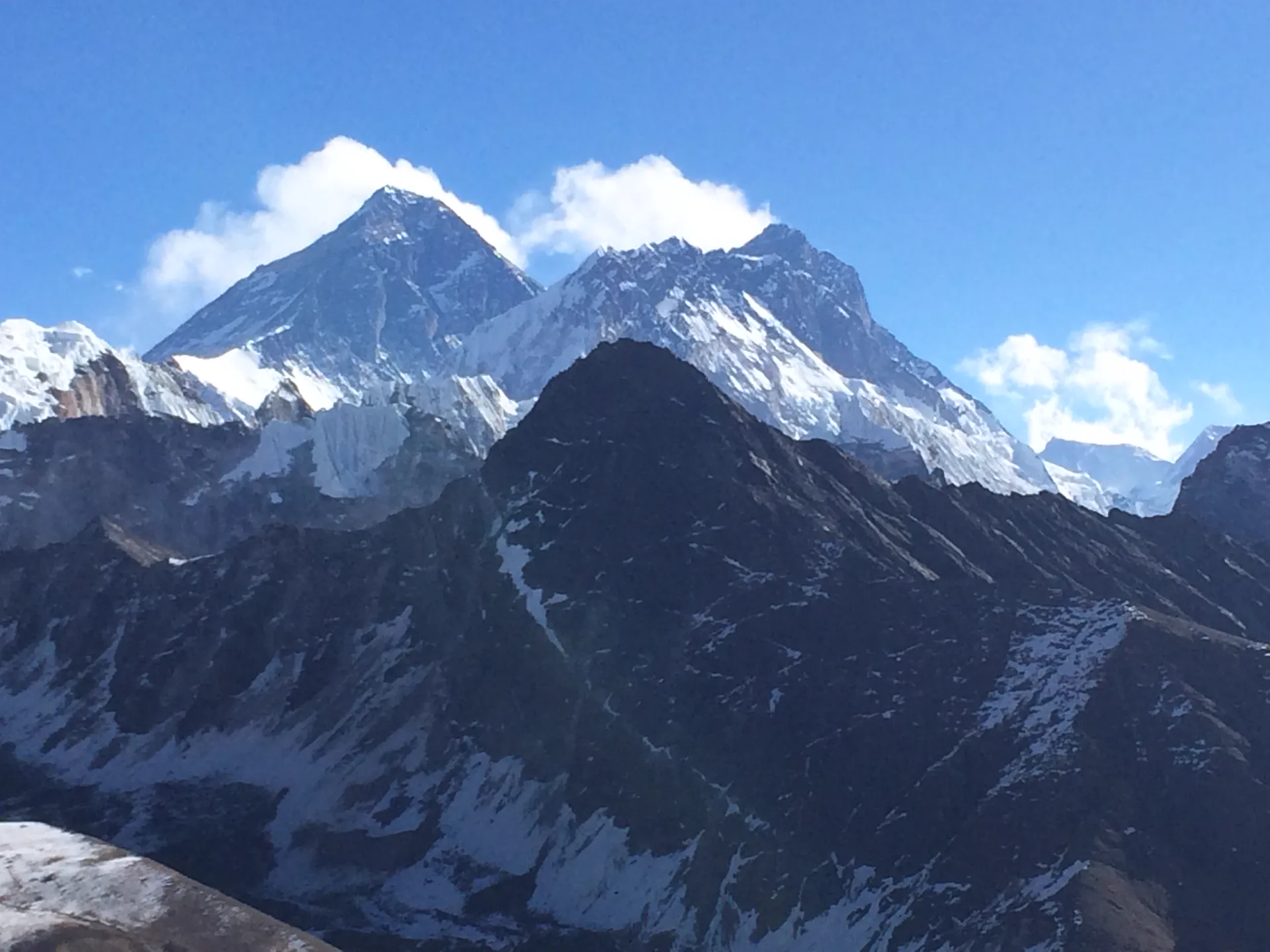
Wide view of Everest and Lhotse with dark foreground ridge from Gokyo Ri
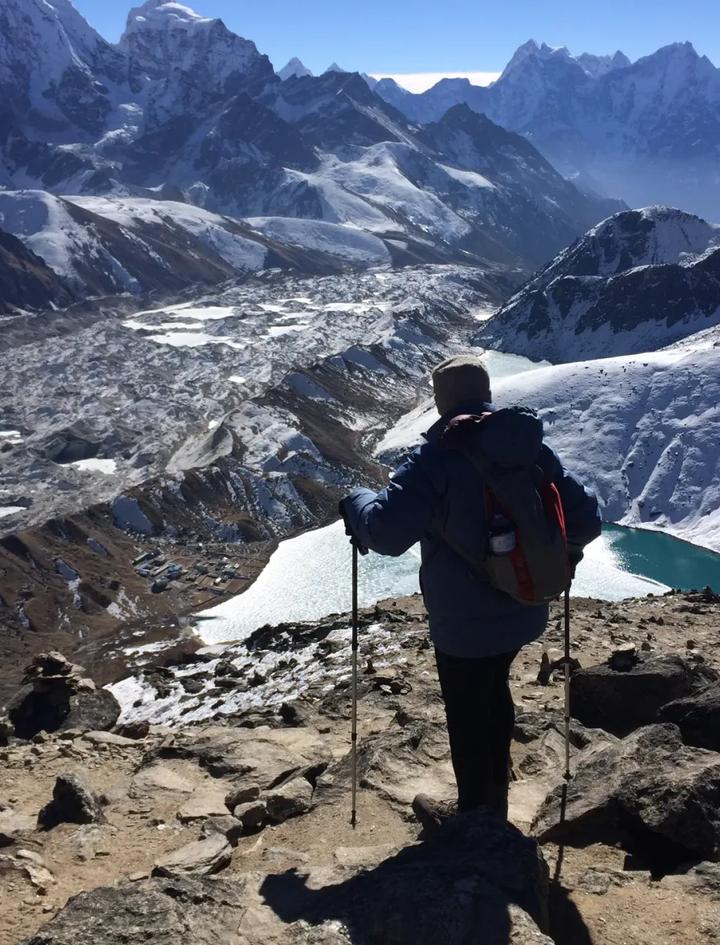
Panorama of Ngozumpa Glacier, frozen lakes, and peaks from Gokyo Ri summit
Pack for February

What changes this month

Frequently asked

February questions

Nepal trekking season 2026

Some mountains
don't wait

Permits close. Weather windows narrow. The best Everest region teahouse beds fill by October, and spring season opens again in March. Our Kathmandu team is already booking for autumn. If you have been planning a trek, this is the window.

TAAN & NTB certified15 years on these trailsResponse within 2 hours