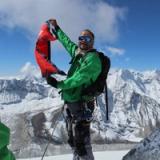
The Gokyo Lakes trek costs between USD 900 and USD 1,800 for most people in 2026. That range depends on whether you go independent with a mandatory guide or book an all-inclusive package, what gear you bring from home versus rent in Kathmandu, and how carefully you manage daily spending once you are above Namche Bazaar. This breakdown covers every line item so you can build an accurate budget before committing to anything.
The Gokyo route shares the same Lukla flight and national park permit as Everest Base Camp, and the first four days of trail are identical. The costs diverge at Namche, where you turn west toward the Ngozumpa glacier instead of east toward Tengboche. For the route itself and what to expect at each stop, the Gokyo Valley trek complete guide covers all of that separately.
Getting there: Lukla flights and transport
The Gokyo Lakes trek starts with a flight from Kathmandu to Lukla, the same flight every EBC trekker takes. The lukla flight cost 2026 sits at roughly USD 200-255 one way for foreign nationals, so USD 400-510 for the round trip. Tara Air and Summit Air both operate the route. The kathmandu to lukla flight price holds relatively steady through the year, but seat availability in peak season (October-November, April-May) gets tight. Book at least three weeks out.
During peak spring and autumn seasons, flights are rerouted through Ramechhap's Manthali Airport. The ramechhap to lukla flight cost runs about USD 175 one way, but you need to add the kathmandu to ramechhap transport cost of roughly USD 20-30 for a shared jeep and a 4-hour predawn drive. The lukla flight ticket price round trip from Ramechhap ends up around USD 370-410 all in, slightly less than the direct Kathmandu route.
A helicopter to gokyo cost runs USD 400-500 per person one way in a shared charter, or USD 2,500-4,000 for a private charter. The helicopter lands at Namche Bazaar, not Gokyo itself, so you still trek from there. The domestic flight cost everest region is the single biggest fixed expense on this trek regardless of how you budget the rest.
If your Lukla flight gets cancelled due to weather, the airline rebooks at no charge. But you lose a day. Sometimes two. The lukla flight delay extra cost days include an extra night in Kathmandu (USD 15-40 for a guesthouse in Thamel) and meals. Some trekkers budget an extra night in Kathmandu specifically for this possibility. Worth doing.
Airport transfers in Kathmandu cost USD 10-25. A pre-trek night in Thamel runs USD 15-40 for budget, USD 50-100 for mid-range with breakfast included.
Permits and entry fees
Three permits are required for the Gokyo Lakes trek, and the gokyo trek permit cost totals about USD 48-56 depending on your TIMS card category.
The sagarmatha national park permit cost is NPR 3,000 (~USD 24 including 13% VAT). This is the same national park entry fee everest nepal charges for EBC, Three Passes, and every other trek in the Khumbu. SAARC nationals pay a reduced rate of NPR 1,500.
The khumbu pasang lhamu rural municipality permit fee is NPR 2,000 (~USD 16). This local area permit khumbu cost was introduced after the old system was restructured and goes directly to the local municipality.
A TIMS card is also required for the Everest region in 2026. The rate is NPR 1,000 for group trekkers (those with an agency) and NPR 2,000 for individual trekkers. The nepal trekking permit cost 2026 structure has not changed from 2025.
The total permit cost gokyo trek comes to roughly NPR 6,000-7,000 (USD 48-56). That is cheaper than Manaslu (which requires a restricted area permit at USD 100+) and roughly equal to Annapurna. The gokyo ri trek permit requirements are identical whether you summit Gokyo Ri or stay at the lakes, since the viewpoint is inside the same national park boundary.
If you book through an agency, the everest region trekking permit price is bundled into the package. Mountain Hawk Trek's USD 1,775 package includes all three permits.
On the trail: food and accommodation
This is where budgets split, because prices rise with altitude. The teahouse prices everest region follow a predictable pattern: every 500m of elevation gain adds roughly 30-50% to your food and lodging bill.
Lukla to Namche (2,860m-3,440m). Teahouse rooms cost NPR 500-800 per night. The accommodation cost namche bazaar is slightly higher at NPR 800-1,200 for rooms with attached bathrooms. Namche has the best amenities on the entire route: heated dining rooms, bakeries that sell actual croissants, and one place that does a passable espresso. Dal bhat runs NPR 400-500. A full day of meals costs roughly USD 12-18. The teahouse price by altitude everest is at its lowest here.
Namche to Machhermo (3,440m-4,470m). Rooms climb to NPR 800-1,200 per night through the middle villages of Phortse Thanga, Dole (4,200m), and Machhermo (4,470m). The dal bhat price everest trek increases to NPR 600-700. Daily food cost everest trek per day in this zone sits around USD 20-30. The trail is quieter than the EBC side. At Dole, there are four lodges and a single gompa. The teahouse at Machhermo has a wood stove in the dining room that costs NPR 100 per person to use, which everyone pays because the alternative is watching your breath while you eat.
Gokyo (4,790m). The lodge price gokyo village runs NPR 1,000-1,500 per night. There are about six lodges at Gokyo, and during peak season they fill up. Food prices jump: dal bhat is NPR 800-900, fried rice NPR 700-800, a pot of black tea NPR 200. The cost of meals at high altitude nepal reflects real supply costs. Everything above Namche arrives by yak train or porter. A single yak load costs the lodge owner NPR 8,000-12,000 from Namche to Gokyo, which is why a plate of rice costs more at 4,790m than a full dinner does at sea level. The gokyo teahouse cost per night is roughly double what you pay at Lukla, and the rooms are half as warm.
Over a 15-day trek, total food and accommodation runs USD 350-600. The higher end covers trekkers who eat three hot meals a day, take hot showers regularly, and stay in the better rooms at each stop. The lower end requires eating dal bhat twice daily and keeping extras to a minimum.
Guide and porter
Nepal requires a licensed guide for all trekkers in Sagarmatha National Park. Independent trekking without a guide is no longer permitted on the Gokyo route or anywhere else in the Khumbu.
The guide cost per day nepal trekking in the Everest region is USD 30-35. Over a 15-day Gokyo trek, that is USD 450-525. The porter cost per day everest region is USD 20-25, totalling USD 300-375 for the full trek. The cost of hiring guide and porter everest combined runs USD 750-900 for 15 days.
If you hire porter gokyo trek through an agency, the rates are typically bundled. A private guide cost everest region runs higher at USD 40-50 per day for solo trekkers who want exclusive attention. The porter carrying weight limit nepal is 20-25kg, and most trekkers share one porter between two people to split costs.
What does a guide actually do on the Gokyo route? The trail from Namche to Dole splits at Phortse Thanga, and the upper path through Phortse village is worth taking but poorly marked in places. Your guide knows which teahouse at Machhermo has the best food (Namaste Lodge, if nothing has changed since last season), when to push for Gokyo Ri at 4am to catch the sunrise, and how to read the weather for Cho La Pass if you are doing the combined route. At altitude, they monitor you for symptoms you might not notice yourself.
Tipping: the standard is USD 10-15 per day for a guide, USD 8-10 per day for a porter. How much to tip guide nepal over a 15-day trek totals roughly USD 150-225. How much to tip porter everest trek totals USD 120-150. Tips are given as a lump sum at the end of the trek, pooled if you have a team.
Gear: buy, rent, or bring
Thamel in Kathmandu has a dense market of rental shops and secondhand gear. The trekking gear rental cost kathmandu is a fraction of buying new, and for a single trek the quality difference is minimal.
Down jacket rental price kathmandu: NPR 150-200 per day. For 15 days, that is NPR 2,250-3,000 (USD 17-23). Sleeping bag rental cost nepal (rated to -10C or below, which is what Gokyo at 4,790m demands): NPR 150-200 per day, so NPR 2,250-3,000 for the full trek. Trekking pole rental cost kathmandu: NPR 50-100 per day per pair.
The gear rental shops thamel prices for a full kit (down jacket, sleeping bag, poles, gaiters) run NPR 4,000-7,000 for 15 days, roughly USD 30-50. Buy or rent trekking gear nepal? Rent. Unless you plan to trek again within the year, buying a -15C sleeping bag for a single trip is a poor trade.
If you are doing the combined Gokyo-Cho La-EBC route, the crampon rental cost gokyo cho la is NPR 200-300 per day. Cho La Pass at 5,420m occasionally has ice on the approach, and crampons or microspikes are a good idea between November and March.
The one item worth buying: boots. Properly broken-in, waterproof, above-ankle trekking boots. Everything else can be rented.
The costs nobody warns you about
These add up. On a 15-day trek, they can add USD 100-200 to your total without you noticing until you count the cash left in your money belt.
Hot showers. The hot shower cost trekking nepal runs NPR 300-500 per shower above Namche. Below Namche, many teahouses include them. Above Machhermo, the shower is often lukewarm at best regardless of what you pay. Some trekkers stop showering entirely above Dole and save NPR 3,000-4,000 over the trek. Nobody judges.
Wi-Fi. The wifi cost teahouse everest is NPR 300-600 per day above Namche. Some lodges charge per device. The connection is satellite-based and slow. It works for messaging. Video calls are unreliable above Phortse Thanga.
Charging. The battery charging cost trekking nepal runs NPR 200-400 per charge per device above Namche. Phone, camera battery, headlamp, power bank. Budget NPR 400-800 per day if you are charging everything. A solar panel strapped to your pack can eliminate this cost entirely, though it only works reliably in direct sun.
Water. This is the hidden costs trekking nepal line item that catches the most people. A 500ml plastic bottle costs NPR 150 near Lukla and NPR 400-500 at Gokyo. Over 15 days at two litres per day, that is NPR 9,000-15,000 in bottled water. A Sawyer squeeze filter or purification tablets cost NPR 1,500-3,000 upfront and cover the entire trek. The maths is obvious. Extra costs to budget for everest trek almost always include water if you did not bring a filter.
Snacks. Snickers bars and Pringles appear at every altitude. They cost about five times Kathmandu prices. A Mars bar at Gokyo is NPR 350. Budget NPR 200-500 per day for trail snacks if you rely on them.
Travel insurance. The travel insurance cost everest trek is USD 80-200 for a 2-3 week policy that covers trekking above 5,000m and helicopter evacuation. The cost of trekking insurance evacuation nepal by helicopter from Gokyo runs USD 5,000-10,000 without insurance. World Nomads, IMG Global, and True Traveller all offer policies rated for Gokyo Ri (5,357m). Check altitude limits in the fine print.
Three ways to budget it
The budget route: USD 900-1,200
The cheapest way to do gokyo trek is to bring your own gear, eat dal bhat at every meal, purify all water, and stay in basic rooms. The budget gokyo trek cost still includes a mandatory guide (USD 450-525 for 15 days), Lukla flights (USD 400-510), and permits (USD 48-56). That alone is roughly USD 900 before food and lodging. A realistic budget for 12 day gokyo trek on this model lands around USD 900-1,000. The total cost gokyo trek 14 days adds another USD 50-100 for the extra trail days. The gokyo trek cost for solo traveler is higher per person because guide fees are not shared.
The comfortable middle: USD 1,200-1,500
Guide and porter, mid-range teahouses, some gear rental in Thamel, reasonable daily spending on extras. A mid range gokyo trek package through a local agency lands here. The total cost gokyo trek 12 days in this bracket runs about USD 1,200-1,300. With 15 days and a few indulgences, USD 1,400-1,500.
A guided package: USD 1,775 with Mountain Hawk Trek
Our 15-day Gokyo Lakes trek package starts at USD 1,775 per person. The gokyo trek package inclusions exclusions break down like this: included are a licensed guide, round-trip Lukla flights, all permits, twin-share teahouse accommodation, and breakfast and dinner daily. Not included: travel insurance, personal gear, tips, lunch, and personal spending on wifi, charging, and snacks. The all inclusive gokyo trek package cost with Mountain Hawk Trek is a single number that covers the logistics. One number covers the logistics, and you spend zero time in permit queues or hunting for a guide in Thamel. A luxury gokyo lakes trek package price with upgraded lodges and helicopter transfers can run above USD 2,500, but that is a different market.
The gokyo trek cost guided vs independent gap is roughly USD 500-700. The guided option buys convenience and a pre-arranged itinerary. The independent option buys flexibility and lower cost, at the price of managing every detail yourself.
How Gokyo compares on cost
The gokyo trek cost vs everest base camp cost comparison is close. Both share the same Lukla flight, the same national park permit, and similar teahouse pricing. Which is cheaper ebc or gokyo? Gokyo edges it by a small margin. Fewer premium lodges along the route mean fewer opportunities to overspend, and lower trekker volume keeps pricing steadier during peak season. The cheapest trek in everest region is still the short Everest View trek (7 days, around USD 600-800 guided), but Gokyo is the most affordable everest region trek that reaches above 5,000m.
The gokyo trek vs annapurna base camp cost comparison tilts toward Annapurna. ABC does not require a Lukla flight (you drive to the trailhead from Pokhara), which saves USD 400-510 immediately. The gokyo trek vs langtang trek cost comparison is similar: Langtang starts with a bus ride from Kathmandu (USD 10-20), not a flight. The Langtang cost breakdown puts a guided 11-day trek at USD 775. The gokyo trek vs manaslu circuit cost comparison depends on permits: Manaslu requires a restricted area permit at USD 100 per week, which erases most savings from the cheaper Manaslu teahouse rates.
The gokyo lakes trek price compared to other treks lands in the mid-to-upper range for Nepal. The Lukla flight is what puts it there. Everything else on the trail, food, lodging, guide fees, is comparable to Annapurna or Langtang pricing. The budget trek nepal comparison cost always comes back to transport: bus treks are cheap, flight treks cost more. The gokyo trek cost vs poon hill trek cost gap is roughly USD 400-600, almost entirely explained by the Lukla flight.
The everest base camp gokyo cho la cost combined for the full circuit (Gokyo to Cho La Pass to EBC and back) runs USD 1,300-1,800 for a 16-17 day guided trek. The extra days add food, lodging, and crampon rental for the pass crossing.
Saving money without cutting corners
Purify your water. A filter or tablets save NPR 500-1,000 per day. Over 15 days above Namche, that is NPR 7,500-15,000 (USD 55-115). The how to save money on gokyo trek answer almost always starts here.
Eat dal bhat. It is the most filling meal on the menu, reasonably priced at every altitude, and most teahouses offer free refills on the rice and lentils. One large dal bhat replaces a separate lunch and afternoon snack.
Share a porter. A porter carries up to 25kg and charges per day, not per person. Two trekkers splitting one porter halve the per-person cost.
Trek in shoulder season. The gokyo trek cost off season discount is not a formal discount, but teahouse rates drop 20-30% in late September and early December versus peak October-November. The gokyo trek cost in october is the highest of the year. The gokyo trek cost in monsoon season is lowest, but rain and leeches below 3,000m make it a poor trade. A group discount gokyo trek package through an agency typically saves 10-15% for groups of four or more. The gokyo trek cost per person two people is slightly higher than for larger groups because guide fees are split fewer ways.
Book Lukla flights early. Prices do not change much, but availability does. Last-minute flights in October are hard to find.
Skip the helicopter. Unless you have a specific reason (injury, medical condition, severe time constraint), the Lukla flight gets the job done at a quarter of the helicopter cost.
A realistic 15-day guided Gokyo Lakes trek with Mountain Hawk Trek, including flights and permits, comes to USD 1,775. The Gokyo Ri sunrise summit is a day hike built into the itinerary, not an add-on. Beyond the package price, carry NPR 30,000-45,000 (USD 225-340) in cash for personal trail expenses: snacks, showers, charging, wifi, and the occasional beer. That works out to roughly USD 15-25 per day in extras.
Exchange currency in Kathmandu before you leave. The Thamel rate is fair. The exchange in Lukla and Namche is 5-10% worse. Carry Nepali rupees, not dollars. Teahouses rarely accept credit cards, and when they do the fees are steep. Namche Bazaar has two ATMs, but they run dry during peak October weeks. Keep NPR 5,000-10,000 above what you plan to spend as a buffer.
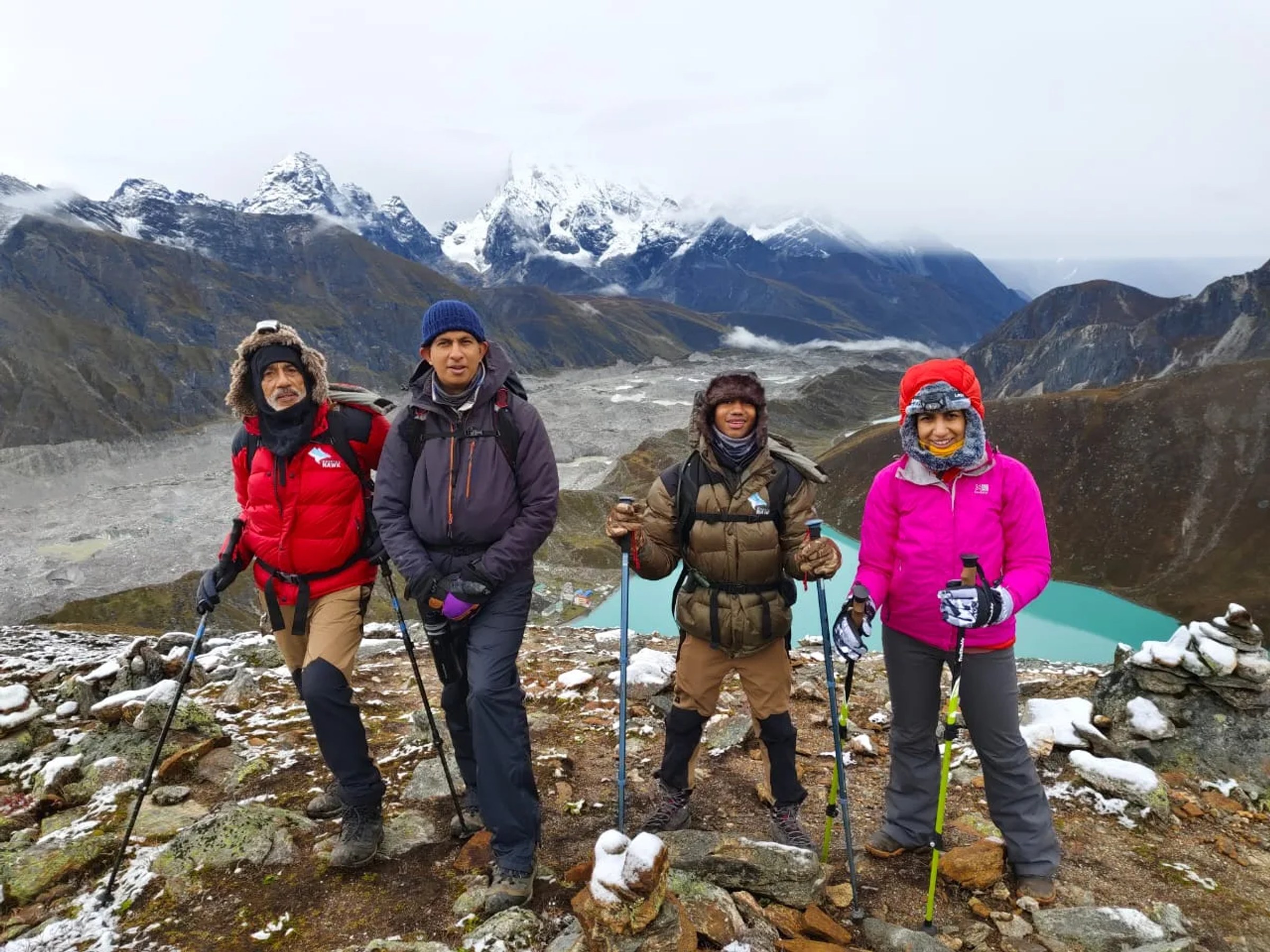
For a family of four, the per-person rate stays the same but shared porter costs bring the total down by 15-20%.
For the full route, the Gokyo Valley trek complete guide has the itinerary and altitude advice. If you are considering the combined route, the Gokyo Cho La Pass trek guide covers the pass crossing and connection to EBC. For a different budget entirely, the EBC cost breakdown has the line-by-line comparison.