14 years. Same mountains.
Long-form essays, gear tested at altitude, cultural dispatches from Nepal’s trekking corridors, and practical guides for every kind of traveler. Written by the people who walk these routes.
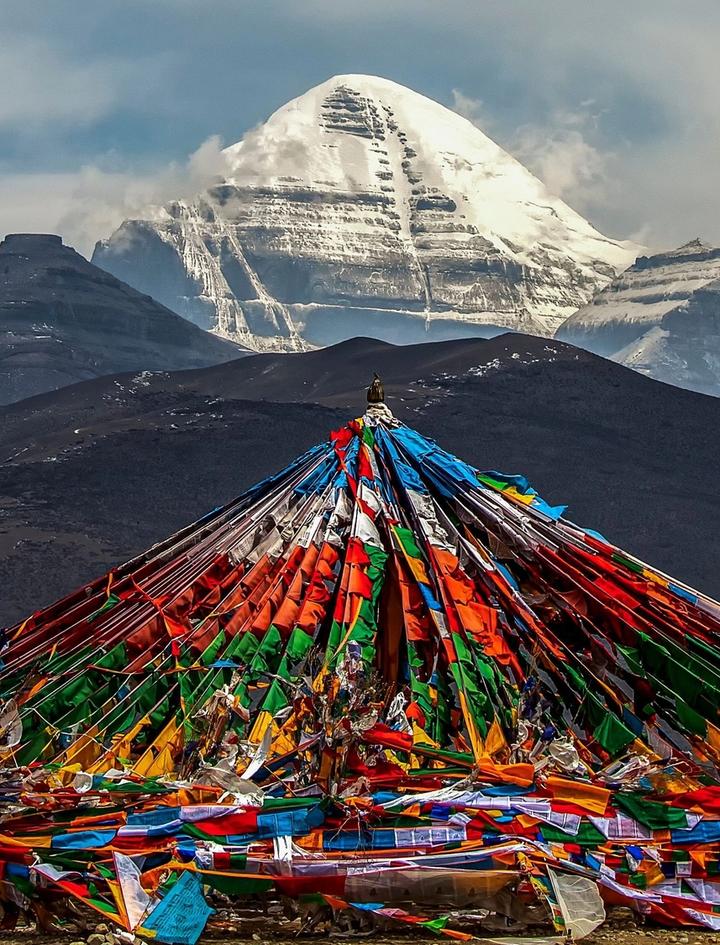
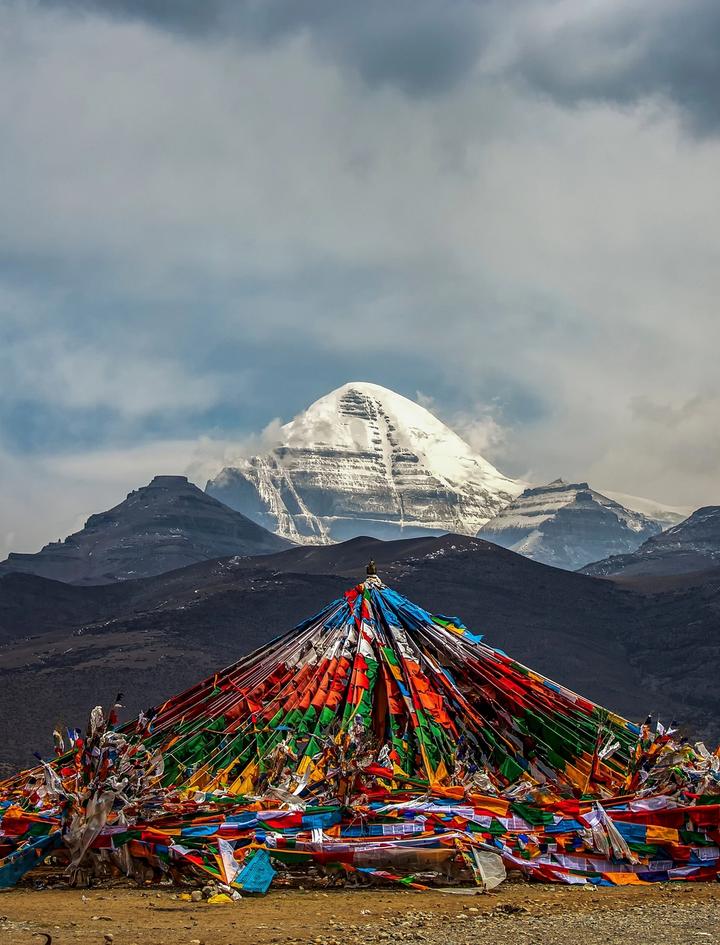
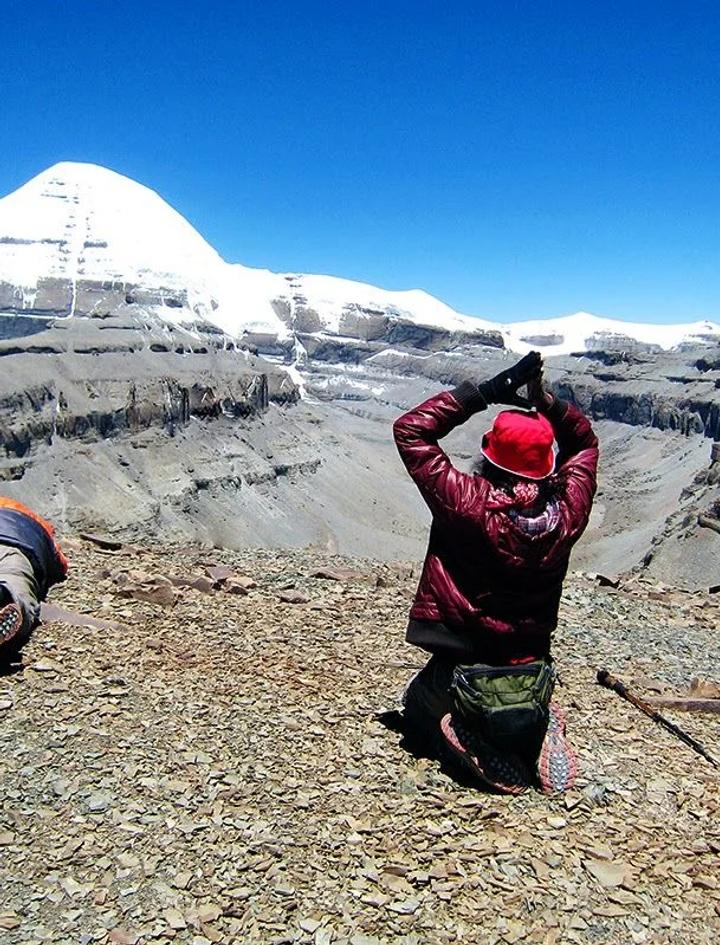
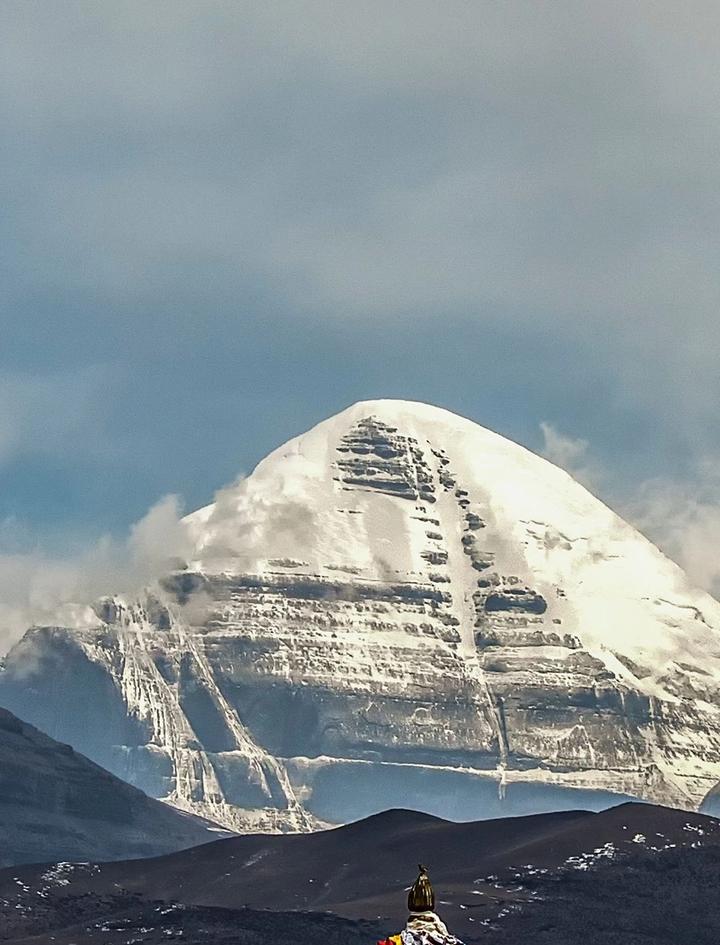
India's government Kailash Mansarovar Yatra runs a lottery for roughly 1,000 seats a year, a mandatory medical exam, and 21 to 22 days on the trail. The private route via Nepal has no lottery and gets pilgrims to Kailash in 10 to 15 days, for a price that comes with its own paperwork to get right.
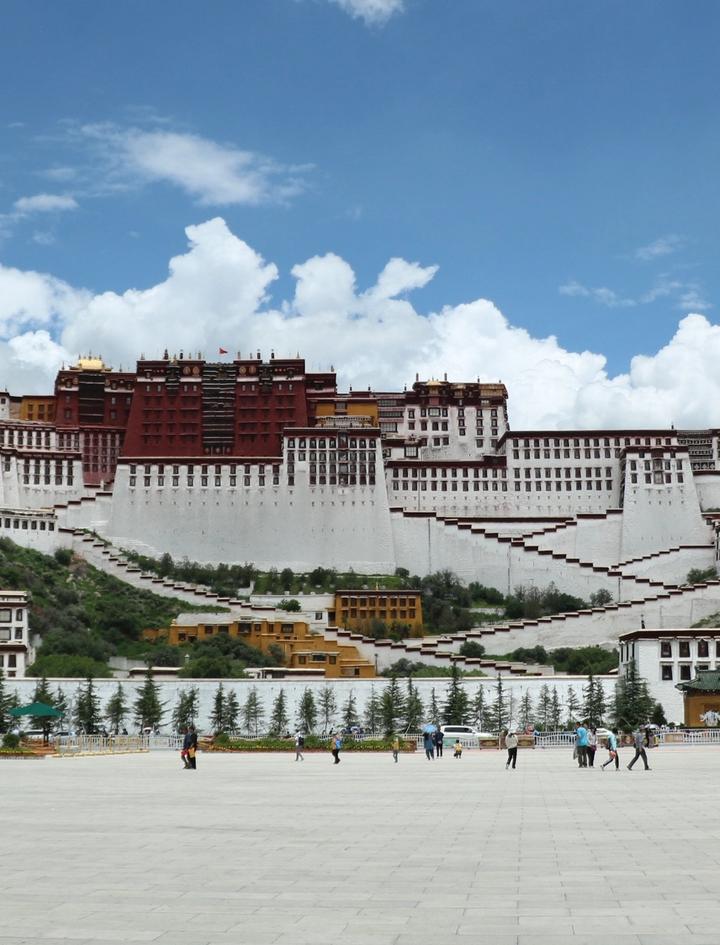
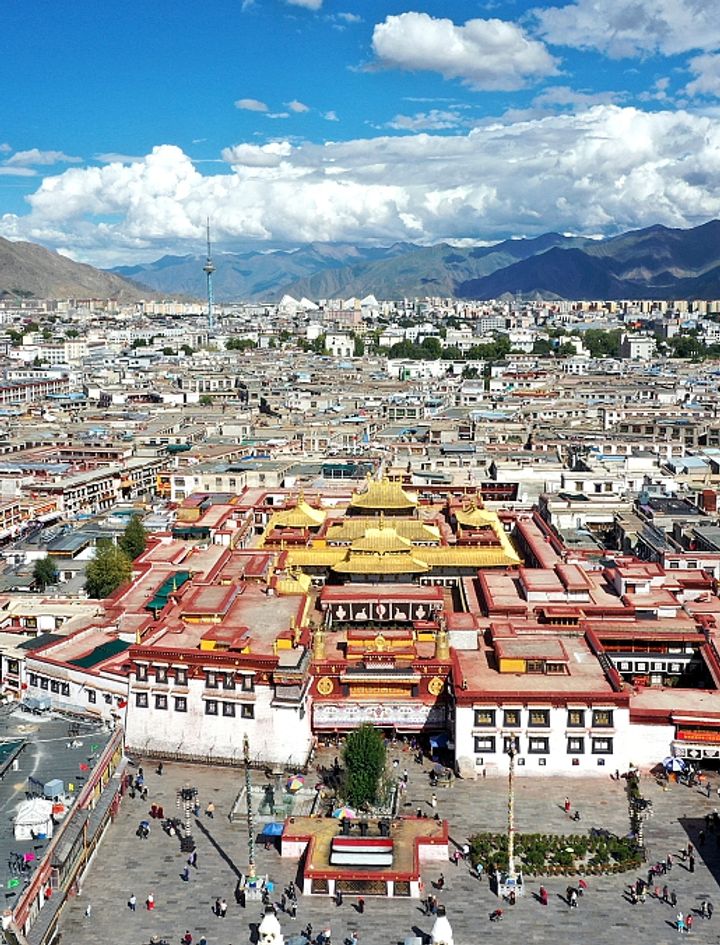
A Lhasa tour from Kathmandu runs $900 to $1,975 across our three tour packages, and the flight is priced separately on two of them. Here is what the flight costs, what each package includes, and what a day in Lhasa costs beyond it.
Tibet's own permit is free. Getting there from Nepal still means a China Group Visa, an Alien's Travel Permit, and sometimes a military permit, none of which you can apply for yourself. Here is what each one costs and how long each takes.
Kailash Mansarovar Yatra season runs May to September. September brings the clearest skies and the thinnest crowds; May 2026 carries Saga Dawa's full moon inside the rare Fire Horse Year. Here is what changes month by month, and which one fits your trip.
The Kailash Mansarovar Yatra costs $1,975 for the 10 day overland route from Kathmandu, or $2,800 for the 15 day tour via Lhasa. Here is the full 2026 cost breakdown, from the Tibet group visa to pony hire on the kora.
Both of Mountain Hawk Trek's Kailash Mansarovar departures are rated Strenuous. The real difficulty is not technical, it is the 52km kora and the Dolma La Pass at 5,630m. Here is what that demands, and who should think twice.
What the pre-dawn climb to Gokyo Ri actually involves: when to leave, how long it takes and why that number moves, the cold at the top, and what to do instead if you skip it.
The 19-day Island Peak package with Everest Base Camp costs USD 2,175 per person, permits included, and the 16-day direct route is USD 1,975. This breakdown prices both line by line and corrects an NMA permit fee that every competitor page checked still gets wrong.
Mera Peak is Nepal's highest trekking peak, and a non-technical one. The real difficulty is altitude and a 10 to 14 hour summit day, not rope work. Here is what separates it from Island Peak, and who it suits.